Actor
Yutaka Nakajima
7 films on Movie OTT · Active 1974–1981
Yutaka Nakajima was born on October 5, 1952, in Mito, Ibaraki Prefecture, Japan, and came of age as an actor during one of the most kinetic periods in Japanese genre cinema. He's best known to international audiences through his association with the martial arts and action films that defined Japanese exploitation cinema in the early-to-mid 1970s — a moment when studios were cranking out hard-edged, fast-moving pictures that didn't apologize for what they were.
About Yutaka Nakajima
Yutaka Nakajima was born on October 5, 1952, in Mito, Ibaraki Prefecture, Japan, and came of age as an actor during one of the most kinetic periods in Japanese genre cinema. He's best known to international audiences through his association with the martial arts and action films that defined Japanese exploitation cinema in the early-to-mid 1970s — a moment when studios were cranking out hard-edged, fast-moving pictures that didn't apologize for what they were.
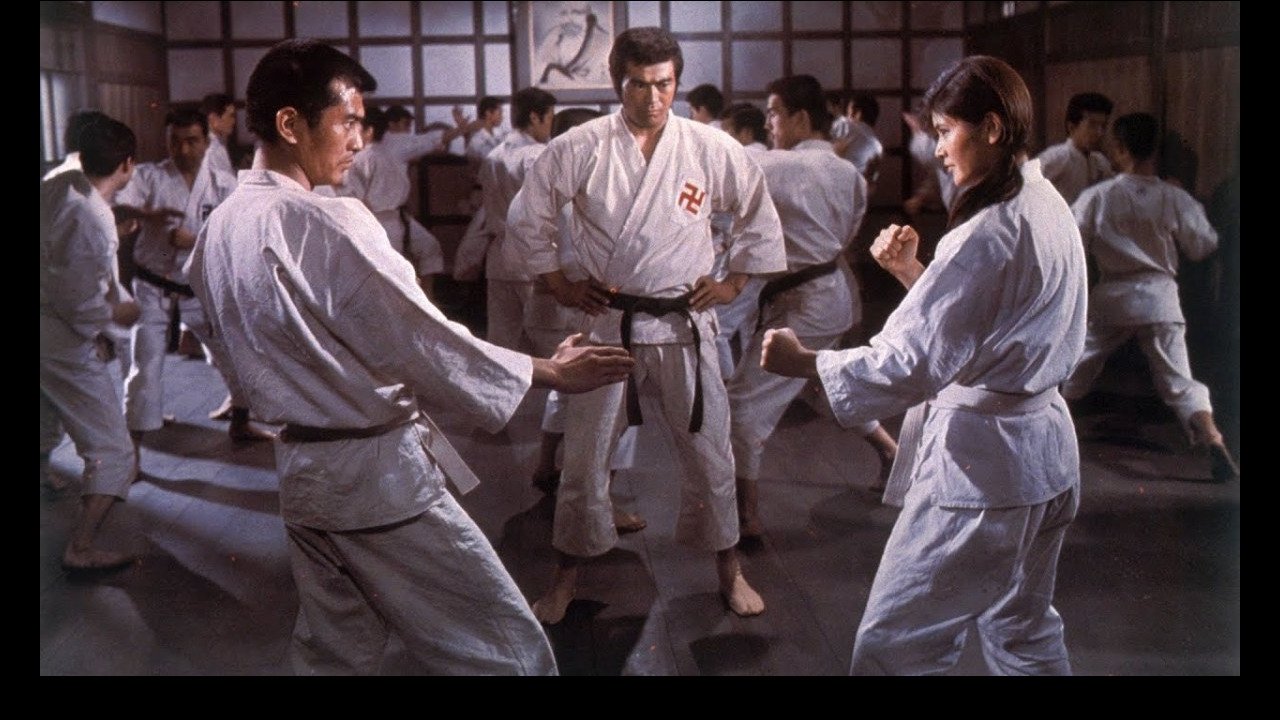
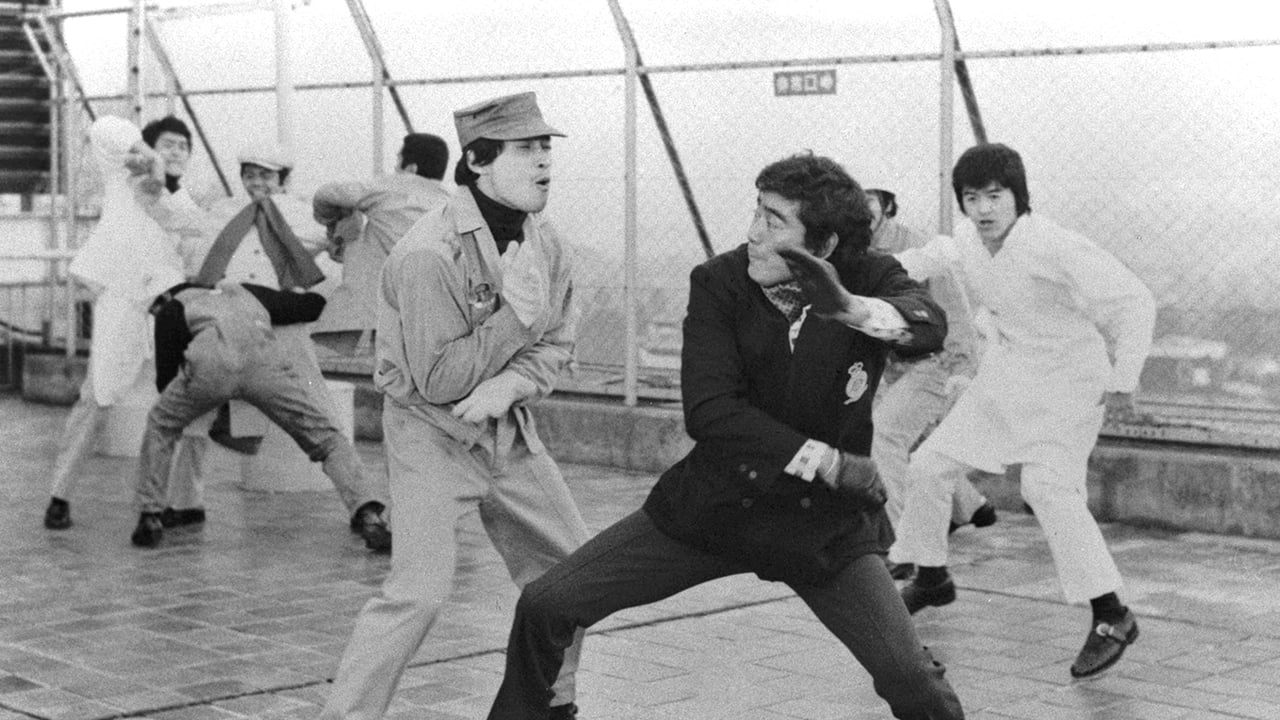
The film that put Nakajima on the map for audiences outside Japan is The Street Fighter (1974), the Shigehiro Ozawa-directed action vehicle starring Sonny Chiba that became something of a watershed for Japanese martial arts cinema internationally. That's the one that matters here. Chiba's performance as Takuma Tsurugi was so brutal that the film reportedly became the first to receive an X rating from the MPAA solely for violence — not content most studios were angling for, but it turned The Street Fighter into something audiences genuinely hadn't seen before. Nakajima appeared in the film during a period when ensemble casts of supporting and background players were drawn from a pool of actors who had trained in physical performance and could hold their own in the choreographed fight sequences that the production demanded. Hard to say if every actor in that film fully understood what they were making at the time, but the finished product has outlasted almost everything else from that year.
What's striking is how much The Street Fighter functions as a time capsule — not just of 1970s Japanese action filmmaking, but of a particular physical vocabulary that actors like Nakajima embodied simply by showing up and doing the work. The thing nobody mentions is that films like this required a different kind of commitment from supporting players than prestige productions did. You weren't delivering monologues. You were moving, reacting, absorbing punishment on camera, and making the star look dangerous. That's a craft with its own demands, and the actors who populated these films — often cycling through multiple productions in a single year — developed a fluency in action filmmaking that was genuinely hard-won.
Nakajima's career sits within the broader Toei Company ecosystem that produced much of Japan's genre output during this era, a studio system that ran on efficiency and volume and occasionally produced something that crossed over into international distribution the way The Street Fighter did. Collaborators in this world tended to recur — directors, choreographers, and actors moved through the same productions in rotating configurations, which gave the films a consistency of tone even when the scripts varied wildly. Whether Nakajima worked repeatedly with Ozawa or other Toei-affiliated directors across this period, the filmography points toward someone who was a working part of that machine rather than an outlier within it.
Recent database records for Nakajima remain thin beyond the 1974 credit, which isn't unusual for actors whose primary output came during an era when Japanese genre films weren't comprehensively catalogued for Western audiences. The Street Fighter, though, has seen renewed attention — it was among the titles that Quentin Tarantino famously championed as an influence, and its reputation has only grown since its initial release. For anyone landing on this page because they've just watched that film and want to know more about the people in it, that's the context worth holding onto: a 1952-born actor from Ibaraki Prefecture who was present at the creation of something that would eventually be recognized as a genuine landmark of the form.
Currently streaming
1 of 7 on platforms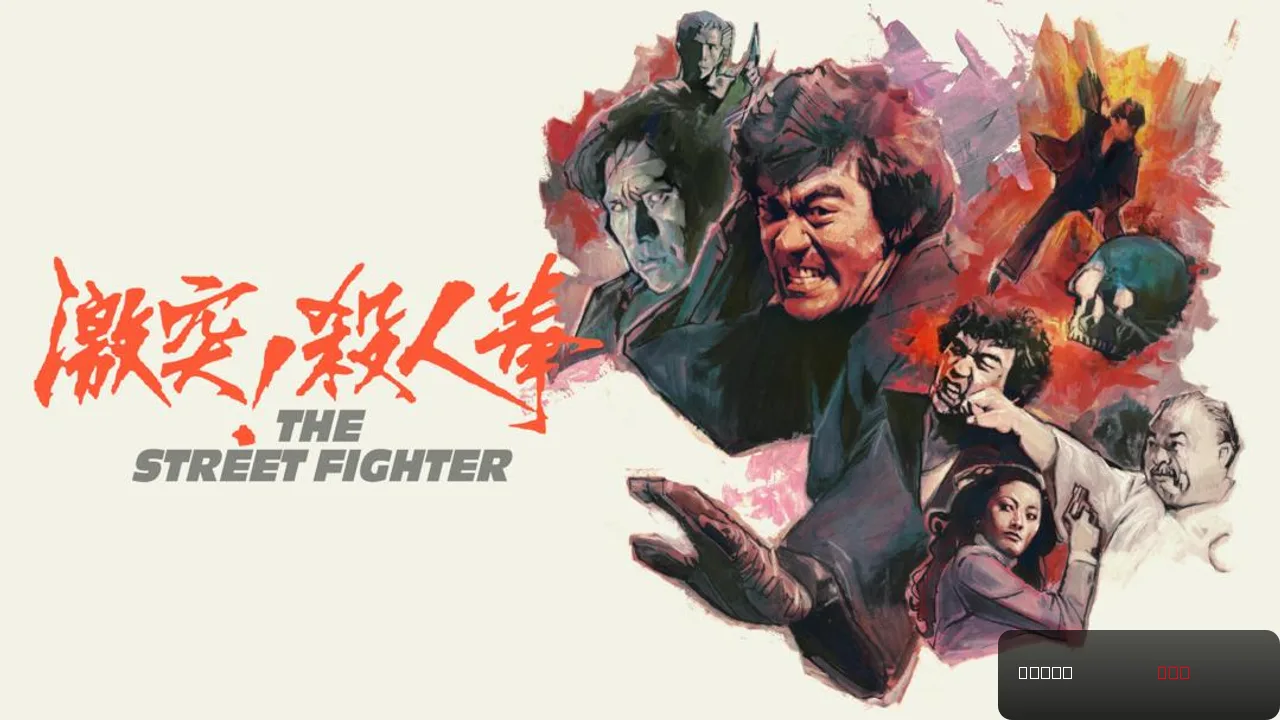
Filmography

Frequently asked questions
When and where was Yutaka Nakajima born?
Yutaka Nakajima was born 1952-10-05 in Mito, Ibaraki Prefecture, Japan.
What films is Yutaka Nakajima known for?
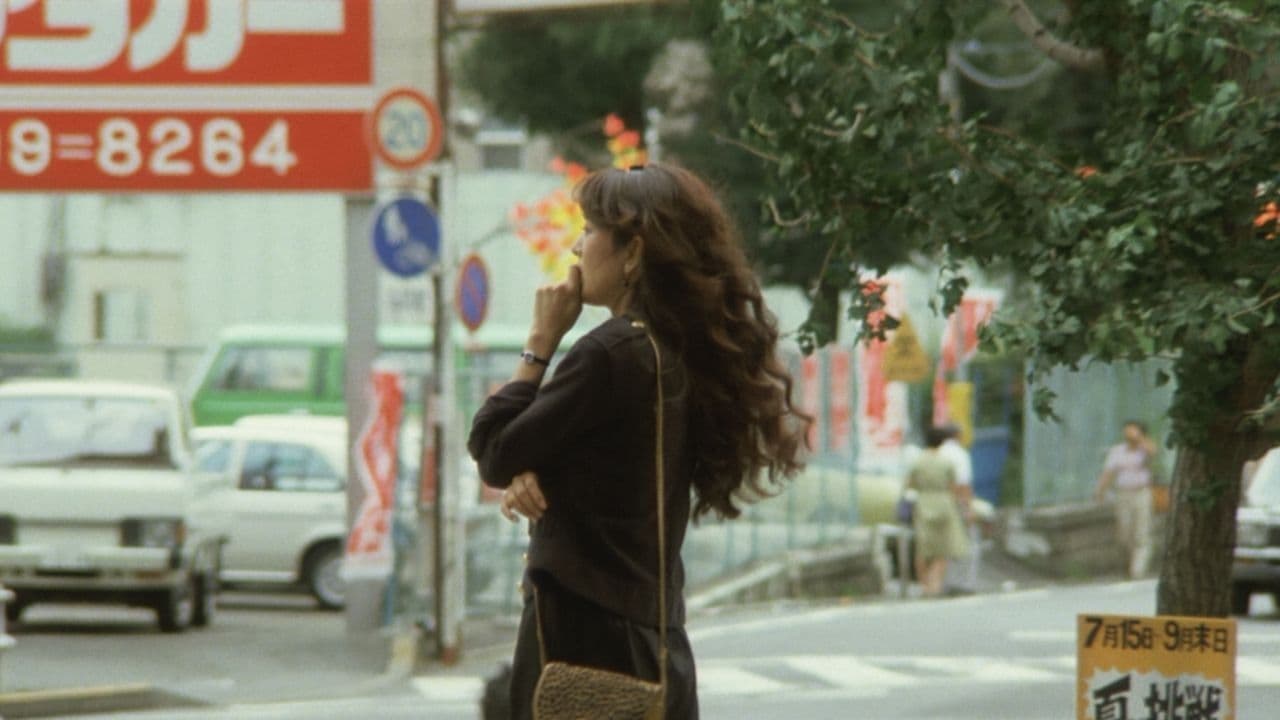
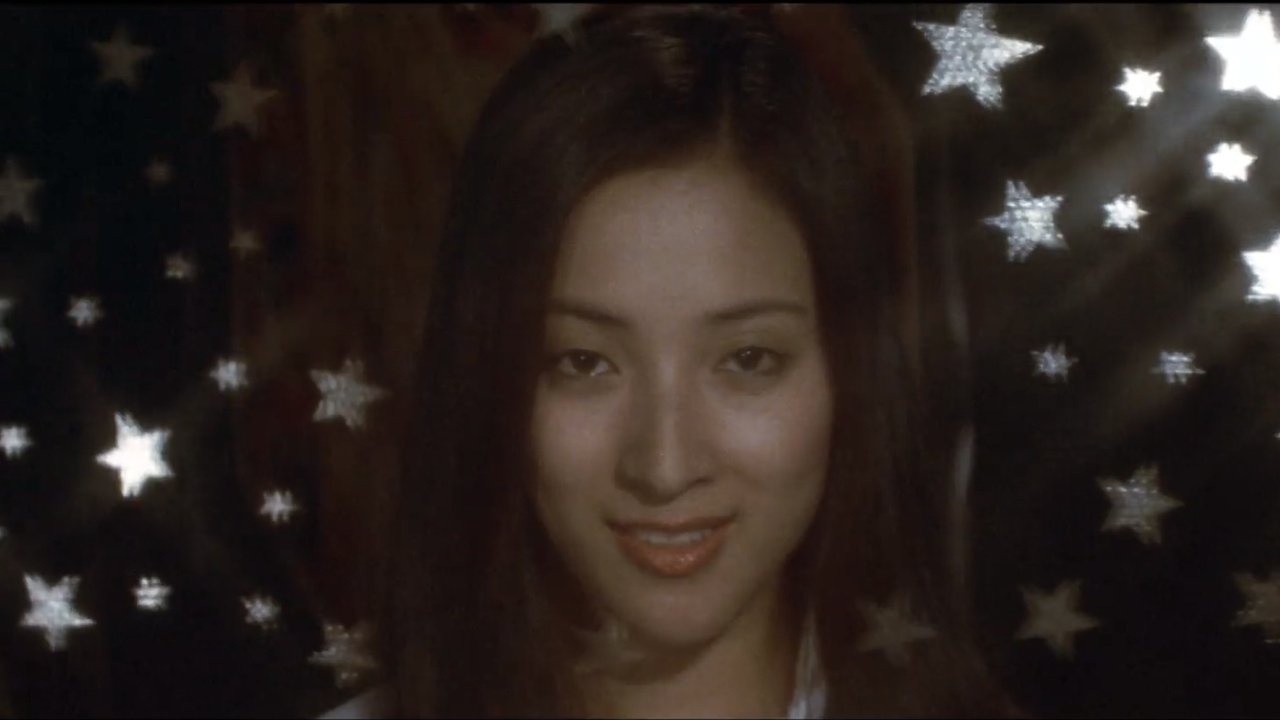
Yutaka Nakajima has 7 titles indexed on Movie OTT, including Call from Darkness, Island of the Evil Spirits, Truck Rascals: No One Can Stop Me.
Where can I watch Yutaka Nakajima's films?
1 of Yutaka Nakajima's films are currently streaming, available on Prime Video.
How long has Yutaka Nakajima been active?
Yutaka Nakajima's film career on Movie OTT spans from 1974 to 1981 — 7 years of work.