




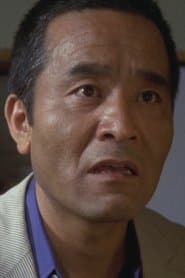
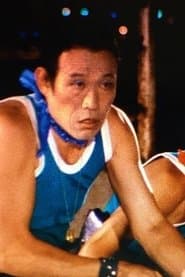

The story of Secret Chronicle: She Beast Market
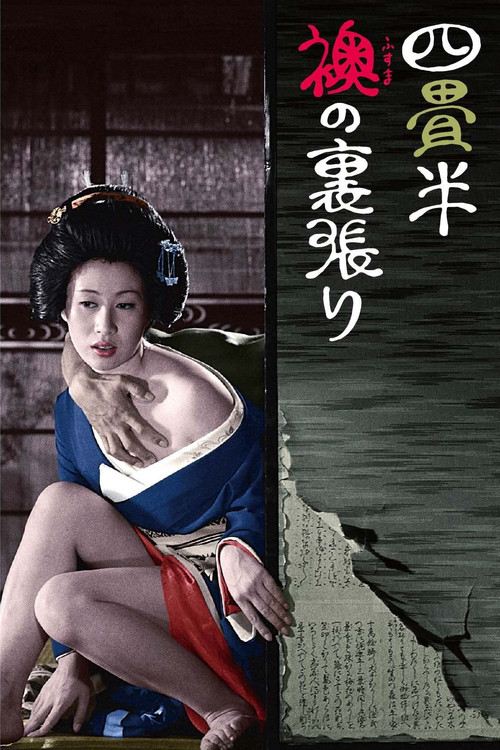
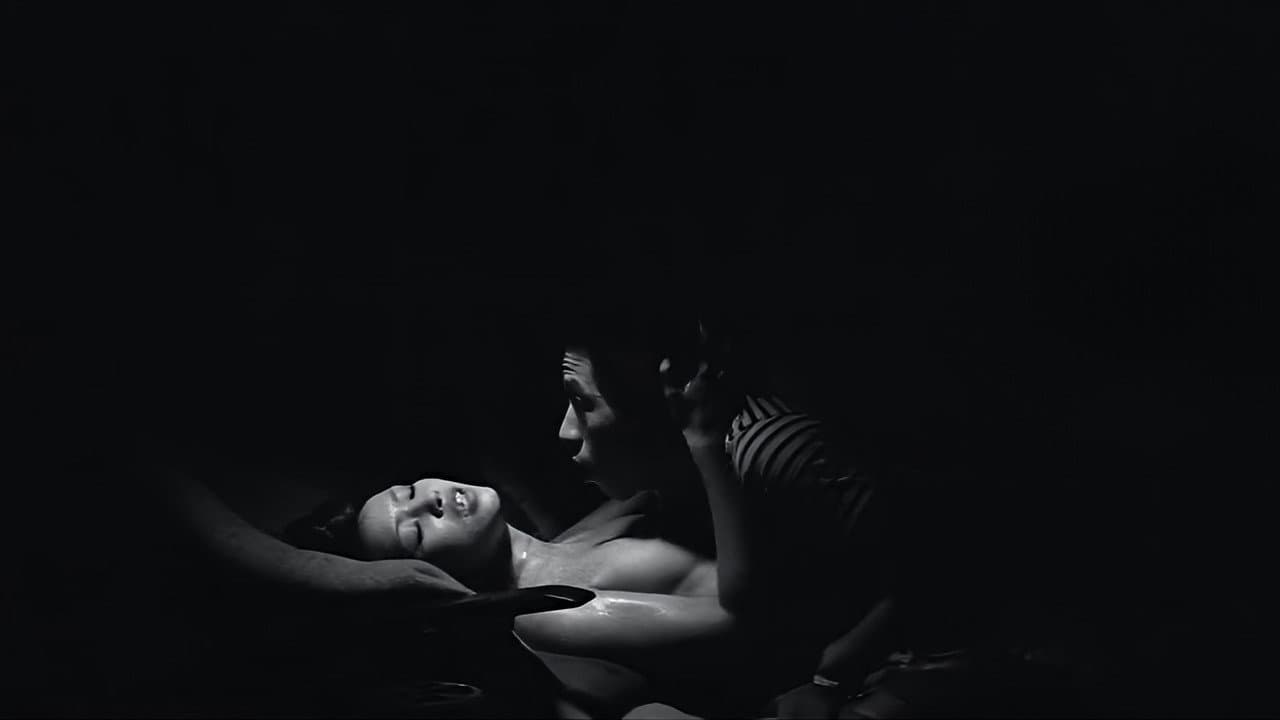
Secret Chronicle: She Beast Market arrives as a window into a world most cinema prefers to ignore. This 1974 Nikkatsu Corporation production follows a strong-willed young prostitute and her fractured family—her mentally challenged brother and aging mother, also trapped in sex work—as they navigate the unforgiving streets of 1970s Osaka. The film doesn't soften its gaze. Instead, it plants you directly into the day-to-day humiliations, small victories, and desperate calculations of people for whom survival isn't philosophical; it's hourly. At 83 minutes, the runtime never feels padded—every scene carries weight, every interaction a negotiation between dignity and necessity.
Behind the making of Secret Chronicle: She Beast Market
Nikkatsu Corporation, Japan's oldest film studio, had spent decades building a reputation for provocative, commercially savvy cinema. By the 1970s, the company was deep into exploring taboo subjects and marginal lives—territory that mainstream studios wouldn't touch (or could only touch with condescension). Secret Chronicle: She Beast Market emerged from this era of calculated risk-taking. The production itself remains relatively undocumented in Western film histories, which isn't unusual for Japanese B-pictures and exploitation-adjacent dramas of the period. What's notable is that Nikkatsu committed resources to this story at all—a three-character study about women in sex work, with a mentally disabled character at the emotional center. The IMDb rating of 6.4/10 suggests a film that divides viewers, which often happens when a work refuses to provide easy moral comfort. Some viewers came away moved by its honesty; others found the material too bleak or the execution uneven. Neither response invalidates the film's ambition to show rather than preach.
What makes Secret Chronicle: She Beast Market stand out
What's striking is how the film treats its characters—not as cautionary tales or tragic victims awaiting rescue, but as people with agency, humor, and intelligence trapped within a rigged system. The younger prostitute's strength of will isn't softened into sentimentality; it's shown as a practical tool, sometimes effective, sometimes not. The brother's mental disability isn't played for sympathy or comic relief; he's simply there, part of the household economy, and his presence complicates every decision. The mother, aging and still working, represents a kind of generational continuity that's both heartbreaking and matter-of-fact. I keep coming back to how the film refuses the easy narrative arc—there's no redemption waiting, no wealthy client who falls in love, no sudden inheritance. Instead, what you get is texture: the specific exhaustion of a particular Tuesday, a small conversation that reveals how these people think about their options, the way they protect each other within severe constraints. The performances anchor everything. Without melodrama or overstatement, the cast communicates the psychological toll of living without margin for error. That restraint—that refusal to wring tears from the audience—is what makes the emotional impact land harder than it would in a more conventionally structured drama.
Where to stream Secret Chronicle: She Beast Market online
Secret Chronicle: She Beast Market is available across major OTT services, making it far more accessible now than it would have been even a decade ago. If you're tracking down this 1974 Nikkatsu title, Movie OTT maintains a current database of where it's streaming—the platform aggregates availability across services so you don't have to hunt across six different apps. The film pops up periodically on services that specialize in international and catalog cinema. Because it's a relatively obscure title outside Japan and among serious film historians, it won't be front-and-center on your home screen, but that's part of what makes discovering it worthwhile. Check the Where to Watch widget at the top of this page to see which platforms currently have it available in your region.
Frequently asked questions
Q: Is Secret Chronicle: She Beast Market based on a true story?
No confirmed source material exists in English-language film documentation. The film appears to be an original drama written for the screen, though it's set against the real socioeconomic conditions of 1970s Osaka and draws on the lived reality of sex work and poverty in that era.
Q: What genre is Secret Chronicle: She Beast Market?
It's classified as drama, though it carries elements of social realism cinema—a style that was gaining traction in Japanese film during the 1970s. It's not a thriller, not a comedy, not exploitation in the sensationalist sense.
Q: Who directed Secret Chronicle: She Beast Market?
The film was produced by Nikkatsu Corporation, though specific directorial credit isn't as widely documented in English-language sources. Movie OTT tracks production details where they're available, and the Where to Watch widget often links to fuller credits.
Q: How long is Secret Chronicle: She Beast Market?
The runtime is 83 minutes, which allows the film to develop its characters and situations without sprawl or unnecessary padding.
Q: Why is Secret Chronicle: She Beast Market hard to find?
It's a 50-year-old Japanese B-picture dealing with stigmatized subject matter. Rights holders, archival status, and distribution patterns all affect availability. That's why streaming aggregators matter—they help viewers locate titles that aren't in wide theatrical circulation.
Final thoughts on Secret Chronicle: She Beast Market
Secret Chronicle: She Beast Market isn't comfortable viewing, and it's not meant to be. It's a film for viewers who want cinema to show them something true about lives they might never otherwise encounter—not to feel better about themselves, but to understand differently. The 1974 Nikkatsu production remains a solid example of what happens when a studio commits to unflinching storytelling about marginalized people. It won't be everyone's film. But if you're interested in 1970s Japanese cinema, social realism, or simply films that trust their audience enough not to explain everything, it's worth the time.