


The story of A Woman Called Sada Abe
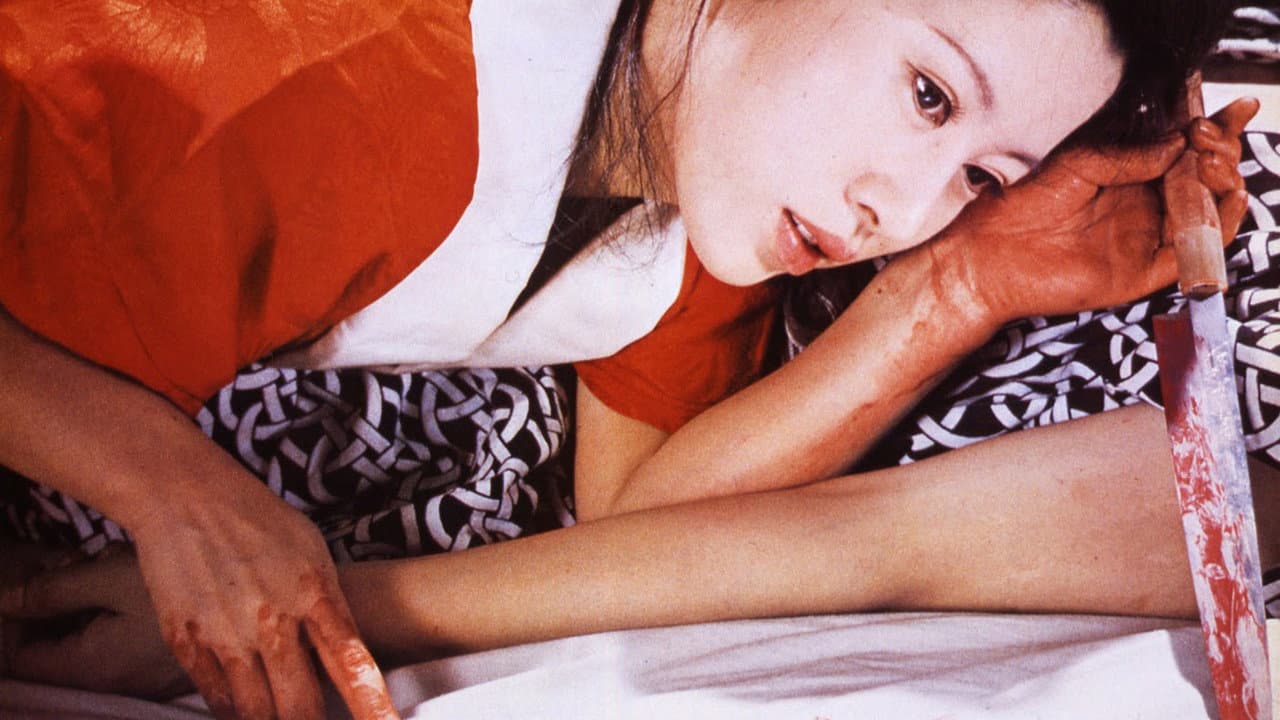
A Woman Called Sada Abe opens with a young woman cast out from her privileged life—the daughter of a wealthy merchant, her virginity stolen by a college student, her reputation shattered in a world that doesn't forgive such things. Sada's expulsion isn't presented as melodrama; it's simply what happens next. She drifts into the city, becomes a geisha, and there meets Kichizo, a successful restaurateur with money, taste, and—it turns out—an appetite for something more dangerous than fine dining. What unfolds over a single week is neither a love story nor a straightforward affair. Instead, it's a portrait of two people who find in each other a permission they've never had before, a mutual descent into desire so consuming it becomes indistinguishable from obsession. The film doesn't shy from where this leads: a shocking act of violence that would dominate newspaper headlines across Japan and cement Sada's name in the country's criminal history.
Behind the making of A Woman Called Sada Abe
A Woman Called Sada Abe emerged from Nikkatsu Corporation, the legendary Japanese studio that spent the 1970s pushing boundaries—sometimes brilliantly, sometimes recklessly. The film arrived in 1975, a 76-minute sprint through its subject matter that refuses to linger on sentiment or provide easy moral scaffolding. Nikkatsu had built its reputation on genre work and exploitation fare, but the studio also harbored filmmakers willing to interrogate desire itself, to ask uncomfortable questions about power, shame, and the body. The production doesn't boast the international prestige of later Japanese crime dramas, nor did it command major box-office numbers on release—it remains a cult object rather than a household name. What's striking is how the film treats its source material: the real Sada Abe case of 1936 wasn't just scandalous; it was culturally seismic, a rupture in how Japan understood passion, gender, and violence. The 1975 adaptation captures that seismic quality without sensationalizing it, which is its own kind of risk. Movie OTT users searching for Japanese crime cinema or 1970s provocations will find this film catalogued alongside more canonical titles, though its reputation tends to precede its actual viewership.
What makes A Woman Called Sada Abe stand out as a 1970s Japanese drama
The performances are the film's backbone. There's no winking, no distance between actor and character—what you're watching is commitment to a psychological state that most cinema avoids. I keep coming back to how the film refuses to make Sada sympathetic in the way audiences expect. She's not a victim who learns and grows; she's a woman who knows exactly what she wants and pursues it with a clarity that terrifies everyone around her, including herself. That contradiction—the clarity and the terror living in the same breath—is where the film lives. The cinematography doesn't beautify the affair; it documents it with a flatness that somehow makes the intimacy more claustrophobic. There's no swelling score, no romantic lighting. Just two people in rooms, in streets, in the spaces between desire and its consequences. The IMDb rating of 5.53/10 reflects how divisive the film remains—some viewers find it essential; others find it exploitative or simply cold. That split tells you something true: the film works precisely because it won't comfort you. It won't let you settle into a comfortable reading. Hard to say if that's a feature or a bug depending on what you want from cinema, but it's undeniably what the film does.
Where to stream A Woman Called Sada Abe online
A Woman Called Sada Abe is available on major OTT services, and you can check the Where to Watch widget at the top of this page to see which platform currently carries it in your region. Streaming availability shifts regularly—what's on one service today might move tomorrow—so Movie OTT tracks current availability across the major platforms to save you the hunt. If you're hunting for 1970s Japanese cinema or crime dramas with genuine historical weight, the film's presence on these services means you don't need to hunt through specialty rental channels anymore. The democratization of access to cult and arthouse titles has been one of streaming's genuine wins, and A Woman Called Sada Abe benefits from that shift.
Frequently asked questions
Q: Is A Woman Called Sada Abe based on a true story?
Yes. The film is based on the real Sada Abe case from 1936, when a geisha and her lover's affair ended in a notorious crime of passion that shocked Japan. The film adapts the historical events while taking creative liberties with dialogue and certain plot details.
Q: Who directed A Woman Called Sada Abe?
The film was produced by Nikkatsu Corporation, Japan's influential studio known for pushing boundaries in 1970s cinema. It's a product of that studio's commitment to provocative, boundary-testing filmmaking.
Q: How long is A Woman Called Sada Abe?
The film runs 76 minutes, a lean runtime that moves through its narrative without padding or digression—it's all forward momentum toward its inevitable conclusion.
Q: What genres does A Woman Called Sada Abe belong to?
The film blends crime, drama, and romance, though "romance" here means something twisted and obsessive rather than conventionally tender. It's equally a psychological study and a historical account.
Q: Why is the IMDb rating for A Woman Called Sada Abe relatively low?
The film's 5.53/10 rating reflects how divisive it remains among viewers. Some appreciate its unflinching approach to desire and violence; others find it cold or exploitative. It's a film that doesn't aim to please everyone—it aims to provoke and disturb.
Final thoughts on A Woman Called Sada Abe
A Woman Called Sada Abe won't be for everyone, and that's not a weakness—it's the whole point. The film refuses the comfort of easy judgments about its characters or their actions. It won't let you leave the theater (or your couch) thinking you understand desire, shame, or the gap between them. What it will do is sit with you, uncomfortable and unforgettable, a reminder that cinema can still be dangerous when it refuses to look away.