
The story of El placer de matar
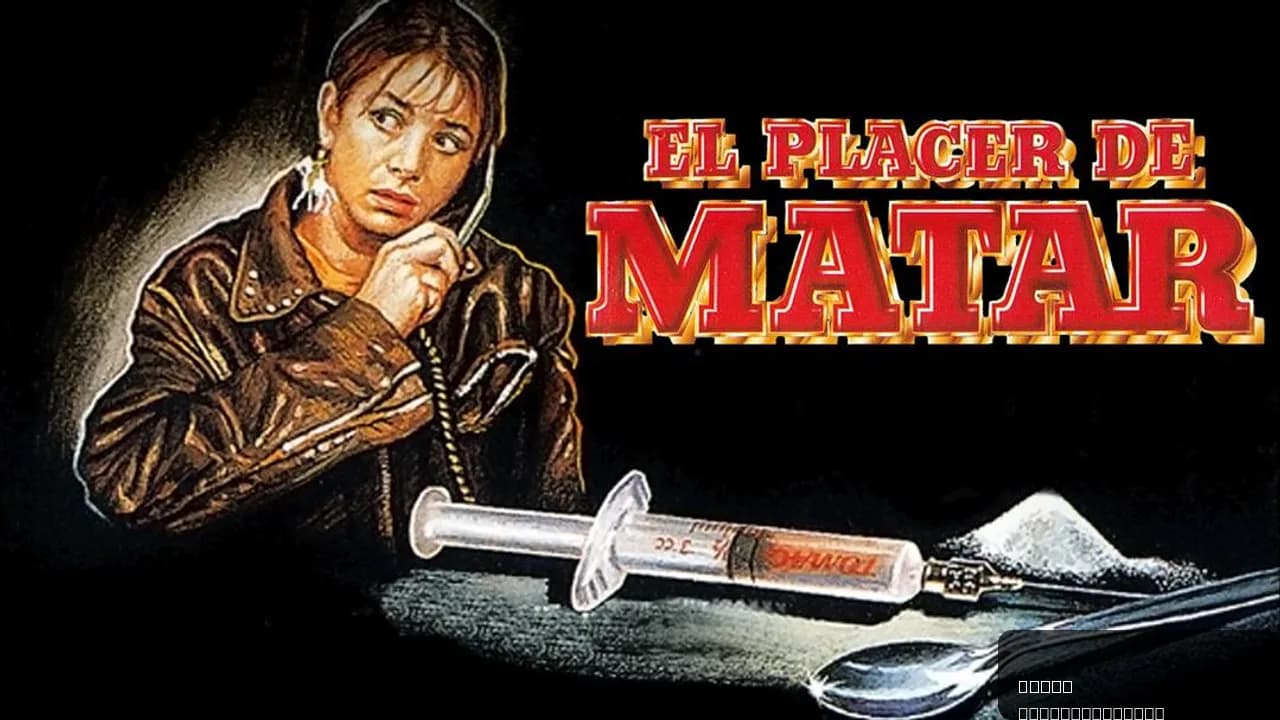
El placer de matar—which translates to "The Pleasure of Killing"—is a 1988 Spanish crime thriller that operates in the shadowy space where obsession meets violence. Directed by Félix Rotaeta, the film centers on a protagonist drawn into a world of murder and moral corruption, where the line between hunter and hunted blurs with each passing scene. The narrative unfolds across 89 minutes of tense, character-driven drama that explores what happens when someone becomes intoxicated by the very act they initially set out to stop. Without spoiling the specifics, the film's core tension comes from watching its central character navigate a criminal underworld where survival means abandoning conventional morality—a premise that was far more provocative in late-80s European cinema than it might seem today.
Behind the making of El placer de matar
El placer de matar arrived during a fascinating period for Spanish filmmaking, when the post-Franco era was producing increasingly bold and uncompromising work. Director Félix Rotaeta brought this project to life with a cast that included a then-ascending Antonio Banderas, who was still building his reputation before his later Hollywood breakthrough. Banderas shared screen time with French actor Mathieu Carrière, Spanish veteran Victoria Abril, and Berta Riaza, each bringing their own gravity to the film's dark narrative. The production emerged from Spain's thriving genre cinema scene—a moment when Spanish directors weren't afraid to tackle morally ambiguous protagonists and violent subject matter. While the film didn't achieve major international box-office success or significant awards recognition, it remains part of the historical record of 1980s European thriller cinema. The film's modest budget and regional production values are evident in every frame, yet they also give the work an authenticity that glossier productions often lack. What's striking is how the constraints of the era—limited special effects, practical locations, genuine tension on set—forced filmmakers to rely on narrative momentum and performance rather than spectacle.
What makes El placer de matar stand out
The performances that anchor El placer de malar are its greatest strength, particularly Banderas's commitment to a role that demands moral ambiguity without apology. Banderas doesn't play a hero wrestling with his conscience; he plays someone actively choosing a darker path, and that choice—made scene after scene—creates an uncomfortable gravity that keeps you watching even when the film's logic starts to fray. Carrière brings a menacing presence that contrasts sharply with Banderas's coiled intensity, and the dynamic between them generates real friction. Victoria Abril, meanwhile, navigates a role that could've been thankless in less capable hands, giving her character agency in a story dominated by male violence. The film's IMDb rating of 4.4/10 reflects its mixed reception—some viewers find it compelling precisely because it refuses to moralize, while others find its narrative convolutions frustrating or its pacing uneven. I keep coming back to the fact that this was made in 1988, before the internet, before streaming, before most people outside Spain ever heard of it. That invisibility is part of its charm. It's a film that exists in a pocket of cinema history, unconcerned with global appeal or franchise potential. The craft on display—the cinematography's commitment to shadow and urban decay, the editing's rhythmic control of tension—suggests a director who understood his material completely, even if the material itself doesn't always cohere.
Where to stream El placer de matar online
El placer de matar is currently available to stream on Prime Video, making it accessible to anyone with an Amazon subscription. That's the primary way to catch this 1988 Spanish thriller in the streaming era—no need to hunt down rare DVDs or VHS tapes anymore. Movie OTT tracks current streaming availability across platforms, so you can check the Where to Watch widget above to confirm it's still live on Prime in your region, since streaming catalogs shift frequently. If you're interested in exploring more European genre cinema from this era, Movie OTT's streaming guides can point you toward similar titles from Spain, France, and Italy that share El placer de matar's willingness to embrace moral complexity and gritty realism. The 89-minute runtime makes it a manageable evening watch—not a sprawling epic, but a focused narrative that respects your time.
Frequently asked questions
Q: Who directed El placer de matar?
Félix Rotaeta directed this 1988 Spanish crime thriller. It remains one of his most notable works and showcases his ability to construct tension through performance and atmosphere rather than spectacle.
Q: Where can I watch El placer de matar?
El placer de matar is currently streaming on Prime Video. Check the Where to Watch widget at the top of this page to confirm availability in your region, as streaming catalogs vary by location.
Q: What year was El placer de matar released?
The film was released in 1988 during a particularly fertile period for Spanish genre cinema, when directors were experimenting with morally complex narratives and violent subject matter.
Q: Is El placer de matar based on a true story?
There's no indication that El placer de matar draws from a specific true crime case. It's an original screenplay that explores fictional characters navigating a criminal underworld, though its gritty realism might suggest otherwise.
Q: How long is El placer de matar?
The film runs 89 minutes, making it a lean thriller that doesn't overstay its welcome. It's structured for focused viewing rather than sprawling narrative complexity.
Final thoughts on El placer de matar
El placer de matar won't appeal to everyone—its pacing is deliberate, its morality is murky, and its 4.4 IMDb rating suggests plenty of viewers found it frustrating. But that's precisely what makes it worth seeking out. This is a film that trusts its audience to sit with discomfort, to watch a protagonist make increasingly dark choices without narrative hand-holding or redemptive arcs. If you're drawn to 1980s European cinema that prioritizes character and atmosphere over plot mechanics, or if you want to see a young Antonio Banderas in a role that demanded real dramatic range, El placer de matar deserves your attention. It's a curious artifact, a film that exists outside the mainstream but rewards patient viewers willing to meet it on its own terms.