









EVANGELION: DEATH (TRUE)² — The 2026 Recut Nobody Asked For (But Maybe Needed)
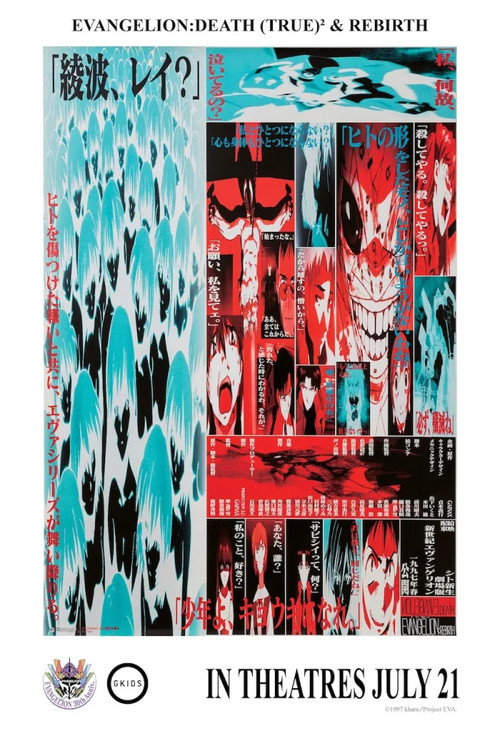
EVANGELION: DEATH (TRUE)² arrives in 2026 as a 69-minute recompilation film — pulling footage from the 1995–96 TV series and stitching it back together in deliberately non-chronological order. This isn't a remaster or a anniversary cash grab. It's a recut, and the squared notation in the title is the filmmakers' way of asserting they're getting the "true" version right this time.
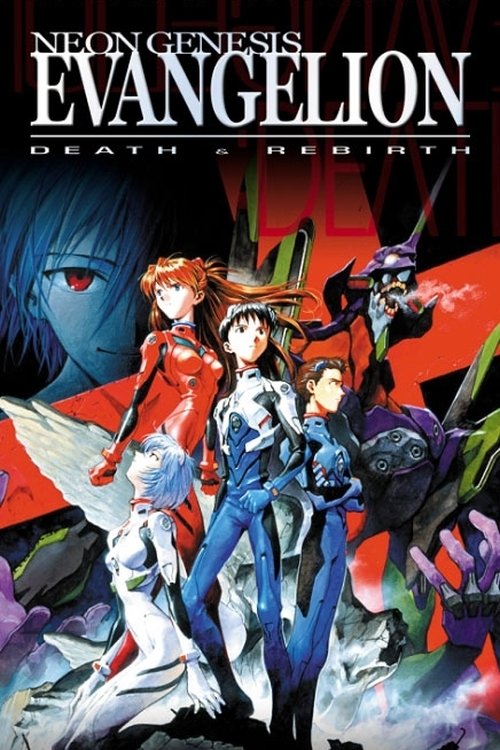
The original context matters here. In 1997, a theatrical release called Death and Rebirth included an Evangelion: Death segment that compressed 24 TV episodes into about 60 minutes. Audiences were split. Some found it efficient; others felt it stripped out the psychological weight that made the series worth watching. Now, nearly 30 years later, four studios — GAINAX, Tatsunoko Production, Toei Company, and Production I.G — are saying: we can do better.
What the non-chronological structure actually does
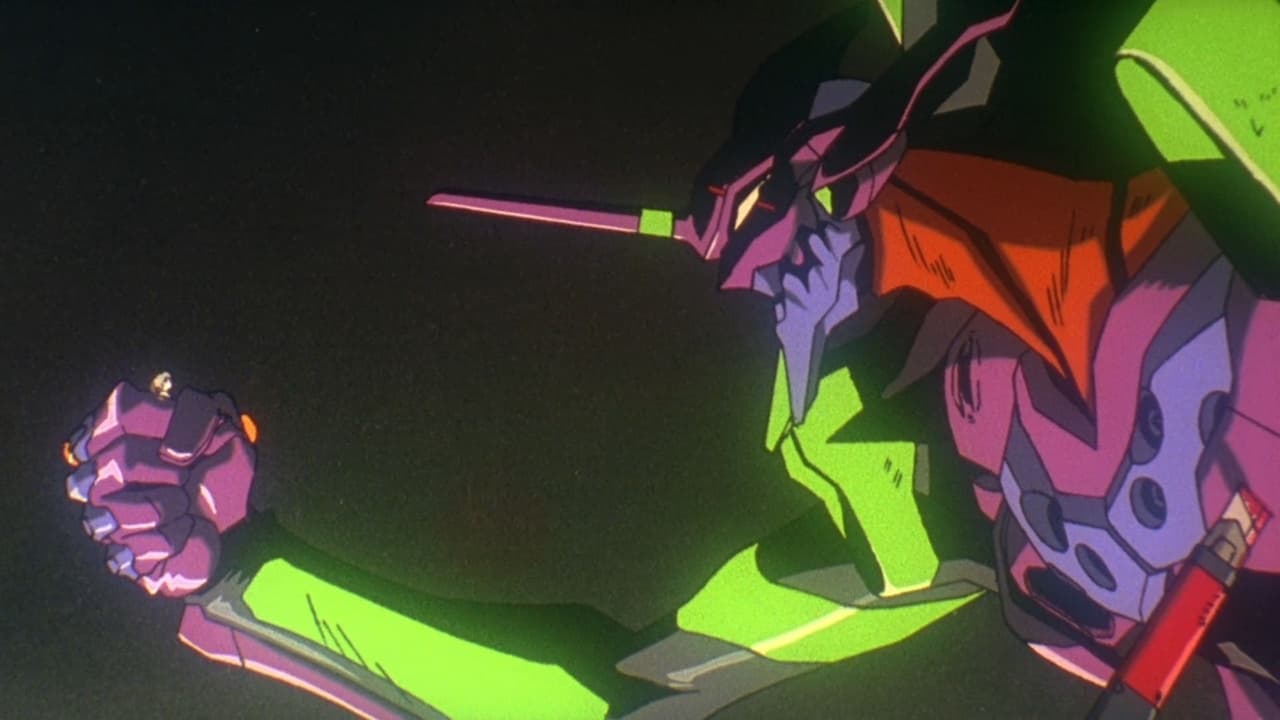
Here's the thing about Evangelion that most people don't articulate clearly: it's not really about the robots. The mecha framework is the container, not the point. The series takes traumatized 14-year-olds and asks them to pilot massive humanoid weapons against alien invaders called Angels — but what it's actually interested in is the psychological cost of that choice. Episode 16 exists in the viewer's memory as a kind of dissolution moment, where Shinji (the protagonist) gets absorbed into his Eva unit and confronts something that resists easy description — a dream, a dissolution of self, a moment where the series stops pretending to be conventional science fiction.
Non-chronological editing of this material doesn't sound right on paper. But it might actually work. Trauma doesn't move forward linearly. It loops. It recurses. It fragments. Recut the series into a non-linear shape, and you're potentially mirroring how these characters actually experience their own damage rather than narrating it in story-time sequence.
The 6.5/10 IMDb rating from 663 pre-release votes is instructive. Not universally loved. Not dismissed. Split. That's a very specific audience signal — people who know exactly what they're getting and aren't sure the bet pays off.
Why this film exists at all
The Evangelion franchise doesn't move forward — it moves sideways, backward, and inward. The Rebuild of Evangelion tetralogy (2007–2021) didn't just retell the original story. It recontextualized it. Asked different questions. Arrived at different emotional destinations. A true-form recut fits that same pattern of revisitation, except this time the raw material is the 1995–96 series itself, not a reimagining.
This is a 30-year-old franchise with institutional weight behind it. Four studios collaborating suggests this isn't passion-project territory — it's coordinated infrastructure. And yet the premise is audacious: we can cut your beloved series into a different shape and claim it's the truest version yet.
The thing nobody mentions is that this only works if you've already seen the TV series. Don't come to this cold. EVANGELION: DEATH (TRUE)² is a conversation with an audience that already knows the language — how Shinji's collapse feels, what the Third Impact represents, why Episode 16 matters. New viewers should start with the original 26 episodes first. Movie OTT tracks where to stream both the original series and this recut once it lands in 2026.
Where you'll actually watch it
Specific streaming platform hasn't been confirmed yet — which is typical for anime compilation films, where rights tend to get announced in waves. The film could land on a dedicated anime service like Crunchyroll, or it could take a broader streaming approach. Hard to say which positioning the distributor will choose.
When the platform is confirmed, Movie OTT's where-to-watch widget will reflect it in real time. That widget aggregates across major services, so it's your fastest path to finding the film the moment it's available. Check back as we move through 2025 — rights announcements for titles like this tend to come in clusters, and the platform choice itself tells you something about how aggressively the distributor is pushing this recut into the mainstream versus holding it for anime-specific audiences.
The film is currently listed as Not Rated on IMDb. No MPAA rating has been assigned.
Should you actually watch this thing?
If you watched the original Neon Genesis Evangelion series and felt wrecked by it, this is worth 69 minutes of your time. Not because it replaces anything — the TV series and End of Evangelion aren't going anywhere — but because the franchise has earned trust through thirty years of intelligent revisitation. Sometimes reframing isn't nostalgia. Sometimes it's argument.
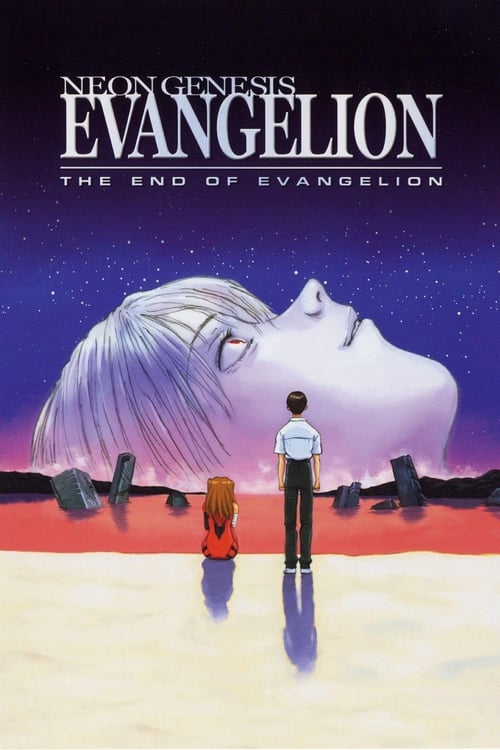
For newcomers: don't start here. Watch the 1995–96 TV series (26 episodes, available on multiple platforms). Then, if you want to go deeper, there's End of Evangelion (1997, the theatrical film that concluded the series), and then the Rebuild tetralogy if you want to see the story told as a completely different narrative. EVANGELION: DEATH (TRUE)² comes after all of that.
The non-linear structure is either going to feel like a revelation or feel like it's stripping away the accumulation that made the original devastating. That gap — between what it attempts and what it delivers — is where all the genuine interest lives.
Quick reference
- Release year: 2026
- Runtime: 69 minutes
- Rating: Not Rated
- Genres: Animation, Science Fiction, Action, Drama
- Source material: Neon Genesis Evangelion TV series (1995–96)
- Studios: GAINAX, Tatsunoko Production, Toei Company, Production I.G
- IMDb rating: 6.5/10 (663 pre-release votes)
Where to watch: Streaming availability TBA. Check Movie OTT for confirmation once platform deals are announced.
Watch order: Original TV series → End of Evangelion (optional) → EVANGELION: DEATH (TRUE)² → Rebuild of Evangelion films (optional, separate continuity).