The story of Fallen Angels and its dual narrative structure
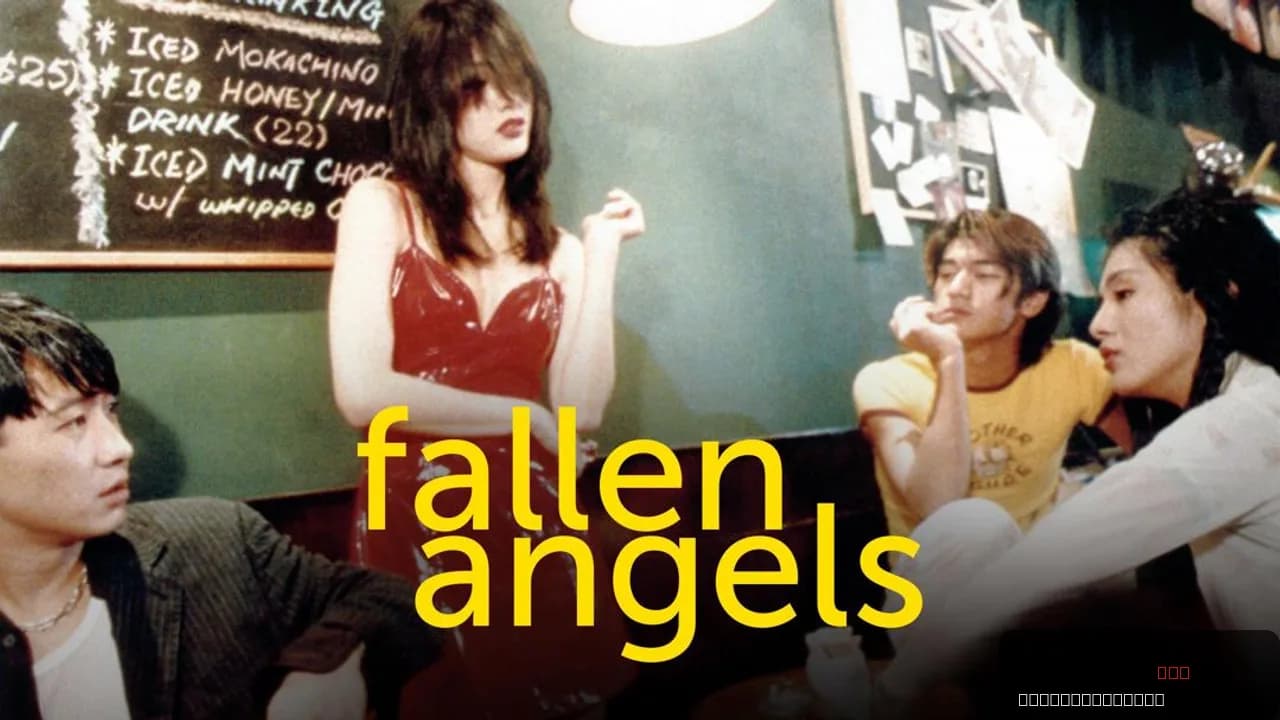
Fallen Angels is a 1995 Hong Kong neo-noir that doesn't follow the usual crime-thriller playbook. Instead of a single protagonist, director Wong Kar-Wai splits his vision into two intertwined storylines that mirror and complement each other like reflections in a rain-soaked window. The first thread follows a hitman (Leon Lai Ming) who's reached the breaking point of his career—he wants out, wants a normal life, wants connection. But his unnamed female agent, who cleans his apartment while he's away and harbors a secret infatuation, won't let him go quietly. The second story belongs to a mute ex-convict on the run from police and the mentally unstable woman he becomes entangled with. Both narratives pulse with the same emotional frequency: desperation, longing, and the ache of being unable to bridge the gap between two people.
Behind the making of Fallen Angels and Wong Kar-Wai's creative vision
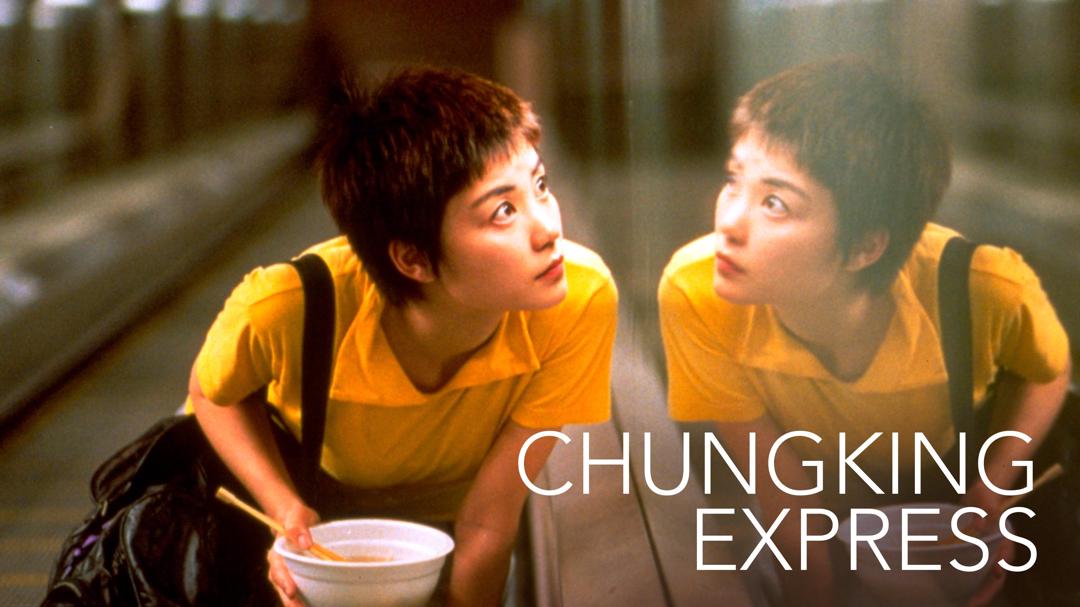
Fallen Angels emerged from an unexpected source. Wong Kar-Wai had originally shot the film as part of a longer project, but when his earlier film Chungking Express (1994) ran long, he repurposed this material into a standalone work. What could've been a hasty edit became something far richer. The director's signature visual style—neon-soaked cinematography, whip-pans, and handheld camera work that makes the city itself feel like a character—is on full display here. With a runtime of just 98 minutes, Fallen Angels moves with kinetic energy, never overstaying its welcome even as it explores the quieter moments of its characters' lives.
The cast brings real weight to their roles. Leon Lai Ming carries the hitman's weary resignation with understated grace, while Michele Reis, as his unnamed agent, captures the painful contradiction of being invisible to the person you're obsessed with. Takeshi Kaneshiro, in his early career, plays the mute ex-con with a physicality that speaks volumes—no pun intended. Charlie Yeung Choi-Nei, Karen Mok Man-Wai, and the supporting ensemble fill out a world that feels lived-in and specific to pre-Handover Hong Kong, that particular moment when the city was caught between two identities. Though the film didn't achieve massive box office success at the time, it's since become recognized as a cult classic and a defining work of Hong Kong cinema in the 1990s.
What makes Fallen Angels stand out in Wong Kar-Wai's filmography
What's striking about Fallen Angels is how it refuses easy answers. The hitman doesn't get a clean exit; his agent doesn't win his heart through persistence; the mute ex-con and his girlfriend don't save each other. Instead, Wong Kar-Wai trades in ambiguity and melancholy, which—honestly—is far more honest about how love and longing actually work. The performances don't rely on grand emotional gestures either. There's a scene where the agent breaks into the hitman's apartment while he's out, moving through his space like a ghost, and it's more heartbreaking than any confrontation could be. She's there but not there. Present but unseen. That's the whole film in miniature.
The visual language does the heavy lifting. Every frame looks like a still from a music video—oversaturated colors, strategic use of darkness, characters framed against neon signs and rain-streaked windows. Wong Kar-Wai's camera doesn't stay still; it prowls, it darts, it finds unexpected angles. It's a style that could feel gimmicky in less capable hands, but here it's essential to the mood. The film's exploration of urban alienation—how you can be surrounded by millions of people and still feel utterly alone—resonates because the visual language mirrors that contradiction. Hong Kong's density and energy, its blur of motion and noise, becomes a perfect backdrop for characters trapped in their own private worlds. I keep coming back to how the film uses the city itself as a kind of antagonist, indifferent to the small dramas unfolding within it.
Where to stream Fallen Angels online
If you're ready to experience Wong Kar-Wai's neon-soaked vision, Fallen Angels is currently available on Netflix. You can check the Where to Watch widget at the top of this page for the most up-to-date platform information and availability in your region. Movie OTT tracks streaming availability across multiple platforms, so if you're ever hunting for where a title lives, that's the place to start. The 98-minute runtime means it's perfect for a weeknight watch—lean in, turn off your phone, and let the city's pulse wash over you.
Frequently asked questions
Q: Who directed Fallen Angels?
Wong Kar-Wai directed and wrote Fallen Angels. He's the same filmmaker behind Chungking Express (1994) and In the Mood for Love (2000), and his distinctive visual style is unmistakable here—neon colors, dynamic camera work, and a focus on urban loneliness.
Q: Is Fallen Angels based on a true story?
No, Fallen Angels is a work of fiction. Wong Kar-Wai created the dual narrative structure specifically for this film, exploring themes of isolation and impossible connection through invented characters rather than real events.
Q: What's the connection between Fallen Angels and Chungking Express?
Fallen Angels was originally shot as part of a longer project that became Chungking Express (1994). When Chungking Express ran long, Wong Kar-Wai repurposed this material into a standalone film, which is why both share similar themes and his signature visual style, though they tell completely different stories.
Q: How long is Fallen Angels?
The film runs 98 minutes, making it a tight, kinetic viewing experience that moves briskly through its two intertwined narratives without feeling rushed.
Q: What's the IMDb rating for Fallen Angels?
Fallen Angels holds a 7.2/10 rating on IMDb, reflecting its status as a cult classic that's been reassessed and appreciated more deeply by audiences and critics in the years since its 1995 release.
Final thoughts on Fallen Angels
Fallen Angels isn't a film for everyone. It's deliberately oblique, visually demanding, and emotionally ambiguous in ways that some viewers find frustrating. But if you're drawn to cinema that trusts you to sit with uncomfortable feelings, that uses style as substance, that understands loneliness as a kind of modern condition—this is essential viewing. It's a film that understands that sometimes the people closest to us remain forever out of reach. And in the neon-lit streets of 1995 Hong Kong, that's the most honest story Wong Kar-Wai could tell.