The Story of Happy Together
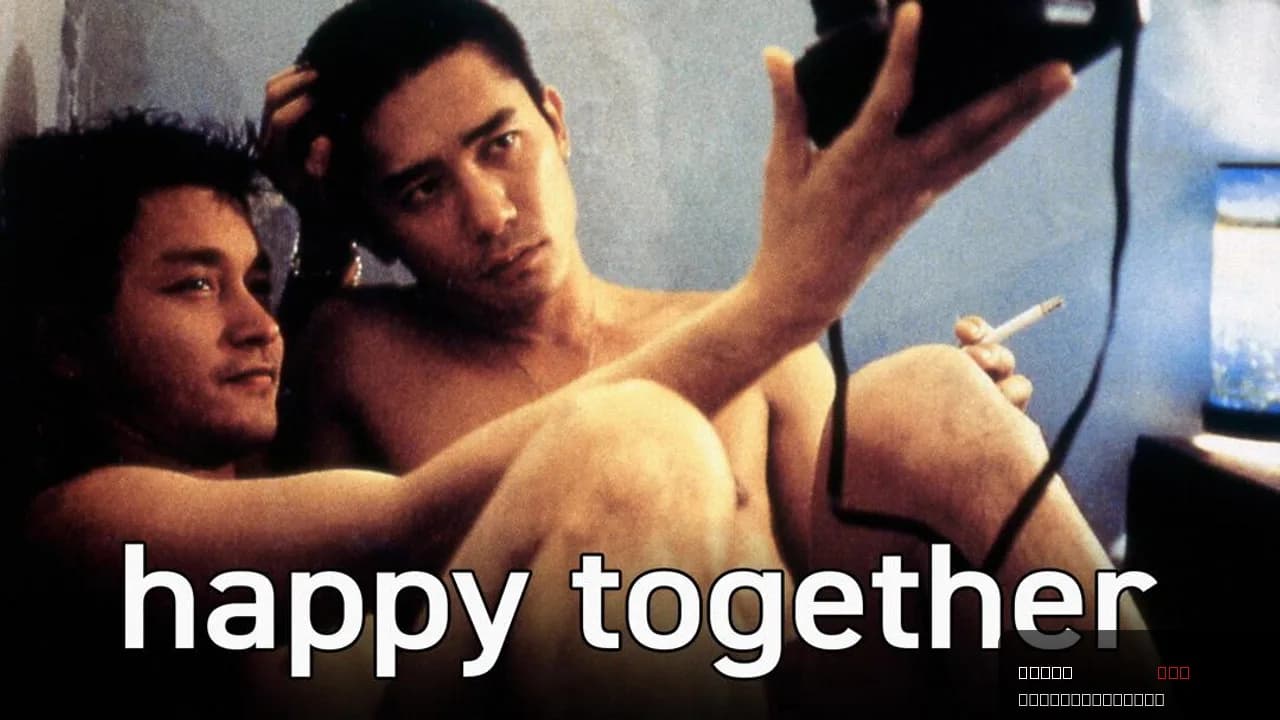
Wong Kar-wai's Happy Together opens with two men in motion. They've left Hong Kong together, chasing the idea of starting fresh, but the dream curdles almost immediately. What begins as a lovers' pilgrimage to Iguazu Falls in Argentina becomes something far more complicated—a slow-motion collapse of intimacy, filmed with such tenderness that the heartbreak feels almost unbearable. The film doesn't rush toward its breaking point; it lingers in the ordinary cruelties of a relationship coming undone: the silences, the small betrayals, the way two people can be in the same room and feel impossibly distant. When the couple separates in Buenos Aires, neither man finds the life he imagined. Instead, they drift through the city separately, until circumstance—or fate—brings them back together again, forcing a reckoning neither expected.
Behind the Making of Happy Together
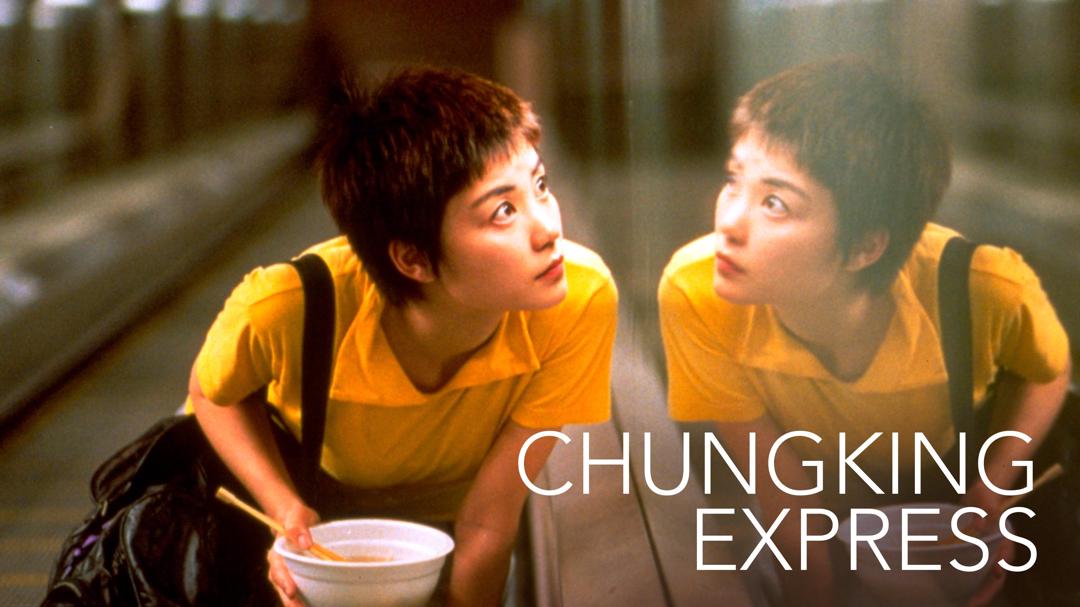
Happy Together arrived in 1997 as a bold statement from one of Hong Kong cinema's most visionary directors. Wong Kar-wai had already established himself as a formal innovator with films like Chungking Express and Fallen Angels, but this 96-minute chamber drama represented something more intimate and raw. The film was a co-production between Hong Kong, South Korea, and Japan—a transnational project that reflected the increasingly borderless nature of Asian cinema in the late 1990s. The casting of Leslie Cheung and Tony Leung Chiu-wai, two of Hong Kong's most bankable stars, was itself a statement; neither actor's participation in an explicitly gay love story was a foregone conclusion at the time. Cheung, who'd built his career on romantic leading roles, and Leung, known for his intensity and range, brought a lived-in quality to their characters that transcended the film's modest budget. The English title draws from the Turtles' 1967 pop song "Happy Together," which Danny Chung covers on the soundtrack—a bittersweet irony, since the song's saccharine optimism plays against the film's emotional devastation. While Happy Together didn't achieve massive box-office success, it found its audience among critics and cinephiles, earning a solid 7/10 on IMDb and establishing itself as a key work in Wong Kar-wai's filmography. The film's reputation has only deepened with time, particularly as conversations around queer cinema and Asian cinema have evolved.
What Makes Happy Together Stand Out
What's striking about Happy Together is how it refuses easy sentiment. This isn't a film about tragic gay love in the melodramatic sense; it's about two people who are simply incompatible, who want different things, who hurt each other in ways that feel inevitable and utterly ordinary. The performances anchor everything. Cheung brings a volatile, needy energy to his role—he's the one chasing, the one desperate to make things work—while Leung's character is quieter, more withdrawn, nursing his own resentments. Watch the scene where they're stuck in a cramped apartment together, the camera rotating around them in Wong's signature style, and you'll feel the claustrophobia, the way love can become a trap. The visual language here is unmistakably Wong's: neon-soaked nighttime sequences, handheld camera work that feels almost documentary-like, color grading that shifts from warm to cool depending on emotional temperature. But it's the restraint that matters most. There's no big dramatic confrontation scene, no moment where everything explodes. Instead, the relationship just... stops. The thing nobody mentions is how much this film trusts its audience to sit with discomfort. You're watching two men who once loved each other navigate a new reality where that love has become impossible, and the film doesn't offer easy catharsis or redemption. It just offers presence.
Where to Stream Happy Together Online
Happy Together has found a wide home across streaming platforms, which makes it easier than ever to experience Wong Kar-wai's vision. The film is currently available on Movie OTT, which tracks availability across dozens of services including Netflix, Max, Criterion Channel, MUBI, and Apple TV Store, among many others. Whether you're a subscriber to the major platforms or prefer niche services like Criterion or Filmin, you'll likely find it somewhere in your ecosystem. Movie OTT's where-to-watch widget at the top of this page shows every current option so you can stream it immediately on whatever service you already have access to. This broad availability reflects how Happy Together has become a canonical work—the kind of film that restoration houses and streaming services consider essential enough to license and promote. That wasn't always guaranteed for a 1997 queer drama from Hong Kong, which makes the current landscape genuinely worth celebrating.
Frequently Asked Questions
Q: Who directed Happy Together?
Wong Kar-wai directed Happy Together in 1997. He's known for his visually experimental approach to filmmaking and his work exploring themes of isolation, desire, and urban alienation across films like Chungking Express and In the Mood for Love.
Q: What's the runtime of Happy Together?
Happy Together runs 96 minutes, making it one of Wong Kar-wai's more compact films despite its emotional density.
Q: Is Happy Together based on a true story?
No, Happy Together is an original screenplay written by Wong Kar-wai. The film's narrative is fictional, though it draws on universal themes of relationship dissolution and displacement that feel deeply authentic.
Q: Where can I watch Happy Together right now?
The film is available on numerous platforms including Netflix, Max, Criterion Channel, MUBI, Apple TV Store, and many others. Check the where-to-watch widget on this page for your specific region and subscription options.
Q: What are the main themes in Happy Together?
Happy Together explores loneliness, the failure of romantic connection, displacement and exile, and the way desire can mask incompatibility. The film also engages with queer identity and the specificity of gay love—not as metaphor, but as lived experience.
Final Thoughts on Happy Together
If you're drawn to intimate character studies, to films that trust silence and stillness, Happy Together deserves your time. It's not an easy watch—the ending won't leave you feeling uplifted—but it's a film that stays with you, the way real heartbreak does. Wong Kar-wai made something that feels both deeply specific to its moment and timelessly human. Nearly three decades later, it hasn't lost an ounce of power. Stream it when you're ready to sit with sadness, to watch two people try and fail and try again. That's where the real beauty lives.