The Story of In the Mood for Love
In the Mood for Love unfolds in 1960s Hong Kong, where two couples move into a cramped apartment building around the same time. A newspaper editor and his wife occupy one unit; a business executive and his wife take another. But the building's tight quarters and the spouses' frequent absences create an unexpected dynamic. When the two neighbors—left alone together—gradually realize their partners are having an affair, they're bound by something neither planned: shared humiliation, proximity, and the slow burn of attraction. What follows isn't a melodramatic confrontation or a reckless affair. Instead, it's a film about longing that never quite breaks its own rules, about two people who rehearse confessions they'll never quite deliver.
Behind the Making of In the Mood for Love
Wong Kar-Wai wrote, directed, and produced In the Mood for Love as a Hong Kong and France co-production, positioning it as the second chapter in an informal trilogy that began with Days of Being Wild (1990) and would conclude with 2046 (2004). The film runs 94 minutes and stars Maggie Cheung and Tony Leung Chiu-wai in the lead roles—two actors whose quiet intensity anchors the entire project. The supporting cast includes Siu Ping-Lam, Rebecca Pan, Kelly Lai Chen, Joe Cheung Tung-Cho, and Chan Man-Lei, each contributing texture to the building's ecosystem of secrets. The film's visual language is immediately recognizable as Wong's signature style: saturated colors, geometric framing, and costumes that double as emotional shorthand. Critics and festivals took notice. It earned a 7.8/10 rating on IMDb and secured recognition across international awards circuits, though Wong's work—always more celebrated by cinephiles than by mainstream audiences—found its most devoted admirers among film scholars and streaming-savvy cinephiles who'd later discover it on platforms like Movie OTT, which tracks current streaming availability across dozens of services.
What Makes In the Mood for Love Stand Out
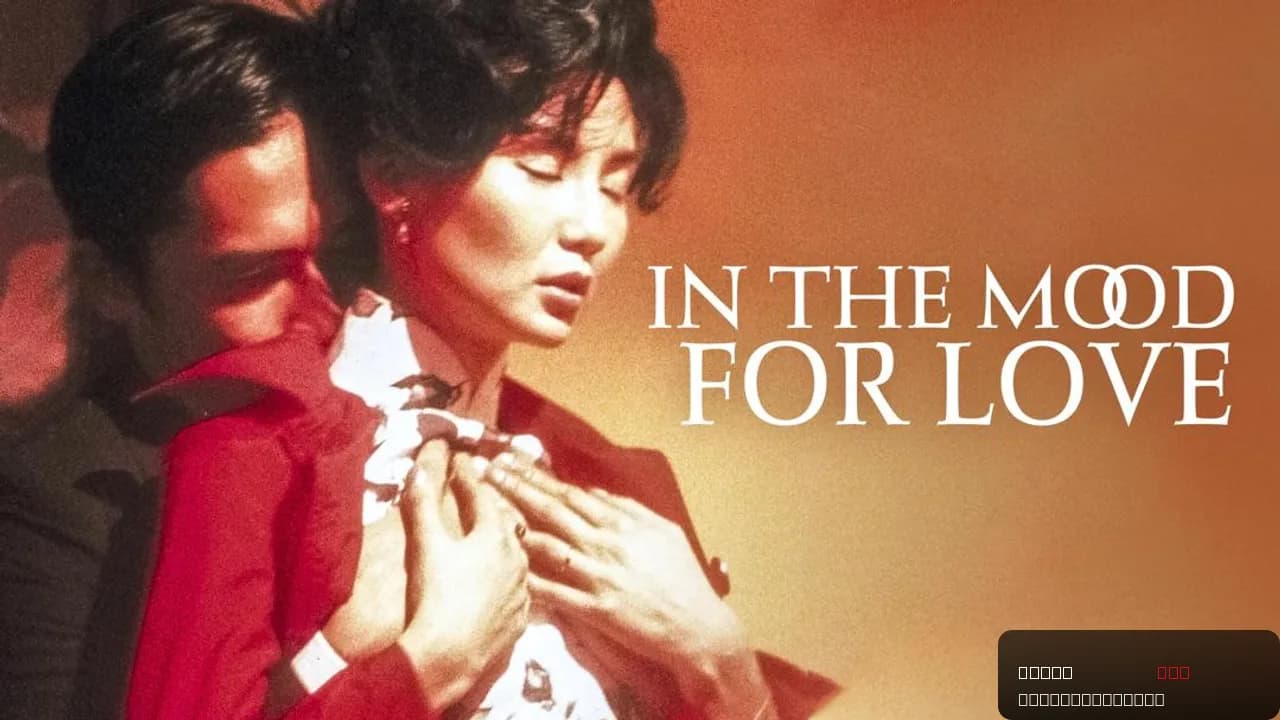
What's striking about In the Mood for Love is how little actually happens, and how much that matters. There are no screaming matches, no dramatic confrontations, no stolen kisses—at least not the way you'd expect them. Instead, Wong builds his narrative around glances, costume changes, and the way two people can rehearse the same conversation over and over, each time finding new depths in the same words. Maggie Cheung's performance is a masterclass in restraint; she communicates volumes through posture and the tilt of her head. Tony Leung matches her with an almost painful tenderness, playing a man who wants to say something and never quite does. The thing nobody mentions is how funny the film can be—there's genuine humor in their awkward rehearsals, in the way they try to recreate what they think their spouses' affair might have looked like. It's heartbreaking and absurd at once. The cinematography—those jewel-box apartments, the neon-soaked streets, the way light filters through doorways—doesn't just look beautiful; it becomes the emotional landscape. Every frame is composed like a painting, which could feel cold, except that the restraint in the performances keeps it human. This is cinema that trusts you to feel what isn't said, to understand longing through color and silence and the space between two people.
Where to Stream In the Mood for Love Online
In the Mood for Love is widely available across streaming platforms. You'll find it on MUBI, Netflix, Max, Criterion Channel, and several other services—the "Where to Watch" widget at the top of this page shows every current option, from ARTE Boutique and Canal VOD to Apple TV Store, Google Play Movies, Prime Video, and YouTube. If you're a subscriber to any major streaming service, there's a solid chance it's already in your library. Whether you prefer the curated film-focused approach of Criterion or MUBI, or you're browsing Netflix looking for something that'll actually stick with you, this film is genuinely accessible right now.
Frequently Asked Questions
Q: Who directed In the Mood for Love?
Wong Kar-Wai wrote, directed, and produced the film. It's the second installment in an informal trilogy that includes Days of Being Wild (1990) and 2046 (2004), establishing Wong as one of cinema's most visually distinctive voices.
Q: What year was In the Mood for Love released?
The film came out in 2000 as a Hong Kong and France co-production, with a runtime of 94 minutes.
Q: Who stars in In the Mood for Love?
Maggie Cheung and Tony Leung Chiu-wai headline the cast, with supporting roles from Siu Ping-Lam, Rebecca Pan, Kelly Lai Chen, Joe Cheung Tung-Cho, and Chan Man-Lei.
Q: Is In the Mood for Love based on a true story?
No, it's an original screenplay written by Wong Kar-Wai. The story of two neighbors discovering their spouses' affair and developing feelings for each other is a fictional exploration of desire, restraint, and missed connection.
Q: What's the IMDb rating for In the Mood for Love?
The film holds a 7.8/10 rating on IMDb, reflecting strong critical and audience appreciation for its craftsmanship and emotional depth.
Final Thoughts on In the Mood for Love
In the Mood for Love is the kind of film that doesn't announce itself—it seduces you slowly, through color and silence and the ache of things unsaid. If you're looking for plot momentum or emotional catharsis, you'll want to look elsewhere. But if you're willing to sit with a film that understands longing as something beautiful precisely because it's incomplete, this is essential viewing. It's a film that rewards rewatching, that makes you notice new details in the costume design or the way a character moves through a doorway. Don't expect answers. Expect questions you didn't know to ask.