The Story of Five of a Kind
Five of a Kind tells the story of two ambitious radio journalists—Duke Lester and Christine Nelson—who've built their careers on one-upping each other. When word spreads that the Wyatt quintuplets, a set of five identical children who've captured public imagination, are available for a major radio broadcast, both reporters smell blood. What follows is an escalating rivalry that spirals into increasingly absurd schemes, each trying to outmaneuver the other to land the exclusive. The film doesn't pretend to be anything more than a vehicle for comedy and spectacle, and that's exactly what it delivers. It's a snapshot of Depression-era entertainment culture, where fame moves fast and competition between media outlets was just as cutthroat as it is today.
Behind the Making of Five of a Kind
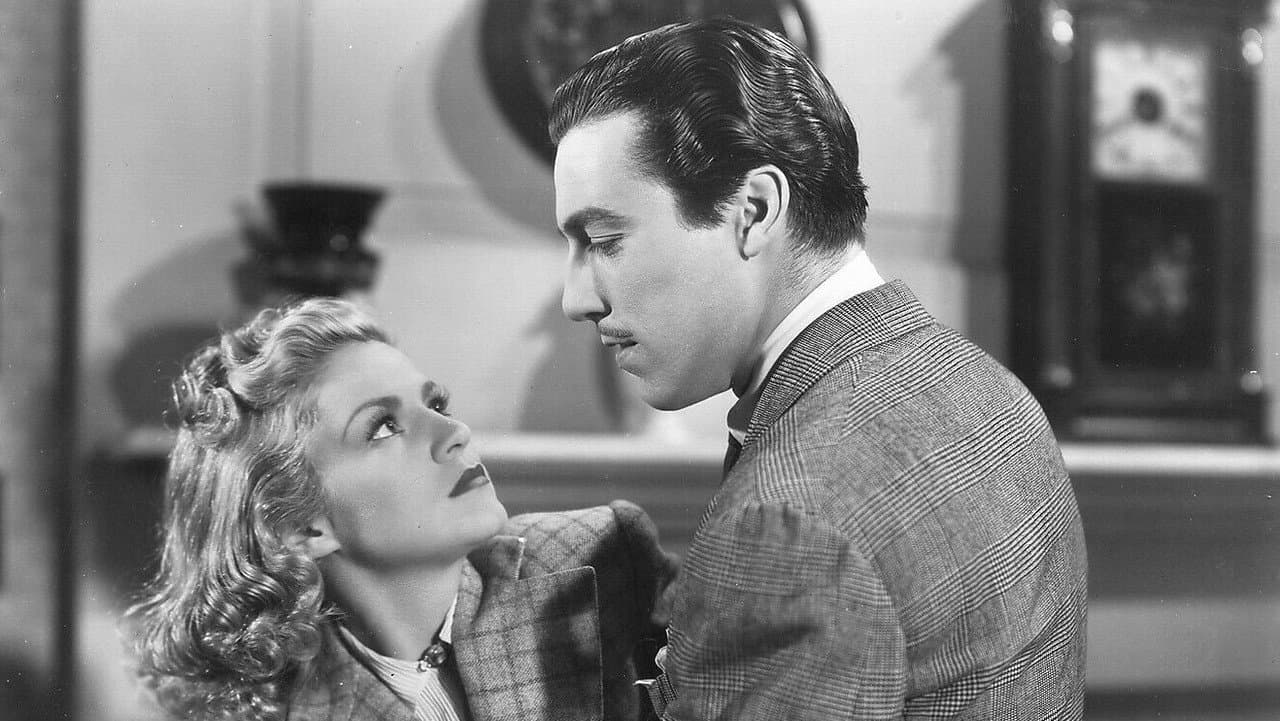
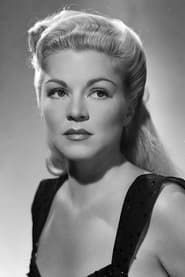
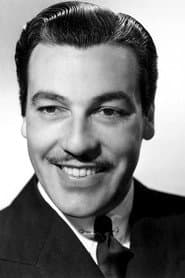
Five of a Kind arrived in theaters on October 14, 1938, produced by 20th Century Fox and directed by Herbert I. Leeds, with a screenplay by Lou Breslow and John Patrick. The film's real hook, though, wasn't the story—it was the casting. The studio made the bold choice to feature the Dionne Quintuplets themselves in the leading roles, playing the fictional Wyatt quintuplets. At the time, the Dionnes were genuine celebrities, having been born in rural Ontario in 1934 and immediately becoming international sensations. Their parents had licensed their image extensively, and Hollywood saw an opportunity to capitalize on that existing fame. Alongside the quintuplets, the film cast Cesar Romero as Duke Lester and Claire Trevor as Christine Nelson, both seasoned performers who could carry the comedic weight. Jean Hersholt rounded out the cast in a supporting role. The picture ran 85 minutes and was shot in black and white, typical of Fox's output during this period. While the film didn't set box office records or earn major awards recognition, it was a calculated bet on novelty and spectacle—the kind of thing that drew audiences in 1938, even if critics weren't always convinced.
What Makes Five of a Kind Stand Out
Honestly, the appeal of Five of a Kind has less to do with the screenplay or the performances and more to do with its historical curiosity value. Here's a film that exists almost entirely because five real children became famous for simply being born together. The Dionne Quintuplets were a phenomenon—their image was everywhere, they were on magazine covers, and studios knew that slapping their faces on a marquee would pack theaters. What's striking is how transparently the film operates as a star vehicle. The plot exists to give the quintuplets screen time and showcase them in various scenarios. Romero and Trevor do their best with the material, leaning into the screwball energy that was popular in late-1930s comedies, but they're ultimately supporting players in their own film. The chemistry between the two leads works well enough—there's a spark of genuine antagonism and flirtation that suggests the writers understood the appeal of putting two charismatic rivals on screen together. The film doesn't take itself seriously, which is probably the right call. It's a lark, a piece of entertainment designed to amuse rather than move. If you're looking for sophisticated comedy or dramatic depth, you'll want to look elsewhere. But if you're curious about how Hollywood packaged celebrity in the 1930s, or you want to see what the fuss was about regarding the Dionne Quintuplets, Five of a Kind offers a window into that world. The IMDb rating of 4.8/10 reflects the consensus that this isn't a lost classic, but that doesn't mean it lacks interest for the right viewer.
Where to Stream Five of a Kind Online
Five of a Kind is available on major OTT services, and you can check the current streaming availability through the "Where to Watch" widget at the top of this page. Since licensing agreements shift regularly, it's worth verifying which platform currently has it in your region before you settle in to watch. Movie OTT tracks these availability changes across multiple services, so you won't waste time hunting. The film's age means it's often part of classic film packages or specialty collections on platforms that emphasize vintage Hollywood. If you're a subscriber to services that focus on pre-1950s cinema, there's a decent chance you'll find it already in your library.
Frequently asked questions
Q: Who directed Five of a Kind?
The film was directed by Herbert I. Leeds, a prolific director of the 1930s and 1940s who specialized in comedies and musicals. Leeds knew how to work with ensemble casts and keep the energy moving, which served the film well.
Q: Is Five of a Kind based on a true story?
Not exactly. While the Dionne Quintuplets themselves were real and famously famous, the plot about rival reporters competing for radio rights is fictional. The film uses the real quintuplets as actors playing fictional characters in a made-up scenario.
Q: Who starred in Five of a Kind?
The film starred the Dionne Quintuplets in the lead roles, with Cesar Romero as Duke Lester, Claire Trevor as Christine Nelson, and Jean Hersholt in a supporting role. The supporting cast was filled out with reliable character actors of the era.
Q: Why were the Dionne Quintuplets so famous?
They were born in 1934 in Ontario, Canada, and were the first known surviving quintuplets. Their birth made international headlines, and their parents licensed their image extensively, making them celebrities from infancy. By 1938, when Five of a Kind was made, they were already household names.
Q: What's the runtime of Five of a Kind?
The film runs 85 minutes, a brisk pace typical of comedies from this era. Don't expect a sprawling epic—this is a compact, punchy entertainment designed to move quickly from one comedic set piece to the next.
Final Thoughts on Five of a Kind
Five of a Kind won't change your life, and it's not a film you'll find on lists of the greatest comedies ever made. But it's a curious artifact—a window into how Hollywood operated in 1938, how it packaged real-life fame, and what audiences found entertaining during the Depression. If you're a fan of classic Hollywood, a student of cinema history, or just someone who's interested in the Dionne Quintuplets phenomenon, it's worth tracking down. The performances are earnest, the comedy is light, and the whole thing moves at a pace that respects your time. You won't regret giving it a shot, even if you don't end up loving it.