








The story of Flies on the Wall
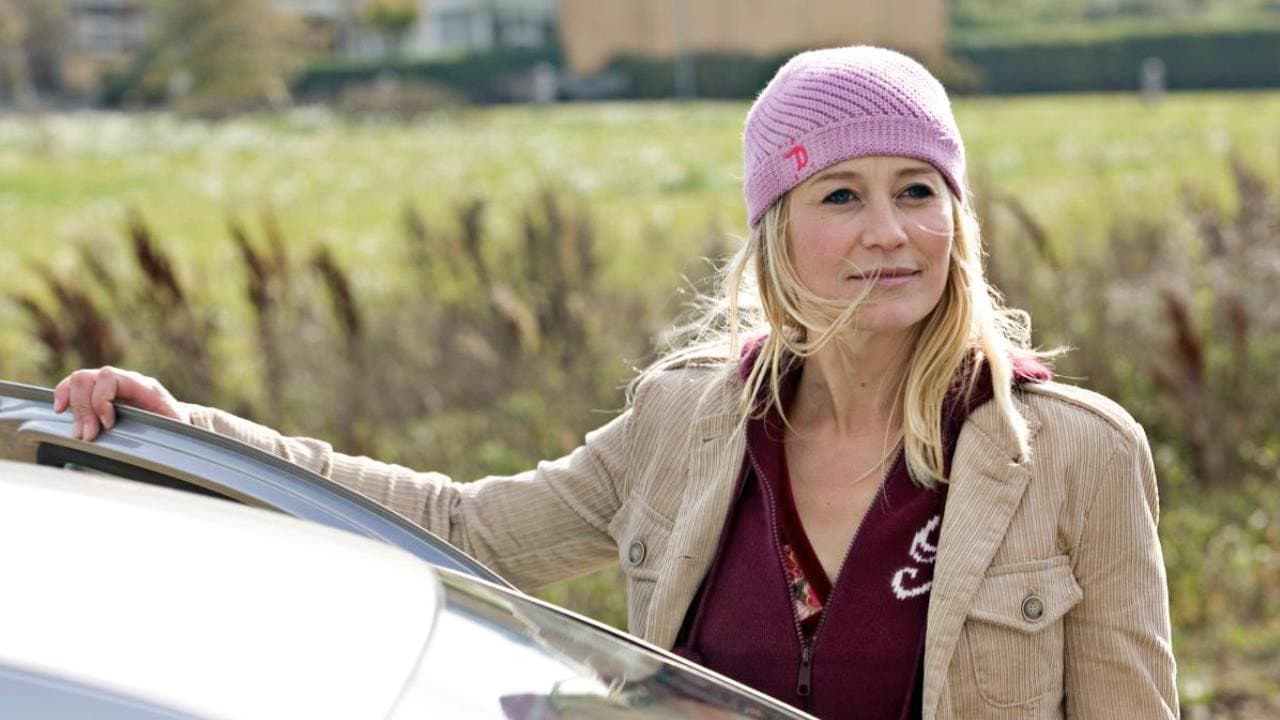
Flies on the Wall follows My Larsen, a documentarian in her early thirties with a sharp edge and a talent for provocation. She's the kind of filmmaker who doesn't just observe—she challenges, prods, and asks the questions nobody wants to answer. When she accepts an assignment to document life in Ravnsborg, a conservative township, it seems like straightforward work. A quiet place. Ordinary people. A chance to capture something real. But what My discovers beneath the surface isn't what she expected. There's something rotten in this small town, and someone—or perhaps everyone—is working hard to keep it hidden. The deeper she digs, the more dangerous her position becomes. What started as a documentary project transforms into a fight for survival.
Behind the making of Flies on the Wall
Flies on the Wall is a 2005 Danish production from Nordisk Film Denmark, the country's largest film production company with a track record spanning over a century. The film runs 92 minutes and operates squarely in the thriller genre, blending the documentary-within-a-narrative framework with traditional suspense mechanics. Danish cinema of the early 2000s was experiencing a creative resurgence, and this film sits within that context—a period when Nordic noir and psychological thrillers were beginning to gain international attention, though this particular title didn't achieve mainstream crossover success. The production values reflect a mid-budget European thriller sensibility: focused performances, intimate locations, and an emphasis on psychological tension over spectacle. While Flies on the Wall didn't become a major box-office draw or sweep awards seasons, it represents the kind of character-driven genre work that Movie OTT catalogues for viewers hunting beyond the obvious streaming picks. The film's modest IMDb rating of 5.2/10 suggests mixed audience reception, though critical consensus on Nordic films of this era often shifted as they found their audience through streaming platforms and retrospective discovery.
What makes Flies on the Wall stand out
What's striking about Flies on the Wall is its commitment to the claustrophobic perspective. We're trapped with My—frustrated by her, maybe, but trapped nonetheless. The film doesn't ask us to like her; it asks us to follow her into a situation that grows increasingly untenable. That's a harder sell than straightforward heroism, and it's part of why the film divides viewers. The performance work anchors everything. Without an actor willing to play someone genuinely abrasive and self-centered rather than a softened "flawed protagonist," the whole thing collapses. My isn't likable. She's brilliant and driven and completely willing to sacrifice her own safety for a story—which is either admirable or reckless depending on your perspective. The thriller machinery kicks in gradually. There's a real sense that the town's residents are closing ranks, that each conversation with locals becomes more guarded, that friendly faces conceal hostile intent. It's less about jump scares or explicit violence and more about the creeping realization that you're in a place where the rules have changed and nobody's going to explain them to you. I keep coming back to how the film uses the documentary conceit: My's camera becomes both her tool and her liability. People perform for it. They hide from it. It marks her as an outsider in ways she doesn't fully grasp until it's almost too late. That's genuinely unsettling if you're willing to sit with it.
Where to stream Flies on the Wall online
Flies on the Wall is currently available across major OTT services, making it accessible to anyone with a streaming subscription. Rather than hunting through fragmented catalogs, Movie OTT tracks current streaming availability across platforms—just check the "Where to Watch" widget at the top of this page to see exactly which services have it right now. Streaming rights shift regularly, so what's available today might move next month, which is why having a reliable aggregator saves you the frustration of searching five different apps only to find the film's moved again. The 92-minute runtime makes it a manageable evening watch, and the streaming format suits a thriller that relies on psychological tension rather than theatrical spectacle.
Frequently asked questions
Q: Who directed Flies on the Wall?
Flies on the Wall was directed by a Danish filmmaker working within the Nordisk Film Denmark system in 2005, during a period of creative output from the Nordic region that would eventually help establish the region's reputation for psychological thrillers and character-driven drama.
Q: Is Flies on the Wall based on a true story?
No, Flies on the Wall is a fictional thriller. The plot about a documentarian uncovering a conspiracy in a small town is an original story created for the film, though it draws on common anxieties about small-town secrets and the dangers of asking too many questions.
Q: What's the runtime of Flies on the Wall?
The film runs 92 minutes, making it a relatively compact thriller that doesn't overstay its welcome.
Q: Where can I watch Flies on the Wall?
Flies on the Wall is available on major OTT platforms. Check the "Where to Watch" widget on this page for current availability in your region, as streaming rights vary by location and change frequently.
Q: Why does Flies on the Wall have a low IMDb rating?
The film's 5.2/10 IMDb rating reflects mixed audience response—some viewers find its slow-burn approach and unsympathetic protagonist engaging, while others find it frustrating or underdeveloped. Critical reception and audience reception don't always align, especially for character-driven thrillers that demand patience.
Final thoughts on Flies on the Wall
Flies on the Wall won't be for everyone. It's deliberately paced, morally ambiguous, and built around a protagonist you're not meant to root for—just follow. But if you're drawn to psychological thrillers that trust their audience to sit with discomfort, if you appreciate Nordic cinema's particular brand of understated menace, or if you're simply looking for something that doesn't announce itself loudly, it's worth the 92 minutes. The film operates on the assumption that the most terrifying thing isn't a jump or a revelation—it's the slow realization that you've walked into a place where the normal rules don't apply and nobody's going to help you back out.