






The Story of Freeze Me: Survival and Reckoning
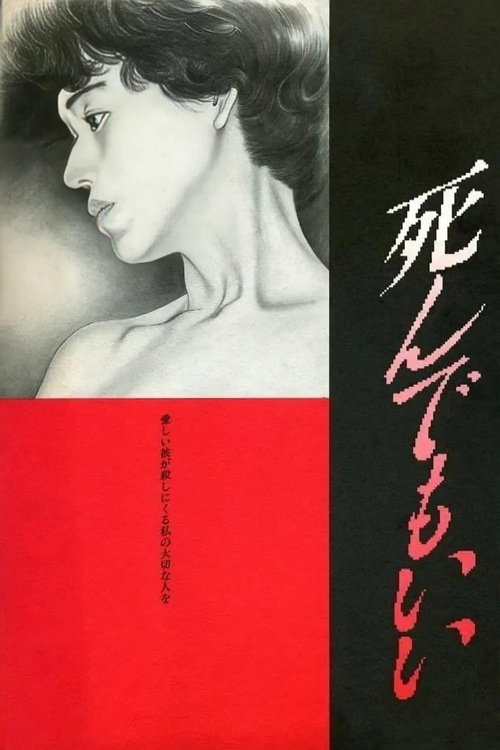
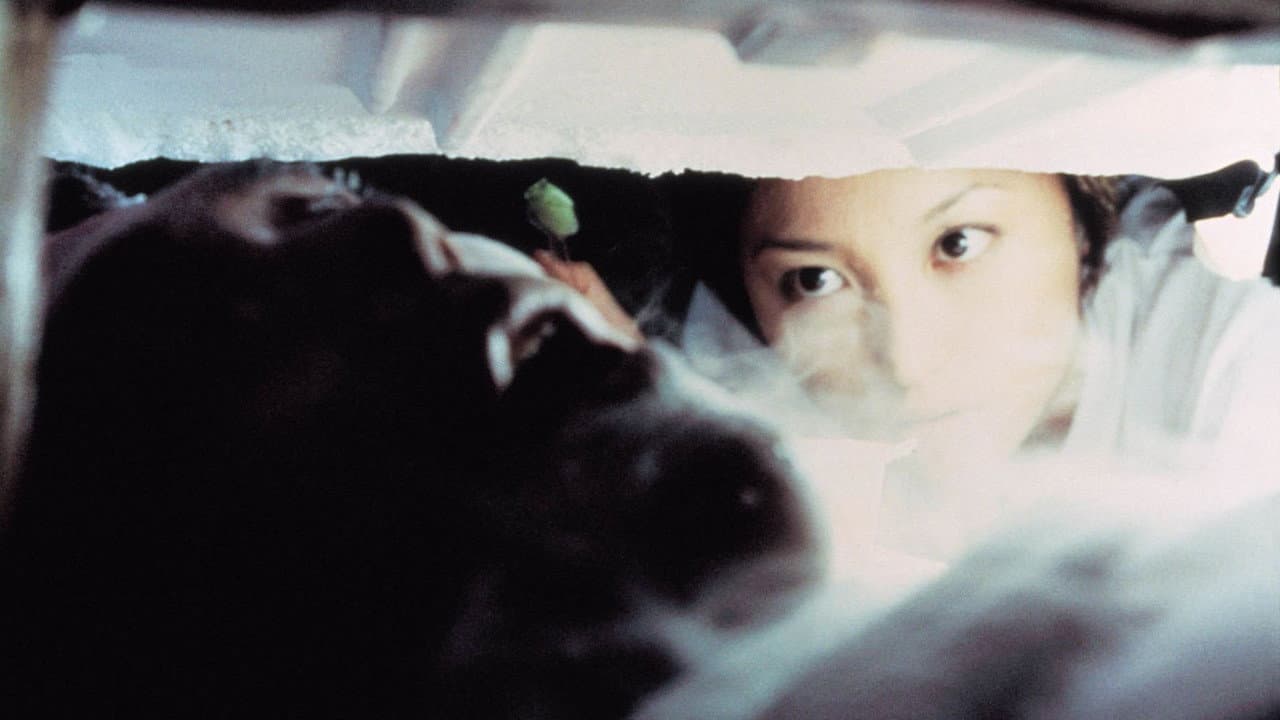
Freeze Me tells the story of Chihiro, a woman trying to rebuild her life five years after a brutal gang rape. She's managed to construct something resembling normalcy—a quiet existence, a routine, some semblance of peace. Then one of her attackers shows up at her apartment. What unfolds is a narrative about trauma, survival, and the question of whether justice can ever truly be served through revenge. Director Takashi Ishii doesn't shy away from the violence or the moral ambiguity at the film's core. The 101-minute runtime moves with deliberate intensity, building tension that never quite releases until the film's final, chilling moments.
Behind the Making of Freeze Me: Production and Cast
Freeze Me emerged from a collaboration between production companies KSS, Nikkatsu Corporation, and ファム・ファタル in 2000, a time when Japanese cinema was increasingly willing to tackle transgressive subject matter head-on. Director Takashi Ishii, known for his willingness to explore darker psychological territory, brought a distinctive visual and narrative approach to the material. The film stars Harumi Inoue as Chihiro, and her performance carries the entire weight of the picture—she's on screen for nearly every moment, and the film lives or dies on her ability to convey both vulnerability and cold calculation. The production design emphasizes confinement; much of the film takes place within Chihiro's apartment, transforming domestic space into something claustrophobic and threatening. While Freeze Me didn't achieve massive box-office success in the Western market, it found an audience among critics and genre enthusiasts who appreciated its willingness to treat revenge not as cathartic fantasy but as psychological damage. The film currently holds a 5.8/10 rating on IMDb, a score that reflects the polarized nature of its reception—some viewers find it essential cinema, others find it exploitative, and that tension is precisely what makes it worth discussing.
What Makes Freeze Me Stand Out: Performance and Craft
What's striking about Freeze Me is how it refuses to let the audience off the hook morally. Ishii could have made a straightforward revenge fantasy, but instead he creates something far more complicated and disturbing. Harumi Inoue's performance is the engine that drives this discomfort—she plays Chihiro with a kind of eerie calm that's far more unsettling than hysteria would be. The thing nobody mentions is how the film's structure actually mirrors trauma itself: repetition, intrusion, the way past violence doesn't stay buried. When her attackers return, the film doesn't allow us to cheer uncomplicated revenge. Instead, it forces us to sit with Chihiro as she methodically plans her response, and we're left uncertain whether we're watching justice or the perpetuation of a cycle. The cinematography is deliberately cold and clinical, stripping away any romantic notions of vengeance. Ishii understands that real trauma doesn't resolve neatly, and neither does this film. It's a work that demands something from its audience—not just passive consumption, but active moral reckoning. If you're looking for thoughtful analysis of how contemporary films handle these themes, Movie OTT tracks how streaming platforms are increasingly making space for challenging international cinema that refuses to simplify its subject matter.
Where to Stream Freeze Me Online
Freeze Me is currently available on major OTT services, and the "Where to Watch" widget at the top of this page will show you exactly which platforms are carrying it right now. Streaming availability shifts constantly, so checking that widget before you hit play is always the smart move. Movie OTT aggregates real-time data across multiple services, so you'll know whether it's on your subscription or if you need to rent it. The film's availability varies by region, so if you're outside Japan or major Western markets, you may need to check your local streaming services or consider importing a physical copy—it's worth the effort if you're serious about exploring challenging international horror and thriller cinema.
Frequently asked questions
Q: Who directed Freeze Me?
Takashi Ishii directed Freeze Me. He's a Japanese filmmaker known for exploring dark psychological themes and transgressive subject matter. Ishii brings a distinctive visual style to the revenge narrative, emphasizing psychological tension over spectacle.
Q: Is Freeze Me based on a true story?
No, Freeze Me is not based on a true story. It's an original screenplay that uses the rape-revenge framework as a vehicle to explore trauma, survival, and moral ambiguity. The film is a work of fiction, though it engages with real issues surrounding sexual violence and justice.
Q: What's the runtime of Freeze Me?
Freeze Me runs 101 minutes, which gives director Takashi Ishii enough time to build tension methodically and avoid rushing through the psychological complexity of his protagonist's situation.
Q: What genres does Freeze Me fit into?
Freeze Me is classified as drama, horror, and thriller. It blends elements of all three—the psychological horror of trauma, the thriller mechanics of suspense and planning, and the dramatic weight of character study.
Q: Where can I watch Freeze Me right now?
Check the "Where to Watch" widget at the top of this page to see current streaming availability on major OTT platforms. Availability changes frequently depending on your region and which services hold licensing rights.
Final Thoughts on Freeze Me
Freeze Me isn't comfortable viewing, and it doesn't want to be. It's a film that respects its audience enough to refuse easy answers, to make us complicit in Chihiro's choices without offering moral absolution. That's rare. For viewers interested in how international cinema tackles trauma and revenge without flinching, this 2000 Japanese thriller deserves serious consideration. It's challenging, sometimes difficult to watch, but undeniably powerful—exactly the kind of film that stays with you long after the credits roll.