







The Story of Grave of the Fireflies: Survival in Wartime Japan
Grave of the Fireflies follows Hisako, a single mother whose life shatters when Allied bombing destroys her Tokyo home. With her husband fighting somewhere across Asia, she evacuates with her two children to a relative's house in suburban Kobe, hoping for safety. That refuge doesn't last. When Kobe itself becomes a bombing target and her cousin Kyoko is killed in the raids, Hisako finds herself responsible not only for her own children but for Kyoko's two orphaned kids as well. The household stretches thin. Food becomes scarce. What unfolds isn't a story of heroic survival, but something far more uncomfortable—a portrait of ordinary people watching their humanity erode under impossible pressure.
Behind the Making of Grave of the Fireflies: A Memorial to War's End
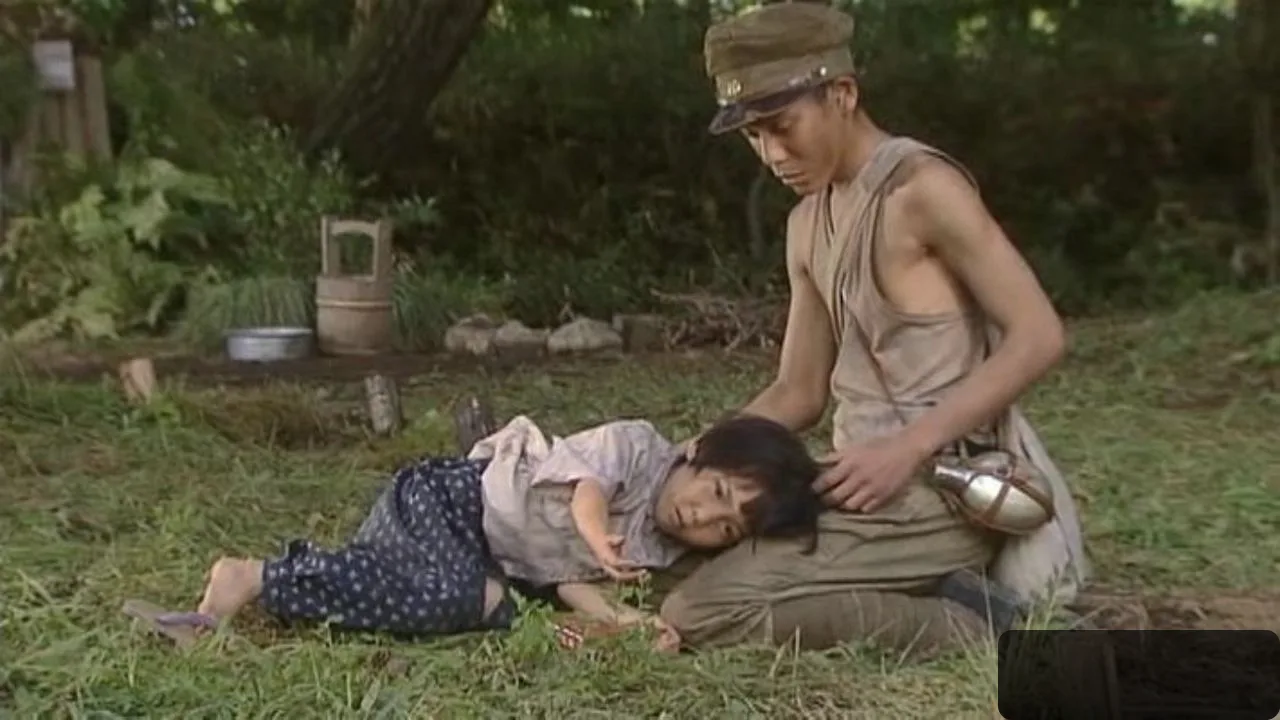
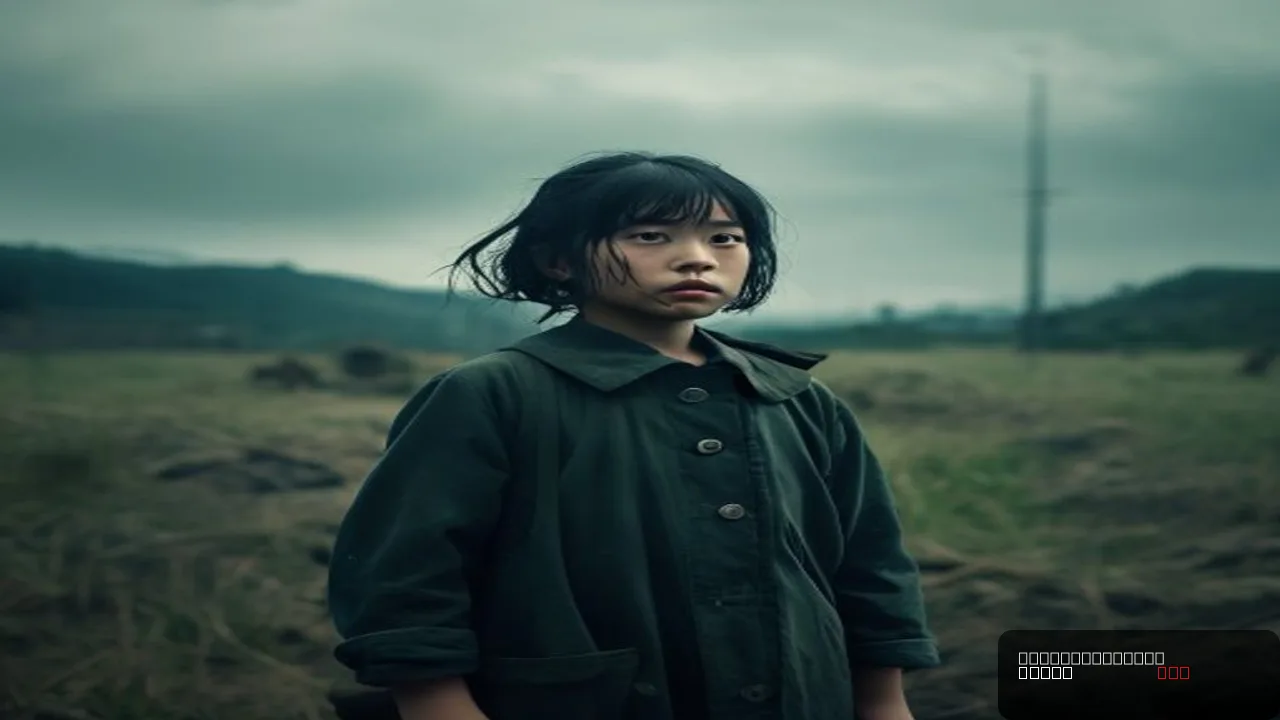
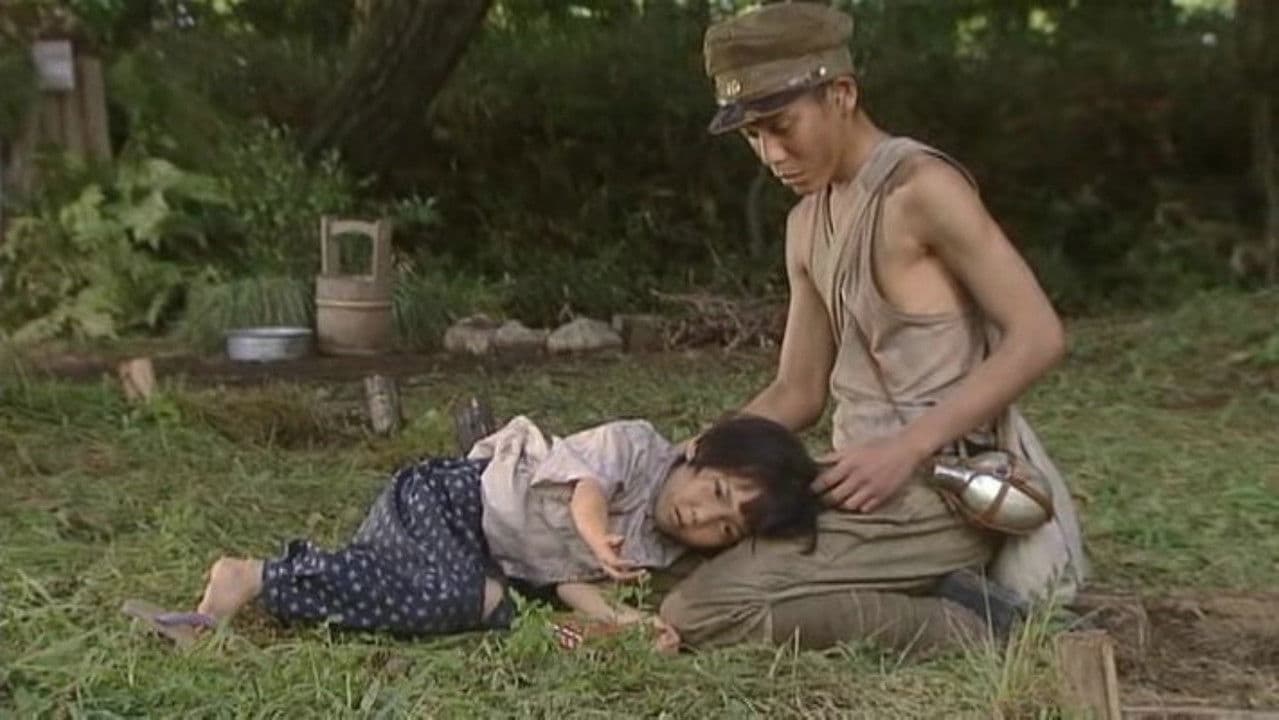
This live-action drama was produced by Nippon Television Network Corporation in 2005, specifically commissioned to commemorate the 60th anniversary of the end of World War II. It aired on November 1, 2005, marking a significant moment in Japanese television's approach to wartime storytelling. The film's dual narrative structure—focusing not just on the two siblings Seita and Setsuko, but equally on their aunt's perspective—sets it apart from other adaptations. Nanako Matsushima carries the weight of the piece as the aunt, while Mao Inoue takes on a dual role as both the cousin and the cousin's granddaughter, a framing device that adds temporal depth to the narrative. At 148 minutes, the runtime allows the filmmakers space to breathe, avoiding the trap of rushing through moments that demand patience and silence. The production reflects a deliberate artistic choice: rather than focusing solely on the children's experience, the story examines how war warps everyone it touches, turning a kind woman into someone hardened by necessity.
What Makes Grave of the Fireflies Stand Out in Wartime Drama
What's striking about this adaptation is how it refuses to let viewers settle into a comfortable emotional position. You want to sympathize with Hisako—and you do—but the film doesn't let that sympathy become simple. She's not a villain, yet her decisions, born from desperation and the need to keep her own children alive, carry a moral weight that lingers. The performances anchor this ambiguity. Matsushima doesn't play the aunt as a villain or a saint; she plays her as a woman making choices, each one slightly worse than the last, each one understandable and each one tragic. The IMDb rating of 7.922/10 reflects an audience that recognizes the film's emotional power while grappling with its refusal to offer easy catharsis. What Movie OTT viewers often note is that this isn't a film designed to feel good—it's designed to feel true. The starvation, the firebombing, the sibling bond tested by hunger and grief: these aren't plot devices but the actual texture of the story. I keep coming back to how the film handles the relationship between the two siblings; it's neither sentimentalized nor cynical, just two children trying to understand a world that's killing them.
How to Stream Grave of the Fireflies Online
Grave of the Fireflies is currently available on major OTT services, and Movie OTT tracks its streaming availability across platforms to help you find it wherever you subscribe. The 148-minute runtime means you'll want to carve out a dedicated evening—this isn't a film for half-attention or multitasking. Check the Where to Watch widget at the top of this page for the most current list of platforms carrying the title in your region. Availability can shift seasonally, so if you're planning to watch, it's worth confirming your preferred service has it in stock before settling in.
Frequently asked questions
Q: Is Grave of the Fireflies based on a true story?
The film is an adaptation of an existing narrative about the Seita and Setsuko siblings, though it reimagines their story through a live-action lens. The events depicted—the bombing of Kobe, the starvation, the displacement of families—are rooted in the historical reality of Japan's final year of World War II.
Q: Who directed Grave of the Fireflies?
The film was produced by Nippon Television Network Corporation and aired as a TV drama in 2005. It represents a significant production effort to mark the 60th anniversary of the war's end.
Q: How long is Grave of the Fireflies?
The film runs 148 minutes, giving the narrative ample room to develop its characters and explore the moral complexities of survival under wartime conditions.
Q: What's the difference between this version and the anime?
Unlike the animated version, this live-action adaptation tells the story partly from the perspective of the aunt, Hisako, and explores how the war transforms her from a compassionate woman into someone hardened by desperation and scarcity.
Q: Is this film appropriate for all ages?
The film deals with starvation, death, and the psychological toll of war on children. It's a serious, emotionally demanding drama—not a film for young viewers, and one that requires emotional maturity from adult audiences as well.
Final Thoughts on Grave of the Fireflies
Grave of the Fireflies doesn't offer comfort or resolution in any traditional sense. It offers something rarer: honesty. The film sits with its characters in their suffering without looking away, and it refuses to let the audience off the hook with sentiment or easy answers. That's what makes it matter. If you're looking for a war film that challenges rather than confirms your assumptions about heroism and survival, this is it. Stream it when you're ready to be changed by what you watch.