




The story of Handling the Undead
On a sweltering summer day in Oslo, the impossible happens. The dead simply wake up. No explanation, no warning—they just return, and suddenly three families are thrown into absolute chaos trying to make sense of their resurrected loved ones. What starts as a premise you'd expect from a typical zombie thriller quickly reveals itself to be something far more unsettling: a story about grief, about what we'd do to have one more day with someone we've lost, and about whether getting that wish is actually a mercy or a curse. Handling the Undead doesn't announce its intentions loudly. Instead, it builds dread slowly, methodically, asking uncomfortable questions about love, obligation, and the boundaries between the living and the dead.
The film doesn't traffic in jump scares or gore—at least not in the way you might expect from the horror label. What it does is create an atmosphere of profound unease, where the real horror isn't what the resurrected do, but what the living feel compelled to do in response. It's a premise that demands patience from viewers, and that's where the conversation around this film gets interesting.
Behind the making of Handling the Undead
Handling the Undead arrived in 2024 as a Norwegian-Greek-Swedish co-production, directed by Thea Hvistendahl from a screenplay she co-wrote with John Ajvide Lindqvist, the author of the source novel and the mind behind Let the Right One In. That pedigree matters—Lindqvist has a track record of taking genre premises and using them to explore deeply human emotional terrain, and Hvistendahl brings that same sensibility to the screen.
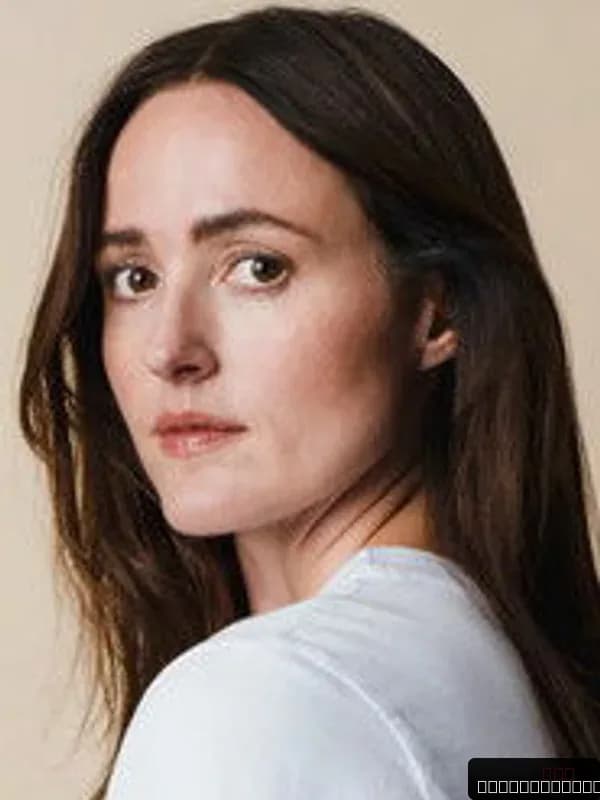
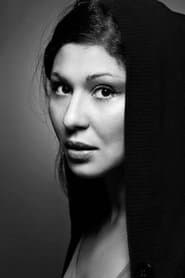
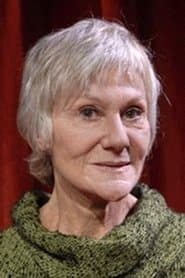
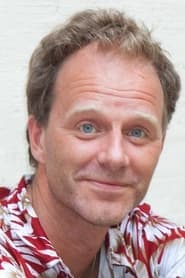
The cast is anchored by Renate Reinsve, a powerhouse performer whose work in Thelma and The Worst Person in the World has earned her international recognition. She's joined by Bjørn Sundquist, Bente Børsum, and Anders Danielsen Lie, all accomplished Norwegian actors who bring weight to what are fundamentally intimate, domestic scenes. The production itself—a collaboration between Einar Film, Filmiki Etairia, Zentropa International Sweden, Film i Väst, and the Greek Film Centre—represents the kind of European co-financing that allows ambitious, character-driven horror to exist outside the studio system.
The film's runtime clocks in at 98 minutes, which might sound lean until you actually watch it—those minutes stretch, and for some viewers, that's the entire problem. Box office returns were modest at $26,208, the kind of number that tells you this was never a commercial play. What's more interesting is the critical response: Rotten Tomatoes gave it a 75% Fresh rating, while Metascore landed at 70/100, suggesting that critics found something worthwhile even if audiences remained divided. The film earned 8 wins and 10 nominations at various festivals and awards bodies, a respectable haul for an unconventional horror film.
What makes Handling the Undead stand out
What's striking is the gap between critical and audience reception—and that gap tells you something important about what this film is attempting. Critics appreciated the craft, the performances, and the willingness to treat resurrection as an emotional problem rather than a plot mechanism. The cinematography is deliberately composed, the score (which reviewers kept mentioning) creates a genuinely haunting atmosphere, and the performances feel lived-in, messy, human in ways that don't always read as "good acting" in the traditional sense.
But here's where it gets complicated. Some viewers found the pacing glacial—and they're not wrong. This isn't a film that moves. It sits with discomfort, lets scenes breathe (sometimes past the point where you'd like them to), and refuses to provide easy catharsis or clear answers. One reviewer noted that even at quadruple speed on their streaming player, the film felt excruciatingly slow, which is either a damning indictment or proof of concept, depending on your tolerance for deliberate cinema.
The thing that keeps coming up is the ending—viewers describe it as bizarre, haunting, and somehow both inevitable and unsatisfying, which might be exactly the point. Lindqvist and Hvistendahl aren't interested in neat resolution. They're interested in the ways grief doesn't resolve, the ways love becomes complicated when the object of that love returns wrong, changed, or simply not what you remembered. The performances anchor this—especially Reinsve's ability to convey emotional turbulence through stillness, the way she can hold a look that contains five contradictory feelings at once.
Where to stream Handling the Undead online
Handling the Undead is currently available on major OTT services, and you can check the Where to Watch widget at the top of this page to see exactly which platforms are carrying it in your region right now. Streaming availability shifts constantly—what's on one service today might move next month—so Movie OTT keeps track of where films land as distribution deals evolve. Since this is a relatively recent release from a smaller European production, it's worth checking multiple platforms; it may not be on the biggest services everywhere, but it's out there.
The good news is that you don't need to hunt through physical media or wait for a theatrical re-release. The film is accessible if you want to see it, which is more than we could say for plenty of interesting international horror just a few years ago. Stream it on a good TV if you can—the cinematography deserves that treatment.
Frequently asked questions
Q: Who directed Handling the Undead?
Thea Hvistendahl directed the film, with a screenplay she co-wrote with John Ajvide Lindqvist, who also wrote the novel it's based on. Lindqvist is best known for Let the Right One In, another Scandinavian horror-drama that prioritizes character and atmosphere over scares.
Q: Is Handling the Undead based on a book?
Yes, it's adapted from a novel of the same name by John Ajvide Lindqvist. The book explores similar themes of grief and resurrection, and Lindqvist's involvement in the screenplay helped preserve that emotional focus.
Q: What's the runtime of Handling the Undead?
The film runs 98 minutes, which sounds reasonable until you're watching it—the pacing is deliberate, and those 98 minutes can feel longer depending on your patience for slow-burn horror.
Q: Is Handling the Undead actually scary?
It's not a jump-scare film or a gore fest. The horror comes from atmosphere, from the wrongness of the situation, and from the emotional weight of confronting loss. If you're looking for traditional scares, you might be disappointed; if you want psychological unease, you're in the right place.
Q: What did critics think of Handling the Undead?
Critics were generally more positive than audiences. Rotten Tomatoes gave it 75% Fresh, and Metascore rated it 70/100, suggesting appreciation for the craft and ambition even among those who found the pacing challenging. It earned 8 festival wins and 10 nominations overall.
Final thoughts on Handling the Undead
Handling the Undead isn't for everyone, and it knows that. It's a film that trusts its audience to sit with discomfort, to accept that some questions don't have answers, and to find horror not in monsters but in the complicated love we feel for people we've lost. If you're drawn to Scandinavian cinema, to character-driven horror, or to stories that treat genre premises as emotional vehicles rather than plot mechanics, it's worth your time. If you need constant momentum and clear resolutions, you'll likely bounce off hard. That's not a flaw—it's just honest about what kind of film this is.