






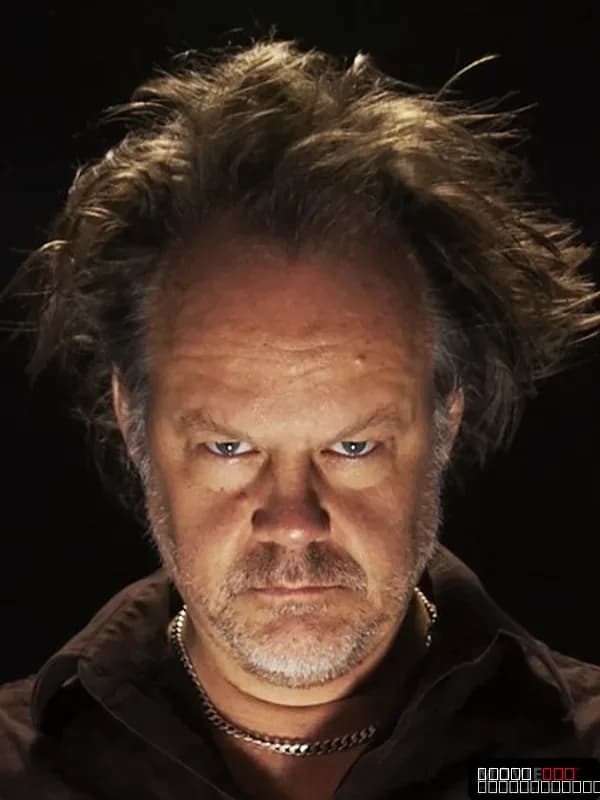

What Headspace Is About
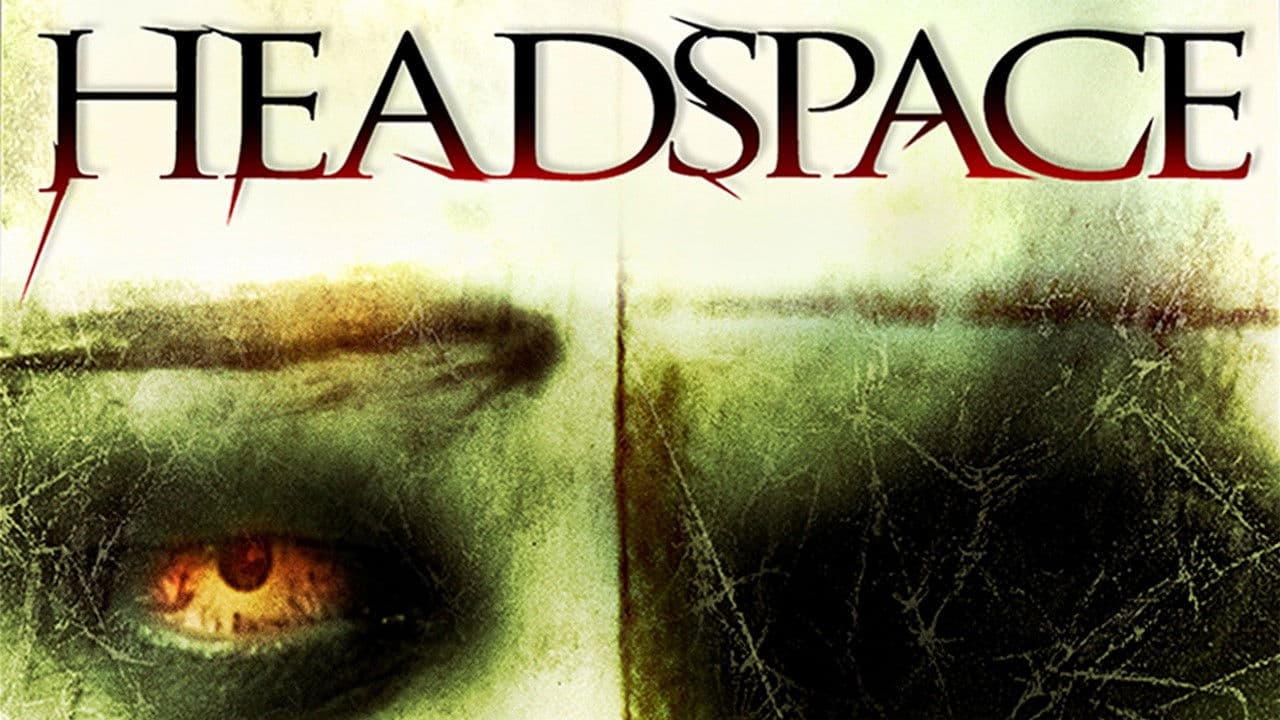
Headspace tells the story of Alex Borden, a 25-year-old man whose life takes an unsettling turn after a chance encounter with a mysterious stranger. What begins as an unusual meeting becomes something far more sinister—his intellect begins to expand at an impossible rate, and with each leap in cognitive ability comes a creeping dread. Parallel to his transformation, a series of brutal murders begins to unfold in his world, and the line between observer and participant grows increasingly blurred. The film's central tension isn't just about solving a mystery; it's about whether Alex is becoming the genius the stranger intended him to be, or if something darker has already taken root in his consciousness.
Behind the Making of Headspace
Headspace emerged in 2005 as a collaboration between director Andrew van den Houten and screenwriters Steve Klausner and William M. Miller, working from a story by Troy McCombs. The production came together through Modernciné and Freestyle Releasing, bringing a cast that mixed established character actors with rising talent. Christopher Denham carries the film as Alex, a performer known for intensity and psychological vulnerability—exactly what the role demanded. The ensemble includes Olivia Hussey, William Atherton, and Sean Young, names that immediately signal the film's ambition to operate at a certain dramatic level. The picture also features cameos from genre veterans Dee Wallace, Mark Margolis, and Udo Kier, each lending credibility to the film's darker corners.
At 89 minutes, Headspace doesn't waste time on exposition—it trusts the audience to keep pace with its protagonist's accelerating mental state. The film arrived during a period when psychological horror and sci-fi thrillers were competing for attention in an increasingly fragmented theatrical landscape, which likely contributed to its modest commercial footprint. Yet the craft on display—the way van den Houten builds dread through suggestion rather than jump-scares—suggests a filmmaker thinking seriously about how to make intellectual horror tangible and visceral. The IMDb rating of 5.067 reflects a film that's divisive, which isn't always a bad thing; divisive often means it's actually trying to do something.
Why Headspace Stands Out in Psychological Horror
What's striking about Headspace is how it refuses the easy route of making the expanded mind a gift. Instead, it treats heightened intelligence as a kind of curse—or worse, a trap. The film understands something that a lot of thrillers don't: that the scariest thing isn't a masked killer or a supernatural entity, but the possibility that you yourself might be complicit in something horrible without fully understanding how you got there. Christopher Denham's performance captures this uncertainty brilliantly. You can see the moment his character realizes that his expanding intellect might not be helping him solve the mystery—it might be making him part of it. That's genuinely unsettling.
The tagline—"Evil has many faces"—hints at the film's refusal to present villainy as something you can easily identify and defeat. Evil here is intimate, psychological, maybe even contagious through proximity. The screenplay doesn't spell everything out, which some viewers find frustrating and others find refreshing. There's a willingness to leave ambiguity hanging in the air, to suggest that understanding something intellectually doesn't mean you can control it or escape it. I keep coming back to that central conceit: what if the person trying to help you expand your mind is actually the threat? The film commits to that paranoia without flinching.
Where to Stream Headspace Online
Headspace is currently available on major OTT services, and you can check the Where to Watch widget at the top of this page to see exactly which platforms are carrying it in your region right now. Streaming availability shifts frequently, so Movie OTT keeps a real-time tracker of where this 2005 thriller is currently accessible—whether that's subscription services, rentals, or purchase options. Since it's nearly two decades old, it's cycled through various platforms over the years, and it's worth checking your usual streaming apps first before hunting elsewhere. The 89-minute runtime makes it an easy fit for a weeknight watch if you've got access.
Frequently asked questions
Q: Who directed Headspace?
Andrew van den Houten directed the film, working with screenwriters Steve Klausner and William M. Miller on a story by Troy McCombs. It was van den Houten's approach to building psychological dread through suggestion rather than spectacle that gives the film its distinctive tone.
Q: Is Headspace based on a true story?
No, Headspace is a fictional psychological thriller. The story was created specifically for the film and isn't drawn from real events, though its exploration of paranoia and intellectual expansion touches on themes that feel uncomfortably plausible.
Q: What's the runtime of Headspace?
The film runs 89 minutes, making it a tight, economical thriller that doesn't linger on exposition. That brevity actually works in its favor—there's nowhere to hide from the mounting tension.
Q: What genres does Headspace blend?
Headspace operates at the intersection of horror, science fiction, and thriller. It's not a slasher, not quite a supernatural film, and not purely cerebral—it's a hybrid that tries to make intellectual dread feel physically threatening.
Q: Where can I watch Headspace right now?
Check the Where to Watch widget at the top of this page for current streaming availability in your region. Movie OTT tracks which platforms are currently offering Headspace, whether through subscription, rental, or purchase.
Final Thoughts on Headspace
Headspace won't be for everyone—it's deliberately ambiguous, occasionally slow-burn, and more interested in creating unease than providing answers. But if you're drawn to psychological thrillers that trust their audience and aren't afraid to leave loose threads dangling, it's worth seeking out. The film's real strength lies in its refusal to make anything easy: not the plot, not the morality, not even the ending. That commitment to discomfort is exactly what makes it memorable.