
The Story of Highway of Tears and Canada's Forgotten Crisis
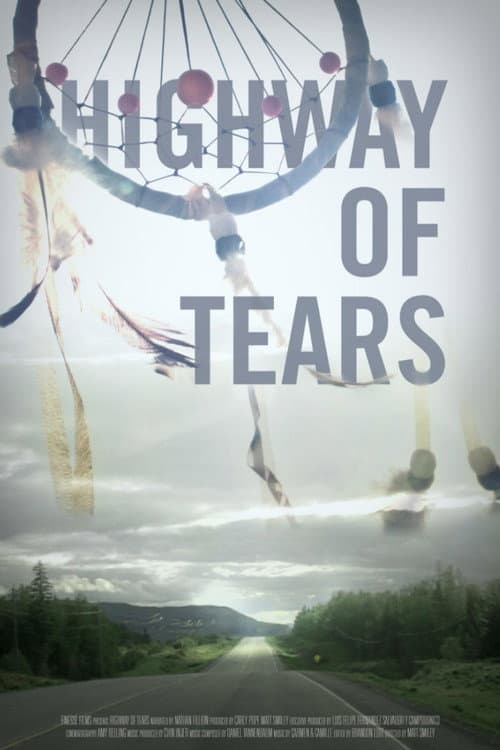
Highway of Tears is a 2014 documentary that confronts one of Canada's most haunting and persistent crises: the disappearance and murder of Indigenous women. Since the 1960s, more than 500 cases of Aboriginal women have gone missing or been murdered across the country, yet half of these cases remain unsolved. The film doesn't just catalog statistics—it follows the determined work of First Nation leaders and advocates who are fighting to shift the balance of power, demand accountability, and bring closure to families left behind. Directed by Matt Smiley and narrated by Nathan Fillion, this 76-minute documentary zeroes in on the notorious cases connected to British Columbia's Highway 16, a stretch of road that's become synonymous with tragedy and the failures of law enforcement to protect vulnerable Indigenous communities.
Behind the Making of Highway of Tears and Its Documentary Approach
Highway of Tears arrived in 2014 as a Canadian production from Finesse Films, bringing together Smiley's direction and Fillion's narration to tell a story that mainstream media had largely ignored or minimized. The film's runtime of just 76 minutes is deceptively lean—Smiley packs substantial investigative work and emotional weight into that span, avoiding the bloat that can sometimes plague true-crime documentaries. While the film doesn't carry major awards or widespread theatrical box-office recognition (it's a documentary with limited theatrical reach), its impact has been measured in a different currency: raising awareness about a crisis that disproportionately affects First Nations communities and forcing conversations that Canadian institutions would rather avoid. The documentary's modest IMDb rating of 5.4/10 reflects the difficulty of the subject matter and varying viewer expectations—some come looking for a polished true-crime narrative, while others engage with it as a piece of advocacy journalism. That gap between entertainment and activism is part of what makes Highway of Tears worth examining on its own terms.
What Makes Highway of Tears Stand Out as Advocacy Cinema
What's striking about Highway of Tears is that it refuses to sensationalize its subject. This isn't a slick Netflix crime procedural designed to make disappearances feel like puzzles to solve for entertainment. Instead, Smiley centers the voices of families, community leaders, and Indigenous activists who've been fighting for recognition and justice for decades—people whose frustration with institutional indifference comes through in every interview. The film's real power lies in how it documents the systemic failures: how Indigenous women are stereotyped as transient or high-risk, how police investigations are delayed or deprioritized, how a woman can vanish along a highway and the response is, all too often, a shrug. I keep coming back to the way the documentary doesn't need dramatic reconstruction or cinematic flourishes to hit hard—the facts alone, presented plainly alongside the testimony of people who've lived this nightmare, do the work. What nobody mentions enough is that documentaries like this one aren't made for awards or streaming algorithms; they're made because someone believes the story matters more than the metrics. That conviction shows.
Where to Stream Highway of Tears Online
Highway of Tears is currently available on major OTT services, and you can check the "Where to Watch" widget at the top of this page to see which platforms carry it in your region right now. Streaming availability varies by country and changes regularly, so Movie OTT tracks current availability across the major services to help you find it without hunting through multiple apps. The documentary's presence on multiple platforms is important—it means the film isn't locked behind a paywall that only wealthy viewers can access, which feels especially significant for a story about marginalized communities. If you're researching this topic or want to share it with others, knowing where it's available makes the conversation easier to start.
Frequently asked questions
Q: Is Highway of Tears based on a true story?
Yes. The documentary covers real cases of missing and murdered Indigenous women in Canada, particularly those connected to British Columbia's Highway 16. The film documents actual investigations and features interviews with families and First Nation leaders working on these cases.
Q: Who directed Highway of Tears and who narrates it?
Matt Smiley directed the documentary, and it's narrated by actor Nathan Fillion. Fillion's involvement brought some mainstream recognition to a story that often gets overlooked by larger media outlets.
Q: How long is Highway of Tears?
The documentary runs 76 minutes, making it a focused and lean examination of the crisis rather than an extended deep-dive. That brevity doesn't diminish its impact—if anything, it keeps the focus sharp on what matters most.
Q: Why are there so many unsolved cases of missing Indigenous women in Canada?
The documentary explores systemic factors including police indifference, stereotyping of Indigenous women as high-risk, underfunded investigations, and broader institutional racism. It's not a mystery—it's a failure of institutions designed to protect all citizens equally.
Q: Where can I watch Highway of Tears?
The film is available on major streaming platforms. Check the "Where to Watch" widget on this page, or visit Movie OTT to see current availability in your area.
Final Thoughts on Highway of Tears
Highway of Tears isn't easy to watch, and it's not meant to be. But that's precisely why it matters. The documentary refuses to let viewers treat this crisis as background noise or a sad statistic filed away in a news archive. Instead, it demands attention and action—asking viewers to care about women whose names most of us will never know, whose families have waited decades for answers that institutions have failed to provide. If you're interested in true-crime storytelling, Indigenous rights, or just understanding a major blind spot in Canadian society, this film deserves your time.