


The Story of Kanchivaram
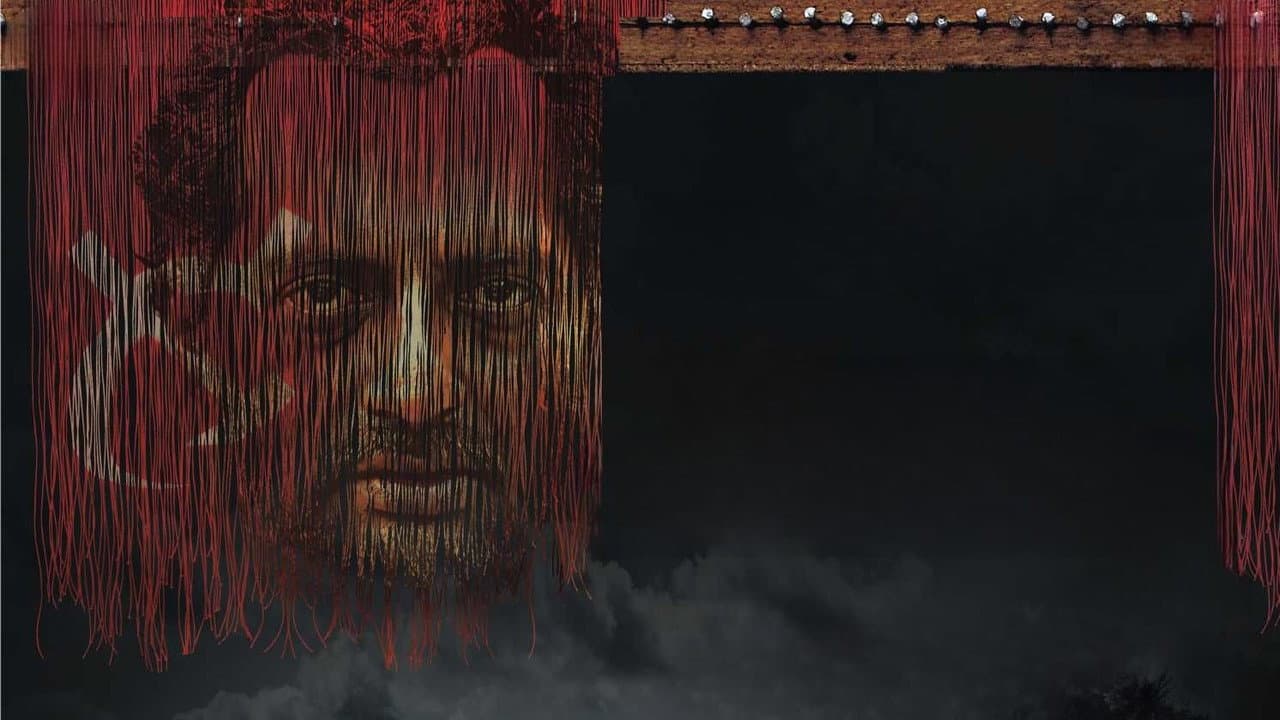
Kanchivaram opens with a humble promise—one man's vow to his newborn daughter that she'll wear a silk saree on her wedding day. Sounds simple enough. But in the cramped, exhausting world of Kanchipuram's silk-weaving community, that promise becomes an anchor, a burden, and ultimately a statement about what it means to hold onto dignity when the world conspires against you. The film follows this weaver through years of backbreaking labor, economic collapse, and personal sacrifice as he chases a dream that seems to slip further away with each passing season. It's not a film about triumph or redemption in the Hollywood sense—it's something rawer, more honest about how ordinary people navigate impossible circumstances.
Director Priyadarshan crafts the narrative as a period piece that feels urgently contemporary, grounding us in the lived reality of workers who've been systematically marginalized and left to survive hand-to-mouth. The weaver's struggle isn't melodramatic; it's methodical, grinding, the kind of quiet desperation that doesn't announce itself but accumulates over time. What makes the setup so compelling is that we know from the first frame what he's promised himself—and we spend the entire film watching him pursue it anyway, knowing the odds.
Behind the Making of Kanchivaram
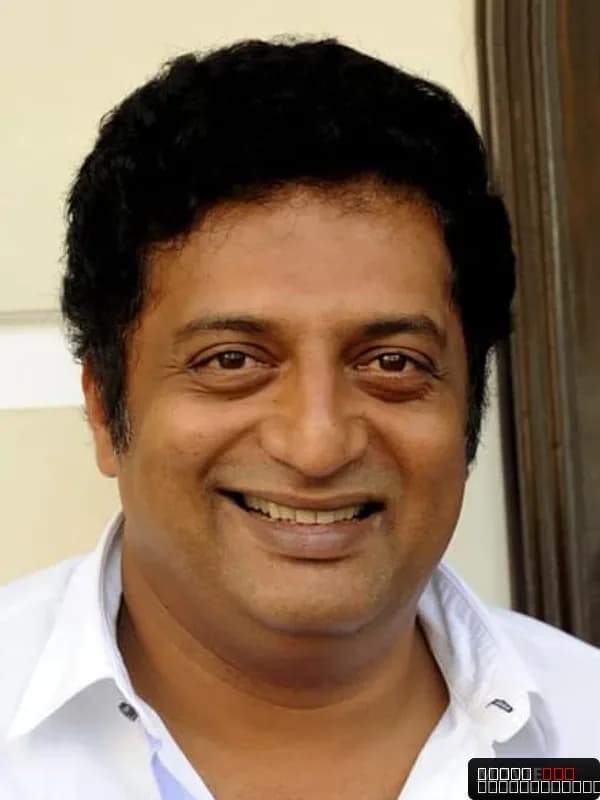
Kanchivaram arrived in 2008 as a labor of love from writer-director Priyadarshan, working with production houses Percept Picture Company and Four Frames Pictures to bring a distinctly regional story to the screen. The film stars Prakash Raj—an actor known for his intensity and range across Tamil, Telugu, Kannada, and Malayalam cinema—in the central role of the silk weaver, opposite Shriya Reddy. The supporting cast and crew reflected serious craft: cinematographer Tirru's lens captures the textures of the weaving workshops with almost tactile precision, while composer M. G. Sreekumar's score avoids sentimentality in favor of something more austere and reflective. Art director Sabu Cyril's production design reconstructs the historical setting of Kanchipuram's weaving district with meticulous attention to period detail.
At 117 minutes, the film takes its time—there's no rush, no manufactured urgency. This pacing choice is deliberate; Priyadarshan wants us to feel the rhythm of the work, the monotony and the craft intertwined. The film earned a solid 7.3 rating on IMDb, reflecting appreciation from viewers who connected with its thematic depth and performances. While it didn't become a massive box-office phenomenon, Kanchivaram found its audience among those seeking cinema that grapples with real social questions rather than providing easy answers. The film's subtitle, "A Communist Confession," signals its ideological interests upfront—this isn't a film pretending to be neutral about labor, exploitation, or collective action.
What Makes Kanchivaram Stand Out
What's striking about Kanchivaram is how it refuses to sentimentalize poverty. Prakash Raj's performance—understated, worn, carrying the weight of accumulated disappointment—anchors the entire film. He doesn't play the weaver as a hero waiting for his moment; he plays him as a man who gets up, does the work, faces setbacks, and keeps going. There's dignity in that, but it's the dignity of persistence, not triumph. The film examines systemic oppression not through speeches but through scenes: the way merchants exploit weavers' dependence, how individual initiative can't overcome structural inequality, how workers are rendered invisible by the very system that depends on their labor.
I keep coming back to how the film treats its own ending. Rather than resolving the weaver's personal arc in isolation, Kanchivaram widens its lens to show how the cooperative movement emerged to address exactly these conditions—collective action as the only real answer to individual struggle. That's not a sentimental gesture; it's a political statement embedded in narrative form. The cinematography by Tirru deserves mention here too—the silk workshops aren't romanticized as artisanal spaces but shown as cramped, labor-intensive environments where beauty emerges from exhaustion. The editing by Arun Kumar maintains a deliberate pace that mirrors the weaver's own internal clock rather than chasing audience adrenaline.
Critics and viewers who've engaged seriously with the film recognize that it's doing something less common in Indian cinema: making a working-class drama that doesn't need a redemption arc or a lottery ticket to justify itself. The performances feel lived-in, the dialogue naturalistic, the conflicts genuine rather than manufactured for plot convenience. This isn't a film designed to make you feel good about watching it—it's designed to make you think about the conditions it depicts.
Where to Stream Kanchivaram Online
Kanchivaram is currently available on major OTT services, and you can check the "Where to Watch" widget at the top of this page to see which platforms carry it in your region right now. Streaming availability shifts regularly, so Movie OTT tracks current listings across Netflix, Prime Video, Hotstar, and other major services to help you find where it's streaming today. Since the film's regional Tamil-language roots mean it has particular relevance on platforms that prioritize South Indian cinema, you'll likely find it on services with strong Tamil-language libraries. The 117-minute runtime makes it a solid evening watch, and the film's thematic weight rewards the full viewing experience rather than casual background viewing.
Frequently Asked Questions
Q: Who directed Kanchivaram?
Kanchivaram was written and directed by Priyadarshan, an acclaimed filmmaker working across Indian cinema. The film represents his exploration of labor, dignity, and social structures through the specific lens of Kanchipuram's silk-weaving community.
Q: What year was Kanchivaram released?
The film came out in 2008, positioning it as a period piece that reflects on historical conditions while maintaining relevance to contemporary discussions about labor and exploitation.
Q: Is Kanchivaram based on a true story?
While Kanchivaram isn't adapted from a specific biography, it's grounded in the real historical conditions of silk weavers in Kanchipuram—a town with centuries of weaving tradition. The narrative emerges from those material realities rather than from a single individual's life.
Q: How long is Kanchivaram?
The film runs 117 minutes, giving Priyadarshan space to develop character and setting without rushing through the weaver's journey.
Q: Where can I watch Kanchivaram?
Kanchivaram is available on major streaming platforms. Use the "Where to Watch" widget on this page to find which service currently carries it in your area, as availability varies by region and changes over time.
Final Thoughts on Kanchivaram
Kanchivaram isn't a film for everyone—it demands patience and rewards close attention. But if you're looking for cinema that takes working-class struggle seriously, that refuses easy answers, and that trusts its audience to sit with uncomfortable questions about labor and dignity, this is essential viewing. Prakash Raj's performance alone justifies the runtime. The film's willingness to end not with individual redemption but with a broader social movement suggests that real change comes through collective action, not heroic individuals. That's a political statement wrapped in a deeply human story about a father's promise to his daughter—and that's exactly what makes it worth watching.