

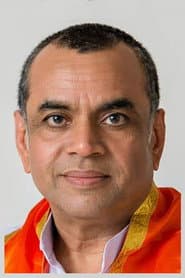






What Mere Baap Pehle Aap is really about
Mere Baap Pehle Aap is the kind of film that wears its premise on its sleeve: a young entrepreneur named Gaurav Rane is running a mall, keeping the books balanced, and trying to build a life — all while his widower father Janardhan keeps landing in ridiculous situations, mostly thanks to the influence of his eccentric friend Mr. Mathur. It's the old story of a son caught between duty and desire. But then Gaurav reconnects with Shikha, a former classmate, and something shifts. The two of them stumble onto a secret: Janardhan's long-lost love, someone from decades past who never quite left his heart. What starts as a romantic comedy about Gaurav suddenly becomes something else — a story about whether it's ever too late for a second chance at happiness.
How Priyadarshan brought Mere Baap Pehle Aap to life
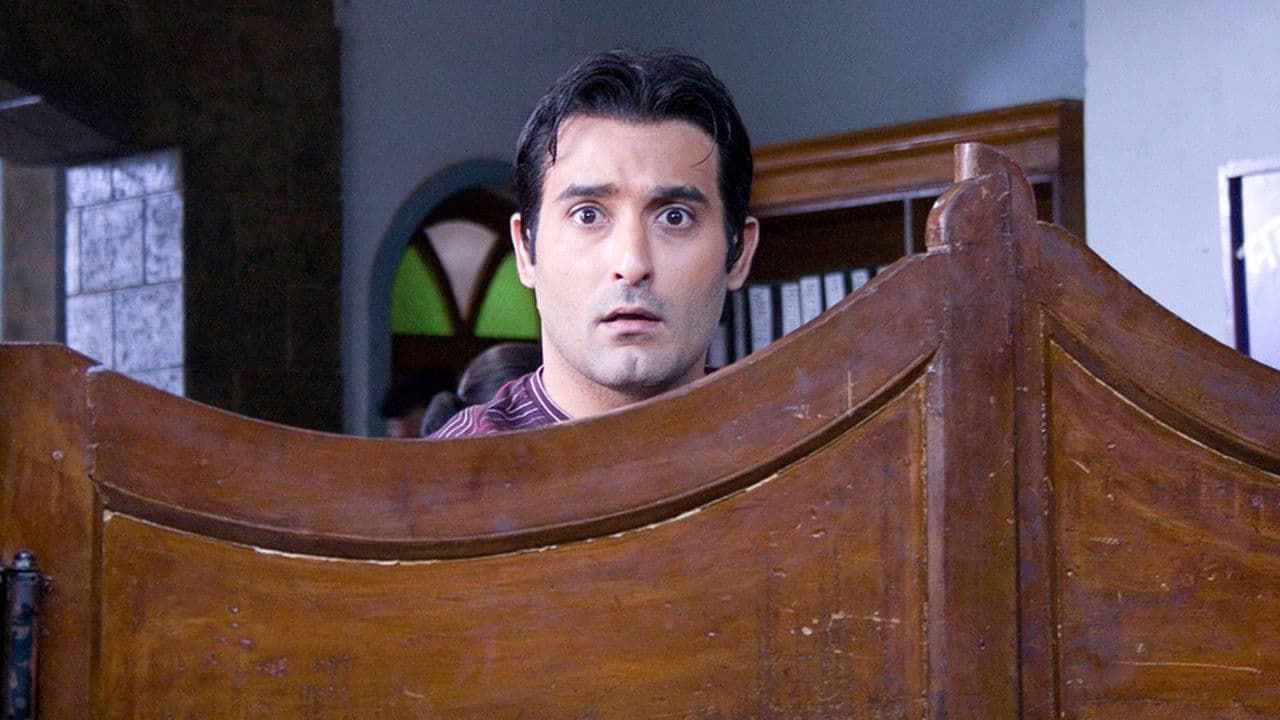
Director Priyadarshan, known for his work in Malayalam cinema and his ability to blend broad comedy with genuine sentiment, took on this project as a Hindi-language remake of Sibi Malayil's 2001 Malayalam film Ishtam. It's a lineage that matters — the original was a quiet success in regional cinema, and Priyadarshan's remake aimed for a wider Bollywood audience with an ensemble cast that included Akshaye Khanna in the lead role of Gaurav, Genelia D'Souza as Shikha, and veteran actors Paresh Rawal and Om Puri anchoring the father-son dynamic. Manoj Joshi, Archana Puran Singh, Shobana, and Rajpal Yadav rounded out the supporting cast, each bringing their own comic timing to the proceedings. Shemaroo Entertainment produced the film, which released in 2008 and clocked in at a substantial 163 minutes — a runtime that feels both ambitious and, at times, indulgent. The film didn't become a box-office phenomenon, and it's never been championed as a critical darling (the IMDb score of 4.98 tells you something about how audiences ultimately received it), but it represents a specific moment in Hindi cinema when remakes of regional films were still considered fresh territory.
Why Mere Baap Pehle Aap doesn't quite land, but almost does
Here's the thing about this film: it's genuinely trying. The performances, especially from Paresh Rawal and Om Puri, capture something real about aging men who've been left behind by life. There's a tenderness in how the film frames Janardhan's loneliness — not as a punchline, but as a genuine ache that comedy can't quite mask. Akshaye Khanna brings a weary competence to Gaurav, the kind of actor who can play "responsible son" without making it boring, though he's not given much to do beyond react to the chaos around him. Genelia D'Souza has charm, but the romance between Gaurav and Shikha feels more like a plot device than an actual love story — it exists mainly to give the younger leads something to do while the real emotional work happens between the older men. What's striking is how the film's best moments aren't the comedic set pieces with Mr. Mathur's antics (those wear thin) but the quieter scenes where Janardhan confronts his own mortality and the possibility that love might still be waiting for him. The 163-minute runtime doesn't help; there's padding here, repetition, scenes that could've been cut without losing anything. But there's also an earnestness that's hard to dismiss entirely — the film wants you to believe that it's never too late, that family is complicated and messy and worth fighting for, and that sometimes the most important love story isn't the one happening on screen but the one happening in the margins.
Where you can stream Mere Baap Pehle Aap right now
If you're curious about revisiting this 2008 comedy or discovering it for the first time, the film is currently available on major OTT services. You can check the "Where to Watch" widget at the top of this page to see which platforms in your region are currently streaming it — availability changes regularly, and Movie OTT tracks these updates across all the major services so you don't have to hunt. Whether you're in the mood for a nostalgic trip back to late-2000s Bollywood or you want to see how Priyadarshan adapted a Malayalam original, you'll find it without too much searching.
Frequently asked questions
Q: Who directed Mere Baap Pehle Aap?
Priyadarshan, a celebrated director known for his work in Malayalam cinema, directed this 2008 Hindi remake. He brought his signature blend of comedy and emotion to the adaptation of Sibi Malayil's original Malayalam film Ishtam.
Q: Is Mere Baap Pehle Aap based on a true story?
No, it's not based on a true story. However, it is a remake of the 2001 Malayalam film Ishtam, which was an original screenplay. Priyadarshan adapted that story for a Hindi-language audience with a new cast and some cultural adjustments.
Q: What is the runtime of Mere Baap Pehle Aap?
The film runs for 163 minutes, which is just under three hours. That's a substantial commitment, and opinions vary on whether the runtime serves the story or tests your patience.
Q: Who stars in Mere Baap Pehle Aap?
The cast includes Akshaye Khanna as Gaurav Rane, Genelia D'Souza as Shikha, Paresh Rawal as Janardhan, Om Puri, Rajpal Yadav, Manoj Joshi, and Archana Puran Singh. It's an ensemble piece with strong veteran actors anchoring the emotional core.
Q: Where can I watch Mere Baap Pehle Aap?
Mere Baap Pehle Aap is available on major OTT platforms. Use the "Where to Watch" widget on this page to find which service is streaming it in your region, as availability varies by location and changes over time.
Final thoughts on Mere Baap Pehle Aap
Mere Baap Pehle Aap isn't a perfect film — far from it. The pacing drags, the comedy doesn't always land, and the romantic subplot feels obligatory. But there's something quietly moving about a film that takes aging and loneliness seriously, even while it's cracking jokes about eccentric fathers and their misadventures. It's messy, uneven, and earnest in a way that modern comedies often aren't. If you're looking for a feel-good film about second chances and family bonds — something that doesn't take itself too seriously but doesn't wink at the camera either — this might be worth your time. Just maybe skip ahead if the runtime starts to feel long.