Lutèce, sur les traces des Parisii: The Real Story Under Paris
Lutèce, sur les traces des Parisii isn't just another archaeology documentary. It's a deep dive into ancient Paris, triggered by a truly astonishing discovery: a 2nd-century Roman necropolis found right under the modern city, near the Port-Royal RER B station, in 2023. This 2026 French documentary, directed by Alexis de Favitski and written by Manon Raineri, follows that excavation, piecing together the lives of the Gallic Parisii tribe who lived there long before the city we know today existed. It's a fascinating look at what lies beneath — quite literally.
TL;DR: This documentary uncovers the real 2023 discovery of a 2nd-century necropolis under Paris, tracing the ancient Parisii tribe through their buried remains. Premiered on France 5 on July 2, 2026, it's available on france.tv in France. Essential viewing for archaeology buffs and anyone curious about Paris's forgotten past.
The Port-Royal Necropolis: Why This Discovery Matters
What makes Lutèce, sur les traces des Parisii stand out isn't just its subject, but the incredible specific details of the find. During routine infrastructure work near Port-Royal, archaeologists uncovered a large necropolis (an ancient cemetery, basically). Around 50 skeletons were found resting in wooden coffins. Some even had a gold coin placed in the mouth — the ancient Charon's obol, meant to pay the ferryman to the underworld. Personal offerings were buried alongside them. This wasn't a vague historical premise; this was physical evidence. Bones. Coins. Grave goods. Right there.
The film uses these findings as its spine, working both backward and forward in time. It tries to reconstruct the daily life of Lutetia, the Roman-era settlement, and the Gallic Parisii tribe who inhabited it. Honestly, seeing actual archaeologists carefully unearthing these remains, knowing they'd been untouched for nearly two millennia, is genuinely affecting. It's a rare chance to connect with individual people who lived and died in a place that eventually became one of the world's most famous cities.
Bringing Ancient Lutetia to Life: Production & Visuals
The production behind Lutèce, sur les traces des Parisii is robust. It's a collaboration between Éclectic Production, France Télévisions, and the CNC (Centre national du cinéma et de l'image animée), with Caroline Omond and Jean-Luc Orabona as producers. Crucially, INRAP — France's national archaeology institute — is also a production partner. This isn't a minor detail; it means the film has direct access to the scientists and field archaeologists who actually conducted the Port-Royal dig. They're embedded in the research itself, not just interviewing experts from afar.
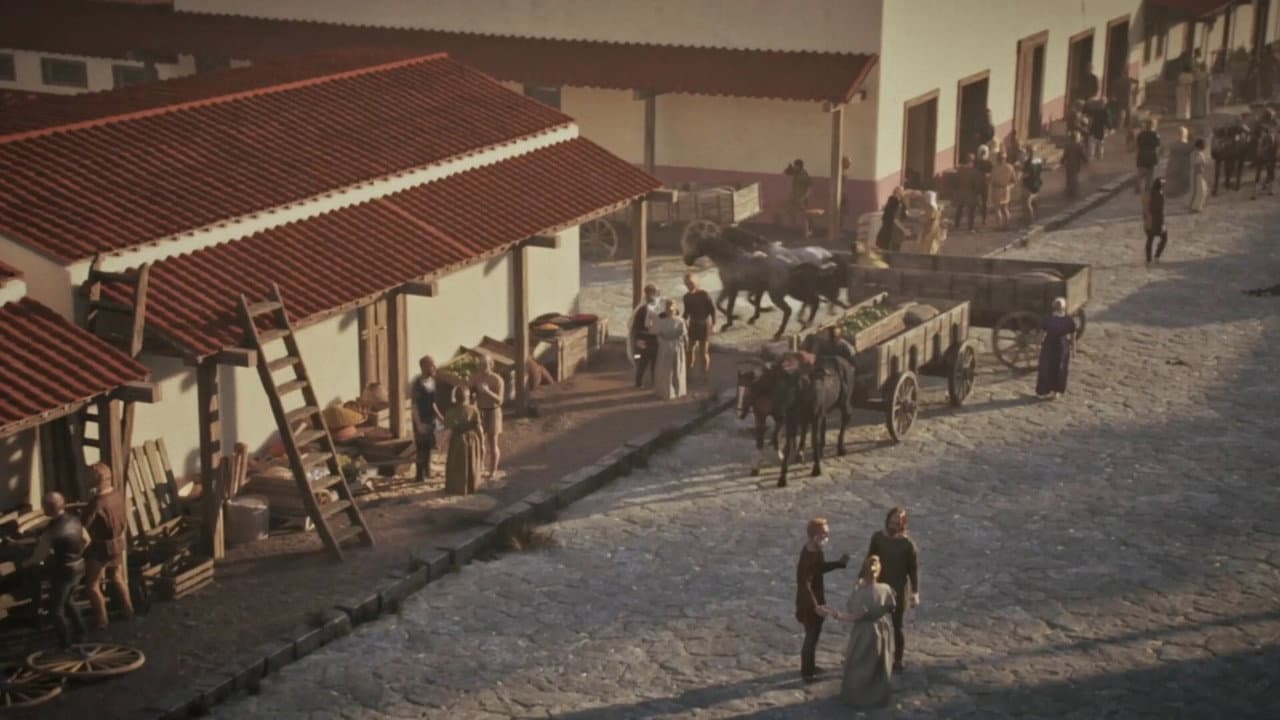
Director Alexis de Favitski and writer Manon Raineri made a deliberate choice to blend on-site excavation footage with a virtual studio environment and 3D reconstructions. This allows us to visualize Lutetia as it might have appeared in the 2nd century CE. Narrator Olivier Blond guides viewers through in French, and the tone, according to FranceTvPro (the official France Télévisions press portal), is a "passionnante plongée" — a fascinating deep dive.
Now, here's where the film earns some honest nuance: The Canal+ program page openly notes that the 3D reconstructions are "not very beautiful." A candid admission, right? It tells you that the visuals serve an educational purpose more than an aesthetic one. This isn't a prestige CGI spectacle, and it doesn't pretend to be. It's a science documentary that uses visualization tools, and it trusts its actual subject matter — the real Parisii, their real necropolis, the real gold coins — to carry the weight. What's striking is that it still works.
How to Watch Lutèce, sur les traces des Parisii (Streaming & Broadcast)
Lutèce, sur les traces des Parisii premiered in prime time on France 5 on July 2, 2026, at 21:05. It runs approximately 85 to 90 minutes.
For viewers in France, you're in luck:
- france.tv: The documentary is available on France Télévisions' catch-up and VOD platform.
What about elsewhere?
- International streaming availability hasn't been widely confirmed yet.
- JustWatch currently lists the title but notes limited availability outside France.
- Hard to say if an international pick-up is coming, but given the universal appeal of ancient Paris and Roman-era archaeology, it wouldn't be surprising.
- For up-to-the-minute streaming availability across major OTT services, check the Where to Watch widget at the top of this page. Movie OTT updates these listings in real-time as new platform deals are confirmed.
Is Lutèce, sur les traces des Parisii For You? (FAQs & Recommendations)
Q: Who directed Lutèce, sur les traces des Parisii?
Alexis de Favitski directed, with the script by Manon Raineri. Olivier Blond narrates in French.
Q: Is Lutèce, sur les traces des Parisii based on a true story?
Yes, absolutely. The film is built entirely around the real 2023 archaeological excavations near the Port-Royal RER B station in Paris. The 50 skeletons, wooden coffins, and gold coins are all genuine finds.
Q: What are the Parisii, and why does the documentary focus on them?
The Parisii were a Gallic tribe who inhabited the area now known as Paris long before the Roman conquest. Lutetia was their settlement on the Seine. The documentary uses the Port-Royal necropolis to trace who these people actually were, how they lived, and how their city looked in the second century CE.
Q: Is Lutèce, sur les traces des Parisii suitable for children?
The documentary carries a tous publics (all audiences) classification in France, meaning it's deemed appropriate for all ages. The subject matter — ancient history, archaeology, skeletal remains — is handled educationally, not graphically.
Recommendation: If you've ever walked the streets of Paris and wondered what lay beneath — not just the catacombs, but the actual living city that existed before any of it — this is the documentary that takes that question seriously. It’s not perfect television; the 3D visuals are functional. But the research is real, the discovery at Port-Royal is extraordinary, and Favitski's film treats its subject with the care it deserves. Archaeology fans, history enthusiasts, and anyone curious about pre-Roman Europe will find it rewarding. If you enjoy documentaries from PBS or BBC on ancient history, you'll likely connect with this one. Movie OTT recommends keeping an eye on streaming updates for wider international access.