





The Story of Mark Twain's Life and Legacy
Mark Twain, the 2002 documentary from filmmaker Ken Burns, sets out to do something deceptively simple: tell the story of Samuel Clemens, the man who became America's greatest author. But Burns doesn't settle for a straightforward biography. Instead, he constructs something more ambitious—a portrait that moves between Twain's public persona (the wry humorist, the celebrated raconteur) and the private man behind the mustache, wrestling with loss, failure, and the weight of his own legend. The film spans Twain's entire life, from his childhood in Hannibal, Missouri, through his years as a riverboat pilot, his rise to literary fame, and his later years marked by tragedy and disillusionment. It's a film about ambition, reinvention, and the cost of becoming an icon.
Behind the Making of Mark Twain: Production and Artistic Vision
Produced by WETA and Florentine Films, Mark Twain arrived in 2001 and premiered on PBS on January 14 and 15, 2002, giving it the kind of prestige platform that befits its subject matter. Ken Burns, already renowned for his approach to American history through documentaries like The Civil War, brought his signature visual style to Clemens' world—archival photographs, period documents, and Ken Burns zoom effects that make still images feel alive. The film runs 212 minutes, an investment of time that Burns doesn't waste; every segment earns its place. Keith David provides the narration, his voice steady and measured, the kind of presence that grounds viewers in the material without overwhelming it. Burns' commitment to capturing both the public and private Twain meant extensive research into letters, journals, and the testimonies of those who knew him. The production team didn't shy away from the uncomfortable parts of Twain's life—his failed business ventures, his despair over his daughter's death, his complicated views on race and empire. This wasn't a hagiography; it was archaeology.
Why Mark Twain Stands Out as Essential American Documentary
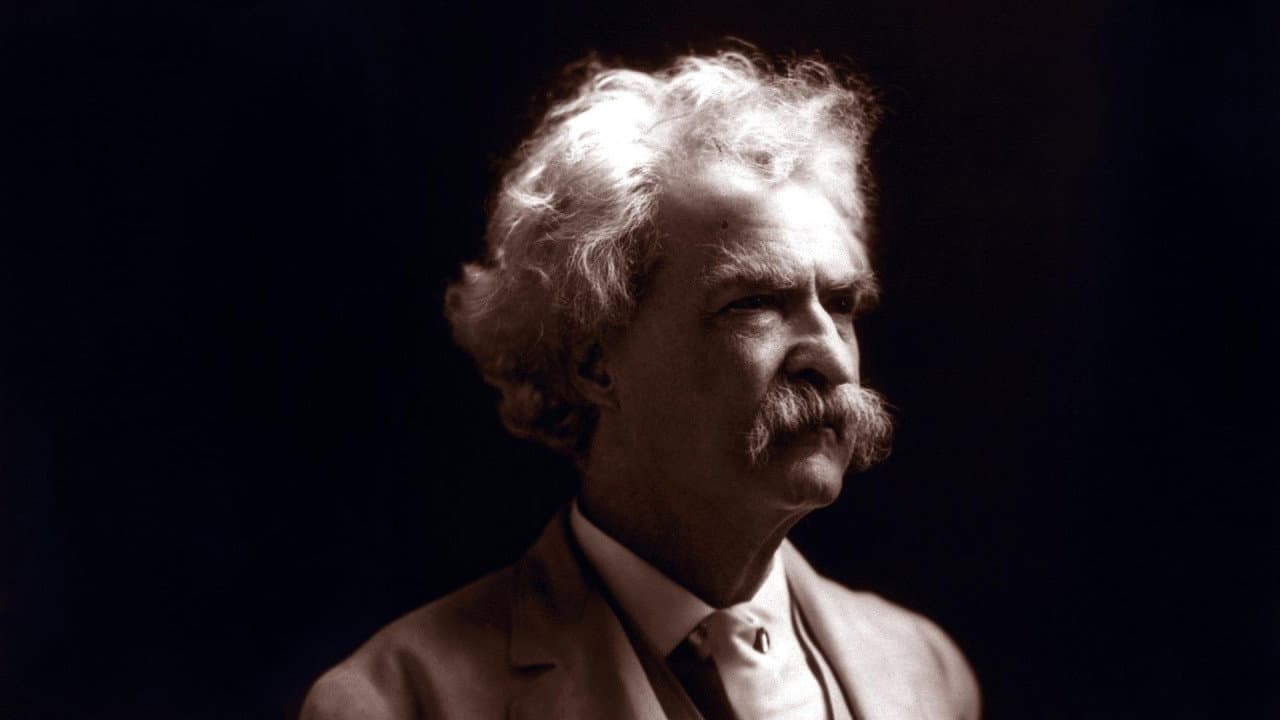
What makes Mark Twain work as a film—and why it's earned a solid 7.1 rating on IMDb—is Burns' refusal to reduce his subject to soundbites or easy moral lessons. The thing that strikes me most about this documentary is how it sits with contradiction. Twain was funny and bitter, generous and vengeful, a believer in progress who'd grown deeply pessimistic by the end of his life. Rather than smoothing over these tensions, Burns leans into them. You see Twain the entertainer who could command a room, and you also see the man who retreated into anger and grief. The archival material—photographs, handwritten pages, period illustrations—creates an almost tactile sense of his world. There's a particular power in watching Twain's face in photographs change over decades, watching the lines deepen, the humor fade. Burns doesn't narrate over these moments with explanation; he lets them breathe. The film also benefits from its willingness to engage with Twain's actual words—his novels, his essays, his letters—rather than just talking about them. Hearing passages from Huckleberry Finn or The Innocents Abroad read aloud reminds you why this man mattered, why his voice still carries weight. It's not just that he was famous; it's that he had something worth saying.
Where to Stream Mark Twain Online
Mark Twain is currently available across major OTT services, making it accessible whether you're a documentary regular or someone discovering Burns' work for the first time. Check the Where to Watch widget at the top of this page to see which platforms carry it in your region—availability shifts seasonally, but the film's cultural significance means it tends to remain in circulation on the major services. Movie OTT tracks these streaming locations in real time, so you'll always know where to find it. Because the film runs over three and a half hours, you might want to plan for a weekend viewing or split it across two sittings. That's not a drawback; it's actually part of the experience. Burns intended this as an immersive documentary, not something to half-watch while scrolling. Treat it like you would a novel—give it your attention, and it'll reward you.
Frequently asked questions
Q: Who directed Mark Twain and what's his background?
Ken Burns directed the film; he's the acclaimed documentary filmmaker behind The Civil War, Baseball, and The Roosevelts. Burns is known for his distinctive visual approach using archival photography and his deep dives into American history and culture.
Q: Is Mark Twain based on a true story?
Yes—it's a documentary biography of Samuel Clemens (Mark Twain), covering his actual life from childhood through his death. Burns drew from letters, journals, historical records, and interviews to construct the narrative.
Q: How long is the Mark Twain documentary?
The film runs 212 minutes—three hours and 32 minutes. It originally aired as a two-part PBS special in January 2002, which is why you might find it split into two parts on some streaming platforms.
Q: What's the IMDb rating for Mark Twain?
The documentary holds a 7.1 out of 10 rating on IMDb, reflecting strong critical and audience appreciation for Burns' approach and the film's depth.
Q: Who narrates the Mark Twain documentary?
Keith David provides the narration, lending his distinctive voice to guide viewers through Twain's life and the historical context surrounding it.
Final Thoughts on Mark Twain
If you've never sat through a Ken Burns documentary, Mark Twain is an excellent entry point—it's ambitious without being inaccessible, scholarly without being dry. The film respects both Twain and its audience. It doesn't pretend to have all the answers about who Samuel Clemens really was, and that intellectual humility is part of what makes it work. You'll finish it with questions, which is exactly how you should finish a documentary about a writer as complicated and contradictory as Mark Twain. Seek it out.