







The Story of The Perfect Game
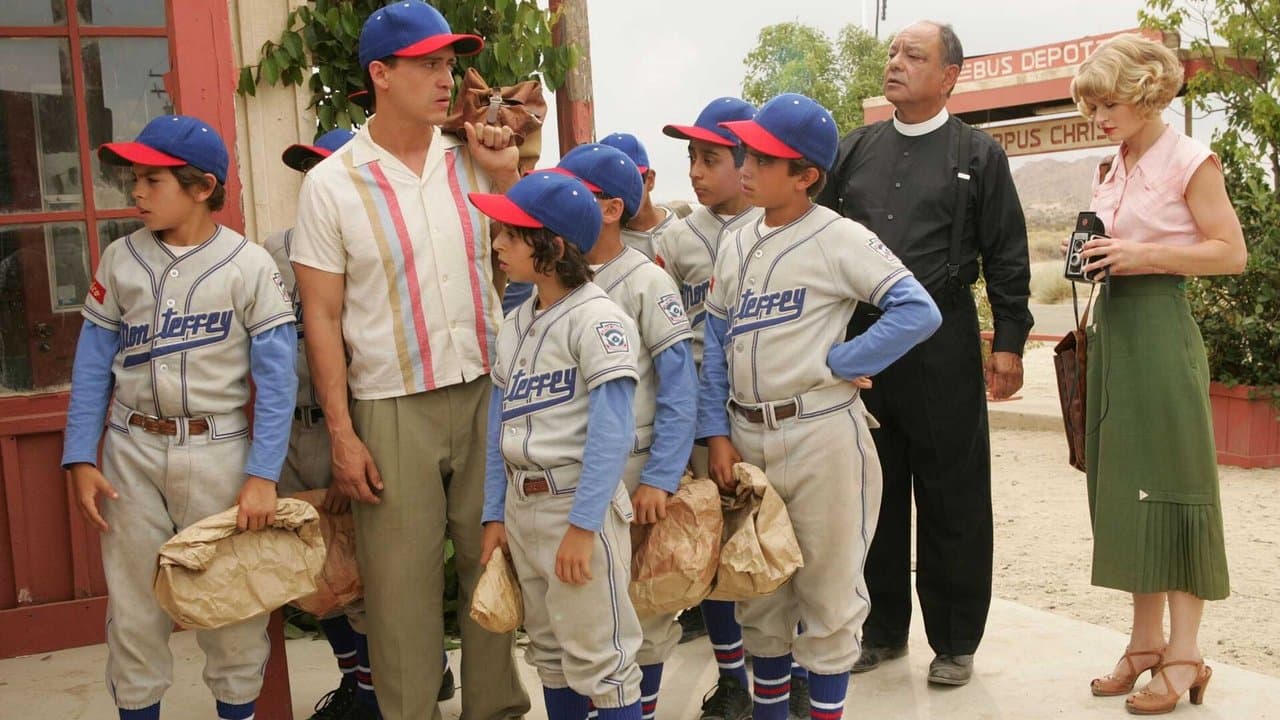
The Perfect Game tells the true story of a group of young baseball players from Monterrey, Mexico who dared to compete in the 1957 Little League World Series—a tournament that, until that moment, had been dominated entirely by American teams. What unfolds is a narrative about underdogs, family sacrifice, and the kind of determination that doesn't care about borders or odds. The film captures the journey of these boys as they train, believe in themselves, and ultimately challenge not just their opponents but the entire assumption that American youth baseball was unbeatable. It's a story about what happens when a group of kids from a working-class Mexican city decide that their dream is worth everything.
The central figure in this narrative is Ángel Macías, a young pitcher whose arm would become legendary in Little League history. But this isn't just a film about one kid's talent—it's about a team, a community, and a moment in sports history that changed the game forever. As the boys progress through the tournament, we see the weight of expectation grow heavier, the stakes climb higher, and the question becomes whether they can actually pull off what nobody thought was possible.
Behind the Making of The Perfect Game
The Perfect Game arrived in 2009 as a feature film adaptation of W. William Winokur's 2008 book chronicling the same events. Director William Dear, known for his work on family sports dramas, brought the story to the screen with a runtime of 118 minutes—enough time to build genuine emotional stakes without overstaying its welcome. The film was a collaborative effort between HighRoad Entertainment, Prelude Pictures, Lone Runner Entertainment, and Kenio Films, each bringing resources and vision to what could have easily become a by-the-numbers underdog sports movie.
What's notable about the production is that it didn't chase massive box office returns or rely on A-list star power. Instead, the filmmakers invested in authenticity and casting actors who could genuinely carry the emotional weight of the story. The ensemble cast includes performances that ground the narrative in real family dynamics—the pressure on parents, the dreams of the kids, the community's collective hope. The film carries a family-friendly rating, making it accessible to the audiences who'd most connect with it: parents and kids who understand what it means to chase something bigger than yourself.
The project arrived during a period when sports dramas were experiencing a creative renaissance, though not all of them found their audience. The Perfect Game, however, resonated with viewers who appreciated its straightforward sincerity—no cynicism, no irony, just a story told with genuine heart. On IMDb, the film holds a 7.137 rating, a solid score that reflects its appeal to both critics and casual viewers who stumbled across it on streaming platforms.
What Makes The Perfect Game Stand Out
Here's what's striking about The Perfect Game: it refuses to make the story more complicated than it needs to be. The film doesn't manufacture false drama or invent conflict where none exists. Instead, it trusts that the actual historical events—a Mexican team competing in an American-dominated tournament, a young pitcher throwing a perfect game in the championship—are dramatic enough on their own.
The performances work because they're understated. There's no grandstanding, no actor trying to "make a moment" by overplaying emotion. When a parent realizes their child might actually have a shot at something extraordinary, or when a player feels the weight of his teammates' dreams on his shoulders, these moments land quietly but powerfully. The thing nobody mentions is how rare that restraint is in sports movies—most of them can't resist the urge to pump up the sentiment, to make everything bigger and louder. The Perfect Game knows better.
What's also effective is how the film balances the individual story of Ángel Macías with the collective narrative of the team and the town behind them. It's not just about one kid's talent; it's about a community that believed in something when the world didn't. The cinematography captures Monterrey and the tournament venues with a documentary-like clarity—you feel the heat, the dust, the distance these boys traveled to play. And when Macías throws that perfect game in the championship, the film doesn't oversell it. The moment speaks for itself, and that's what makes it work.
How to Stream The Perfect Game Online
The Perfect Game is currently available across major OTT streaming services, and you can check the "Where to Watch" widget at the top of this page to see which platform has it in your region right now. Streaming availability shifts frequently—a title might be on one service this month and move to another next quarter—so Movie OTT keeps an updated tracker of where this film is actually streaming. If you're planning a family movie night and want a sports drama that won't feel preachy or manipulative, this is the kind of film that benefits from knowing exactly where to find it without the hunt.
Because it's a 2009 film with solid family appeal and a straightforward runtime of 118 minutes, it's found a comfortable home on streaming platforms over the years. It's the kind of movie that works well on a Sunday afternoon—engaging enough to hold attention, meaningful enough to spark conversation afterward, and clean enough that you don't have to worry about awkward moments if younger viewers are in the room.
Frequently asked questions
Q: Is The Perfect Game based on a true story?
Yes. The film is based on the actual 1957 Little League World Series, when the Industrial Little League of Monterrey, Mexico became the first non-U.S. team to win the championship. The story is adapted from W. William Winokur's 2008 book of the same name.
Q: Who threw the perfect game in The Perfect Game?
Ángel Macías, a young pitcher from Monterrey, threw a perfect game in the 1957 Little League World Series championship game—the first and, to date, the only perfect game ever pitched in a Little League World Series championship.
Q: Who directed The Perfect Game?
William Dear directed the 2009 film adaptation. Dear is known for his work on family-oriented sports dramas and brought a straightforward, heartfelt approach to the material.
Q: What's the runtime of The Perfect Game?
The film runs 118 minutes, giving it enough time to develop the characters and stakes without feeling bloated or rushed.
Q: What year was The Perfect Game released?
The film was released in 2009, more than 50 years after the actual 1957 Little League World Series championship that inspired it.
Final Thoughts on The Perfect Game
The Perfect Game works because it understands something fundamental: the best sports stories aren't really about sports. They're about belief, sacrifice, and the moments when ordinary people do extraordinary things. This film doesn't need fancy cinematography or star power to tell that story—it just needs authenticity and heart, both of which it has in abundance. If you're looking for a drama that respects your intelligence and doesn't manipulate your emotions, this is worth your time.