







The story of Me and You and Everyone We Know
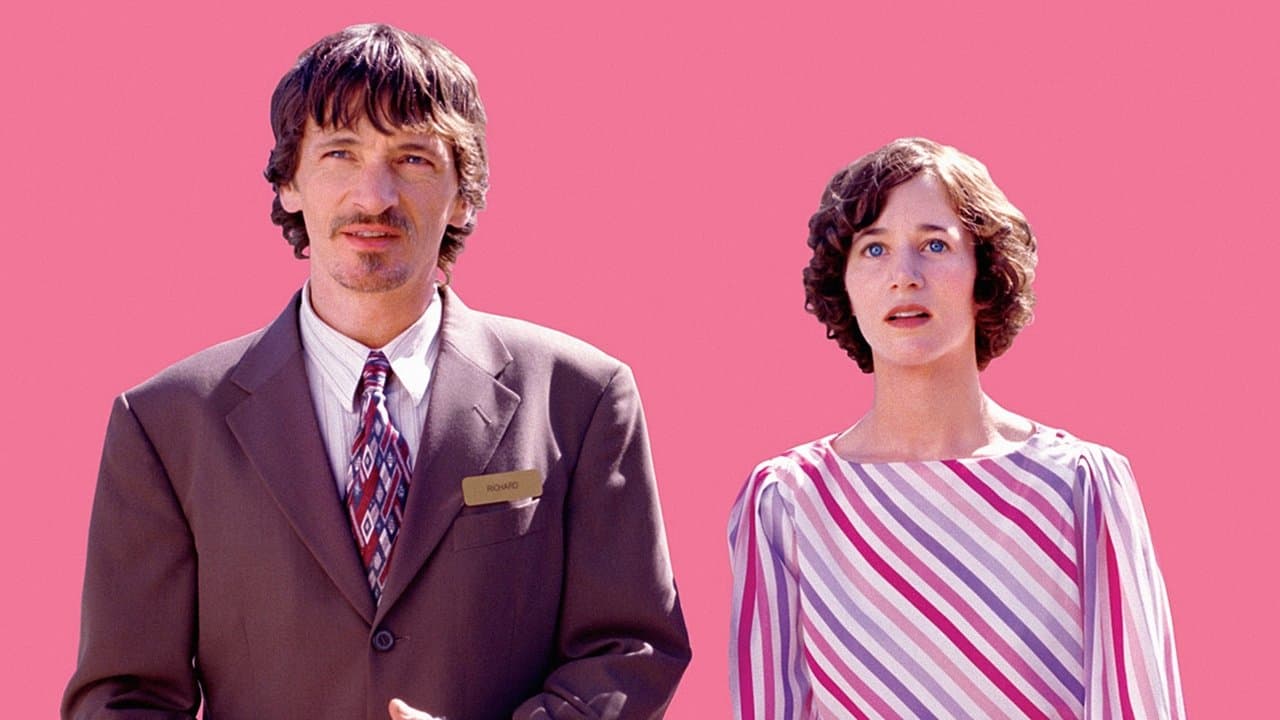
Me and You and Everyone We Know follows Richard, a single father wrestling with the emotional wreckage of divorce, as he crosses paths with Christine—a cabbie and struggling artist who sees the world through a deliberately off-kilter lens. Their courtship is halting, awkward, genuinely uncomfortable in ways that feel true. But the film isn't really about whether these two adults figure it out romantically. It's about what happens in the margins: Richard's teenage son and his six-year-old brother conducting their own clumsy, hilarious, sometimes troubling experiments with attraction and connection. The movie moves between these storylines with a light touch, finding humor and heartbreak in how people—whether they're 35 or 8—struggle to say what they actually mean.
Behind the making of Me and You and Everyone We Know
What makes Me and You and Everyone We Know remarkable is that it arrived as Miranda July's first feature film, despite her already being known for self-produced short films and performance art projects. This wasn't a director working within an established studio system—it was an artist who'd spent years making work on her own terms suddenly handed resources by IFC Productions and Film4 Productions. The result feels both intimate and confident, the work of someone who knew exactly what she wanted to say but hadn't yet learned to second-guess herself.
John Hawkes carries the emotional weight as Richard, a furniture mover whose exhaustion reads on his face before he speaks a line. Miranda July herself stars opposite him, and there's something brave about that choice—putting yourself in front of the camera while also directing means you're juggling two jobs that usually require total focus. The film premiered at Sundance in 2005 and went on to earn significant festival recognition, though it remained a cult discovery rather than a mainstream hit. Critics and cinephiles championed it; mainstream audiences largely didn't catch up. It didn't break box-office records, but it didn't need to. Sometimes a film's value isn't measured in ticket sales but in how it lodges itself in the minds of people who see it.
What makes Me and You and Everyone We Know stand out
Here's what's striking about this film: it refuses to condescend to either its adult characters or its children. Richard isn't a deadbeat or a villain—he's just a guy trying to figure out how to be present for his kids while his own heart is still broken. Christine isn't a manic-pixie-dream-girl there to fix him; she's got her own struggles, her own weird internal logic. And the boys? They're not cute props. They're curious, confused, sometimes inappropriate in ways that feel authentic rather than scripted for laughs.
The performances anchor everything. Hawkes brings a kind of wounded dignity to Richard—he's not trying to be likable, which somehow makes him more likable. July herself is strange in the best way, moving through scenes with an off-kilter rhythm that could feel precious in less capable hands but instead feels like genuine awkwardness. The child actors, particularly the younger son, capture that specific quality of childhood where you're trying to understand adult behavior without any of the context. There's a scene involving a computer chat that shouldn't be funny or moving, but it is—both at once.
What nobody mentions is how the film's visual language matches its emotional one. Nothing is overdone. Cinematography is straightforward, almost plain, which means when something beautiful happens—a moment of connection, a look held just a beat too long—it lands harder. The comedy doesn't announce itself. It's not trying to make you laugh; it's just letting you watch real people be awkward, and that's funnier than any setup-punchline could be. The film trusts you to get it, and that trust itself is a kind of gift.
Where to stream Me and You and Everyone We Know online
Me and You and Everyone We Know is available across major OTT services, and the Movie OTT "Where to Watch" widget at the top of this page shows exactly which platforms currently have it in your region. Streaming rights shift frequently—a title available on one service this month might move to another next quarter—so checking that widget before you hit play saves frustration. Because this is a 91-minute film, not a 10-hour series commitment, it's the kind of thing you can actually finish in one sitting, which makes it perfect for a weekend evening when you want something that'll stick with you without eating your entire night.
Frequently asked questions
Q: Who directed Me and You and Everyone We Know?
Miranda July wrote and directed the film, marking her debut feature after years of making shorts and performance art. She also stars in the lead role opposite John Hawkes.
Q: When was Me and You and Everyone We Know released?
The film premiered at Sundance in 2005 and received its wider release that same year through IFC Films. It remains one of the most distinctive indie films of that decade.
Q: How long is Me and You and Everyone We Know?
The film runs 91 minutes, making it a tight, focused story that doesn't overstay its welcome despite covering a lot of emotional ground.
Q: Is Me and You and Everyone We Know based on a true story?
No, it's an original screenplay written by Miranda July. The situations and characters, while deeply human, are fictional creations rather than adaptations.
Q: What's the IMDb rating for Me and You and Everyone We Know?
The film holds a 6.991/10 rating on IMDb, reflecting solid critical and audience appreciation, though it remains more of a film-lover's discovery than a mainstream phenomenon.
Final thoughts on Me and You and Everyone We Know
There's a particular kind of film that doesn't try to be important but ends up mattering anyway. Me and You and Everyone We Know is one of those. It's not a perfect film—some moments linger longer than they probably should, and not every joke lands—but it's honest in a way that feels increasingly rare. Miranda July made something tender and funny and strange, and she did it without apology. Fifteen years later, it still feels like a conversation between the filmmaker and the viewer, rather than a product designed for maximum appeal. If you haven't seen it, it's worth seeking out.