


The story of Murder, Inc. and Brooklyn's deadliest mob
Murder, Inc. tells the story of one of America's most ruthless organized crime operations—a Brooklyn-based syndicate that operated throughout the 1930s with chilling efficiency. The film follows the rise and eventual downfall of this criminal enterprise through the eyes of its most powerful figures: boss Lepke and the volatile, dangerous hit man Reles. What makes this narrative compelling isn't just the violence or the betrayals, but the way it peels back the machinery of organized crime to show how such an operation actually functioned. It's less a glorification of mob life and more an anatomy of how fear, loyalty, and greed built an empire—and how quickly that empire can crumble.
The film doesn't shy away from the brutality inherent in this world. Men are killed for minor infractions. Loyalty is tested constantly. The syndicate operates like a corporation, with territories, quotas, and a chain of command—hence the tagline, "The Super-Corporation of Crime." Yet beneath the procedural nature of the murders lies a very human story about ambition, betrayal, and the cost of power. The pacing allows viewers to understand not just what happened, but why these men made the choices they did, even as those choices led them toward inevitable destruction.
Behind the making of Murder, Inc. and its stellar cast
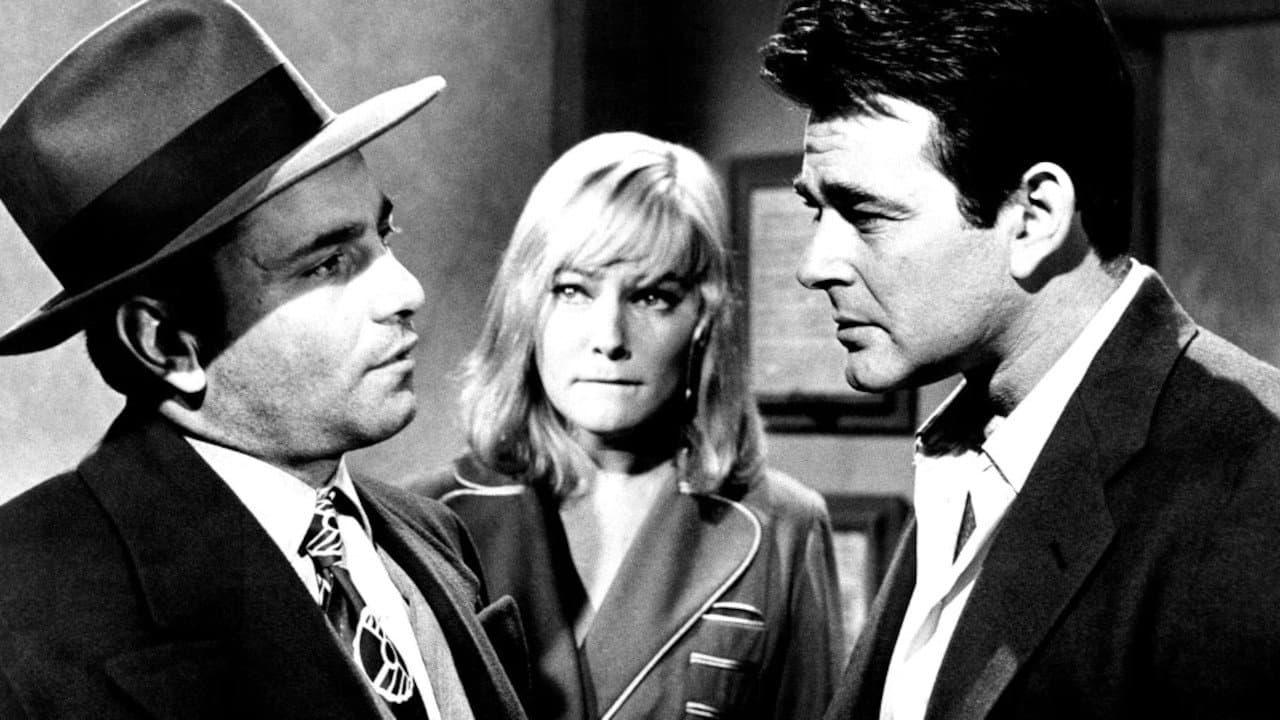
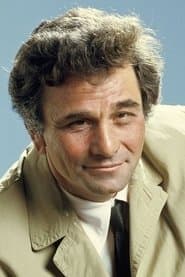
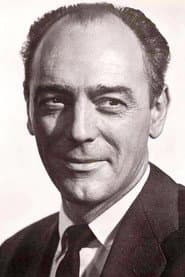
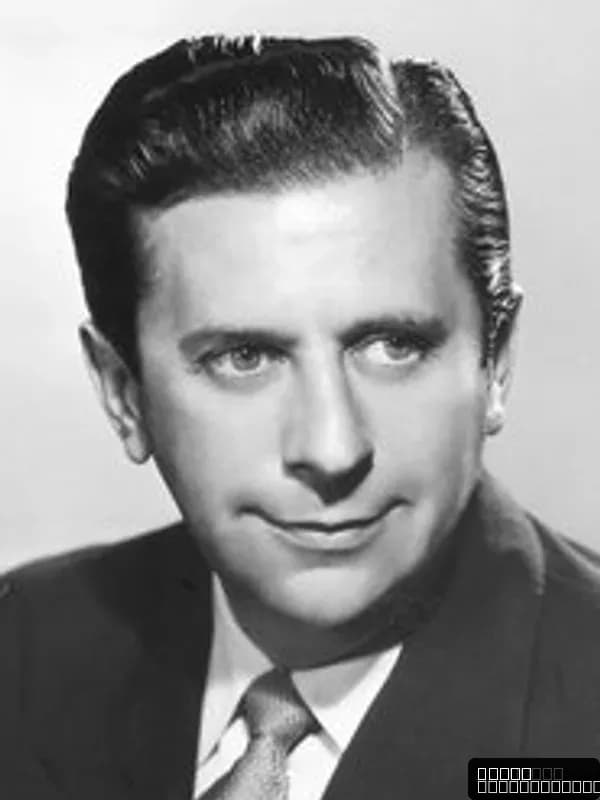
Murder, Inc. arrived in 1960 as a major studio production from 20th Century Fox and Princess Production Corporation, directed by Burt Balaban and Stuart Rosenberg. The film was shot in Cinemascope, giving it a cinematic scope befitting its sprawling narrative about an entire criminal organization. The casting was particularly strong for its era: Stuart Whitman carried the film as the lead, while May Britt provided a crucial counterweight, and Henry Morgan brought seasoned character work to the ensemble. But the real standout was a young Peter Falk in a supporting role—this was early in Falk's career, years before he'd become synonymous with Columbo, yet his presence here hints at the intensity and unpredictability he'd become famous for.
The film's 103-minute runtime was substantial for the era, allowing the narrative room to breathe and develop its characters beyond simple archetypes. Box office performance was solid, though the film didn't become a blockbuster in the way some crime dramas of the period did. What's more interesting is how the film was received critically and how it's aged. It holds a 6.481 rating on IMDb, which suggests a film that works for crime-drama enthusiasts but doesn't quite reach the heights of the absolute classics in the genre. That said, the production values and performances have held up far better than many contemporaries. The decision to base the story on actual events—the real Murder, Inc. was a ruthless enforcement arm of the National Crime Syndicate—gave the filmmakers a framework of historical truth to build from, even as they dramatized and compressed events for narrative purposes.
What makes Murder, Inc. stand out in the crime-drama landscape
What's striking about Murder, Inc. is how it treats organized crime not as a romantic underworld but as a bureaucratic machine. The film doesn't glamorize these men—it shows them as trapped by their own systems, unable to escape the logic they've created. There's a coldness to much of the execution (no pun intended) that feels more realistic than the operatic violence of some crime films. The performances anchor this approach: Whitman's Lepke isn't a charming rogue but a calculating businessman who happens to deal in death. Falk's Reles is the wild card, the man whose unpredictability threatens the entire operation—and watching that tension play out across the film's runtime is genuinely compelling.
The script captures something essential about how these organizations actually worked. Decisions are made in back rooms. Territory is allocated. Disputes are settled with predetermined violence. It's almost mundane in its procedural nature, which makes it all the more unsettling. You're not watching a heist or a clever con; you're watching the administrative apparatus of murder. That distinction matters—it's what separates this from being just another gangster picture. The cinematography in Cinemascope enhances this sense of a world that's both intimate and expansive, where small rooms contain enormous power and where the streets of Brooklyn become a stage for calculated violence. I keep coming back to one particular scene where a decision about a hit is made over a simple meal—no dramatic flourishes, no speeches, just men talking business—and that's the moment the film really reveals its teeth.
For those tracking where films like this fit in the broader crime-drama canon, Movie OTT offers context on how Murder, Inc. compares to other period crime pieces available on streaming platforms. The film influenced later mob movies and remains a solid example of how to adapt true crime into compelling drama without sacrificing either historical grounding or narrative momentum.
Where to stream Murder, Inc. online
Finding Murder, Inc. on streaming services is straightforward—the film is currently available on major OTT platforms, and you can check the "Where to Watch" widget at the top of this page to see exactly which services in your region carry it right now. Streaming availability does shift, so if you're planning to watch, it's worth confirming availability before you settle in. The film's age means it's been through several restoration cycles, so the version you'll find on streaming is generally quite clean and watchable on modern screens. Movie OTT keeps its platform listings current, so you'll always know where to find this and other classic crime dramas without having to hunt across five different apps.
Frequently asked questions
Q: Is Murder, Inc. based on a true story?
Yes. The film chronicles the real Murder, Inc., a Brooklyn-based organized crime syndicate that operated during the 1930s. The film dramatizes actual events and real figures like Lepke and Reles, though it compresses and alters details for narrative purposes.
Q: Who directed Murder, Inc.?
The film was directed by Burt Balaban and Stuart Rosenberg. It was shot in Cinemascope and released by 20th Century Fox in 1960.
Q: How long is Murder, Inc.?
The film runs 103 minutes, giving it enough time to develop its characters and the criminal organization's structure without unnecessary padding.
Q: What's the IMDb rating for Murder, Inc.?
The film holds a 6.481 rating on IMDb, indicating solid appreciation among crime-drama fans, though it's not universally considered a masterpiece of the genre.
Q: Does Murder, Inc. have any notable early performances?
Yes—Peter Falk appears in a supporting role early in his career, before he became famous for Columbo. His performance as the unpredictable Reles is one of the film's highlights.
Final thoughts on Murder, Inc.
Murder, Inc. is worth watching if you appreciate crime dramas that prioritize realism over romanticism. It's not a flashy film—it won't dazzle you with style or bombard you with operatic violence. Instead, it offers something quieter and more unsettling: a clear-eyed look at how organized crime actually functioned. The performances are solid, the period detail convincing, and the narrative structure allows real tension to build. It's a film that rewards patient viewers and works particularly well for anyone interested in true crime or the history of organized crime in America. If that sounds like your speed, don't sleep on it.