




The story of Original Sin: desire and consequence in a collapsing economy
Original Sin tells the deceptively simple story of an extramarital affair—but there's nothing simple about it. The film centers on the wife of an estate agent who becomes entangled with a 22-year-old man, and what unfolds is less a scandal than a slow-motion examination of how desire moves through lives already fractured by larger forces. The 1992 film, based on Bo Nishimura's novel, doesn't sensationalize the affair itself. Instead, it uses the relationship as a lens to observe the emotional aftermath of Japan's bubble economy—that period when the nation's financial confidence evaporated almost overnight, leaving ordinary people adrift. What makes Original Sin distinctive is its refusal to moralize. The characters aren't punished for their transgression in any conventional sense; they're simply exposed to the consequences of wanting something they can't have, set against a world that's already stopped making sense.
Behind the making of Original Sin and its production context
Director Takashi Ishii brought a particular sensibility to Original Sin—one shaped by his interest in how Japan's economic upheaval manifested in intimate, domestic spaces. The film was produced by Suntory and the Argo Project, a collaboration that positioned it as a serious dramatic work rather than a genre piece. At 117 minutes, Ishii takes his time. There's no rush to resolve tension or manufacture plot twists. The pacing itself becomes thematic: we're watching lives move through their daily routines while something irreversible happens beneath the surface. The film's modest box office performance—it wasn't a commercial blockbuster—didn't diminish its standing among critics who recognized what Ishii was attempting. Cast members brought naturalistic intensity to their roles, avoiding the melodramatic trappings that could've derailed the material. Movie OTT tracks where this and similar character-driven dramas are currently available across streaming platforms, making it easier to discover films that prioritize emotional authenticity over plot mechanics.
What makes Original Sin stand out as a portrait of emotional aftermath
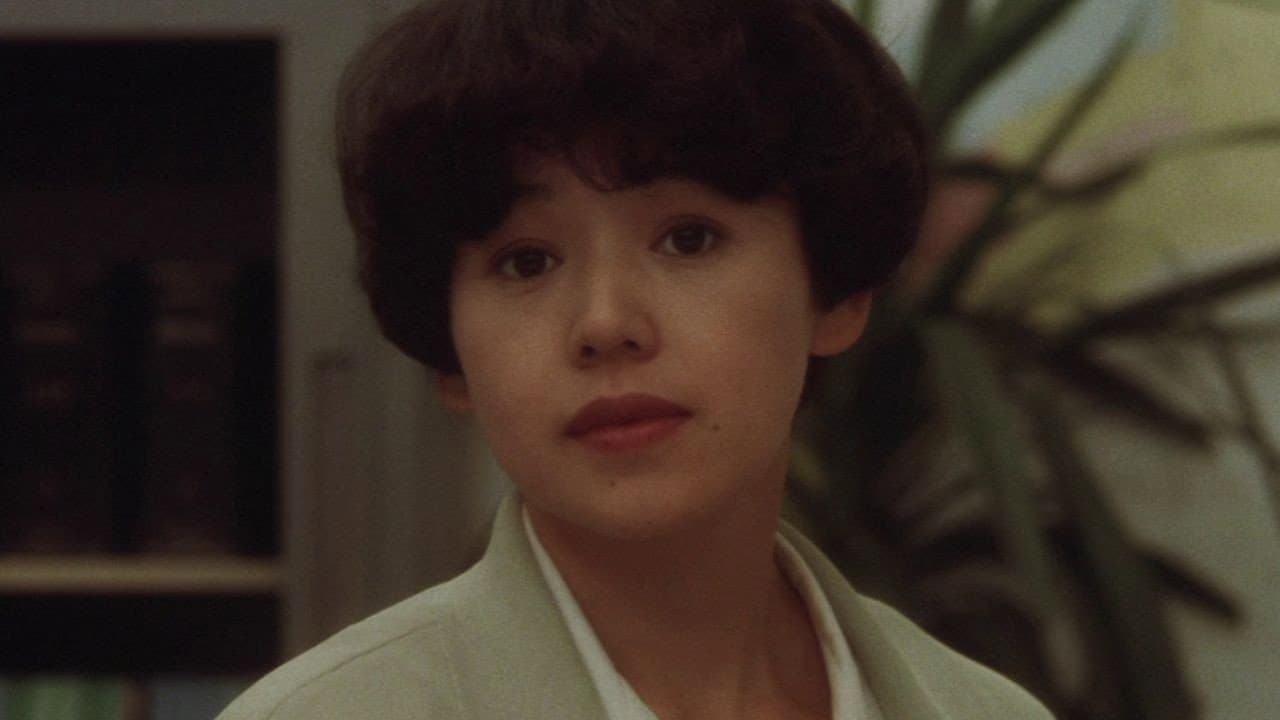
Here's what's striking about Original Sin: it refuses the comfort of judgment. You won't find yourself thinking "the wife is selfish" or "the young man is predatory." Instead, Ishii creates space for contradiction—people who are simultaneously sympathetic and destructive, loving and self-deceiving. The performances anchor everything. There's a restraint to the acting that mirrors the film's thematic concerns; characters don't articulate their feelings in tidy dialogue. They look away. They hesitate. They say one thing while their bodies communicate something else entirely. What nobody mentions about films like this is how much harder they are to make than melodramas. It's easier to construct a plot where consequences are clear and moral positions are fixed. It's much harder to sustain a narrative where the audience remains uncertain about what they're witnessing—not because the film is unclear, but because human motivation itself resists clarity.
The emotional core of Original Sin lies in its understanding that the personal and the economic aren't separate domains. The estate agent's profession—selling property in a market that's collapsing—isn't window dressing. It's the atmospheric pressure that makes every private conversation feel slightly suffocating. The film suggests that when large systems fail, people reach for connection in increasingly desperate ways, and sometimes that reaching destroys the very relationships they're trying to preserve. Critics who've engaged seriously with the film recognize this layering; it's not just about infidelity, it's about what happens when the world stops guaranteeing stability and individuals have to confront their own fragility.
Where to stream Original Sin online
Original Sin is currently available across major OTT services, and the "Where to Watch" widget at the top of this page will show you exactly which platforms are carrying it right now. Streaming availability changes frequently, so that widget is the most reliable way to confirm where you can access the film today. Since Original Sin isn't a mainstream Hollywood title, it tends to appear on curated streaming services that prioritize international and arthouse cinema rather than the broadest platforms. Movie OTT keeps those availability listings current, so you won't waste time hunting through multiple apps only to discover the film isn't there.
Frequently asked questions
Q: Who directed Original Sin?
Takashi Ishii directed the 1992 film. Ishii is known for his interest in how large-scale social and economic forces shape intimate relationships, and Original Sin exemplifies that preoccupation.
Q: Is Original Sin based on a true story?
No, it's based on a novel by Bo Nishimura. While the film captures the texture of Japan's economic collapse in the early 1990s with documentary-like precision, the characters and their affair are fictional.
Q: What's the runtime of Original Sin?
The film runs 117 minutes. Ishii uses that time deliberately—there are long stretches without conventional dramatic peaks, which is part of what makes the film's emotional impact so sustained.
Q: What does Original Sin's IMDb rating tell us?
The film currently holds a 5/10 on IMDb, which likely reflects its challenging, deliberately paced approach. It's not designed for broad appeal; audiences looking for conventional narrative satisfaction often find it frustrating, while those attuned to character-driven cinema find it rewarding.
Q: When was Original Sin released?
Original Sin premiered in 1992, during a pivotal moment in Japanese cinema when filmmakers were grappling with how to represent the nation's economic crisis.
Final thoughts on Original Sin
Original Sin isn't easy. It won't give you the catharsis of a neatly resolved conflict or the satisfaction of characters learning hard-won lessons. What it offers instead is something rarer: the chance to sit with ambiguity and recognize yourself in it. The film trusts its audience to understand that the most important dramas often play out in silence, in the space between what people say and what they actually feel. If you're drawn to cinema that takes emotional risks—that privileges observation over explanation—it's worth seeking out. Don't expect comfort. Expect recognition.