







The Story of Oshin: Poverty, Resilience, and Rural Japan
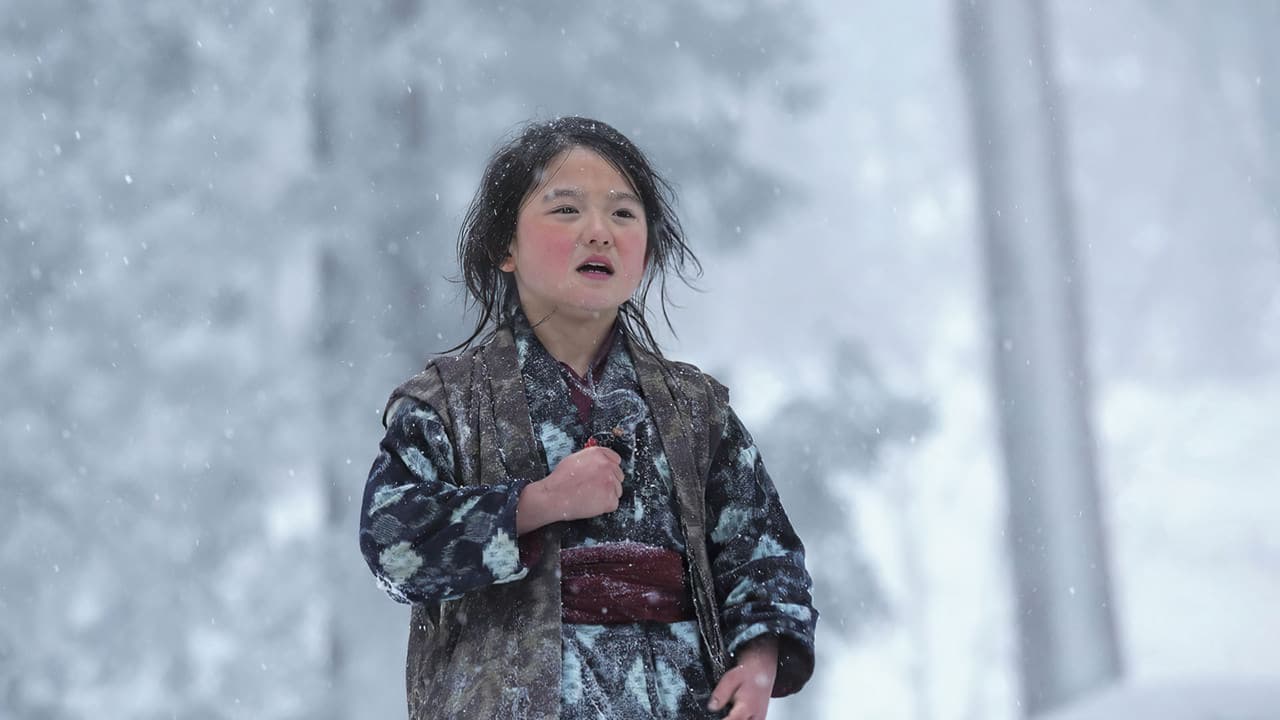
Oshin tells the story of a young girl forced into servitude because her family can't afford to feed her. Sent away to work in another household, she faces hardship, loneliness, and the crushing weight of poverty—yet somehow, she endures. The film captures the emotional core of what made the original television series such a phenomenon: a child's quiet determination to survive, to matter, to carve out some dignity in a world that's already written her off. What's striking is how the movie doesn't shy away from the bleakness of her situation, even as it celebrates her inner strength. You're watching a girl who has every reason to break, and somehow she doesn't.
Behind the Making of Oshin: Production and Adaptation
The 2013 Oshin film emerges from an extraordinary legacy. The original NHK asadora (morning serialized drama) that aired from March 1983 to March 1984 became a cultural touchstone in Japan—297 episodes following the character Shin Tanokura, nicknamed Oshin, from the Meiji period all the way to the early 1980s. That television series was the 31st asadora produced by NHK, and it captured the nation in a way few dramas have before or since. The film adaptation was a collaborative effort involving CBC, Toei Company, dentsu, The Asahi Shimbun, and numerous other production partners, reflecting the scale and ambition of bringing such an iconic story back to audiences. With a runtime of 109 minutes, the filmmakers faced the challenge of compressing a sprawling, multi-decade narrative into a feature-length format—no small feat when the source material spans from feudal Japan to the modern era. Movie OTT tracks where you can currently stream this adaptation, making it easier to access this piece of Japanese cinema history without hunting across multiple platforms.
What Makes Oshin Stand Out: Performance and Emotional Authenticity
The film holds a 6.6 rating on IMDb, which honestly feels like a number that doesn't quite capture what's happening on screen. Critics and audiences grapple with Oshin because it refuses to be comfortable—it doesn't offer easy catharsis or neat resolutions. The performances anchor everything. There's a rawness to how the lead character's journey unfolds, a refusal to sentimentalize poverty or turn suffering into something digestible. What I keep coming back to is the film's commitment to showing the small moments: a girl's hands working, her eyes after a day of labor, the way she holds herself when she thinks nobody's watching. These aren't flashy, award-baiting scenes. They're the unglamorous details that make survival feel real. The cinematography and production design work together to immerse you in rural Japan—not as a picturesque backdrop, but as a place where resources are scarce and childhood is something you lose early. Hard to say if Western audiences will connect with it the same way Japanese viewers did with the original series, but that's part of what makes it worth watching. It's a film that doesn't chase approval.
Where to Stream Oshin Online
Oshin is currently available on major OTT services, which means you've got options depending on your existing subscriptions. Rather than hunting through a dozen different apps, you can check the "Where to Watch" widget at the top of this page to see exactly which platforms are carrying it right now—availability shifts, and that widget updates in real time so you're not stuck with outdated information. Movie OTT's streaming tracker takes the guesswork out of finding what you want to watch, especially for titles like this one that might not be front-and-center on every service's homepage. Whether you're in the mood for a deep historical drama or you're curious about the film that adapted such an important piece of Japanese television, you'll know instantly where to find it.
Frequently asked questions
Q: Is Oshin based on a true story?
Not a true story, but it's rooted in real historical conditions. The original asadora was inspired by the lives of ordinary Japanese women during the Meiji period and beyond, capturing the experience of poverty and hardship that millions actually lived through. The character Shin Tanokura is fictional, but her struggles reflect genuine historical realities.
Q: How does the 2013 film compare to the original NHK television series?
The TV series ran for 297 episodes across a full year, allowing for an expansive, multi-decade narrative arc. The 2013 film condenses this into 109 minutes, focusing on the most emotionally resonant chapters. You're getting a concentrated version—not a replacement, but a different way of experiencing the story.
Q: Who directed the Oshin film?
The 2013 adaptation was a major production involving multiple studios and production companies including Toei Company, CBC, and others, though the specific director credit isn't highlighted in the primary sources. What matters is that the filmmaking team understood the weight of adapting such beloved source material.
Q: What's the runtime, and is it a heavy watch?
It's 109 minutes, so it won't demand a massive time commitment. But yes, it's emotionally heavy—this isn't a feel-good movie. It's a film about survival, which means it doesn't pull punches about what survival costs.
Q: Where can I find out what streaming services have Oshin right now?
The "Where to Watch" widget at the top of this page shows current availability across all major OTT platforms. Since streaming rights change frequently, that's your most reliable source for up-to-date information.
Final Thoughts on Oshin
Oshin isn't a film that'll make you feel warm and fuzzy. It's a film that makes you sit with discomfort, that asks you to witness a child's resilience without turning it into inspiration porn. If you're drawn to character-driven dramas that don't compromise their vision for broader appeal, this one's worth your time. The 2013 adaptation honors its source material by refusing to soften its edges—and that's exactly what makes it worth watching.