




The story of Pact with the Devil and its descent into scientific madness
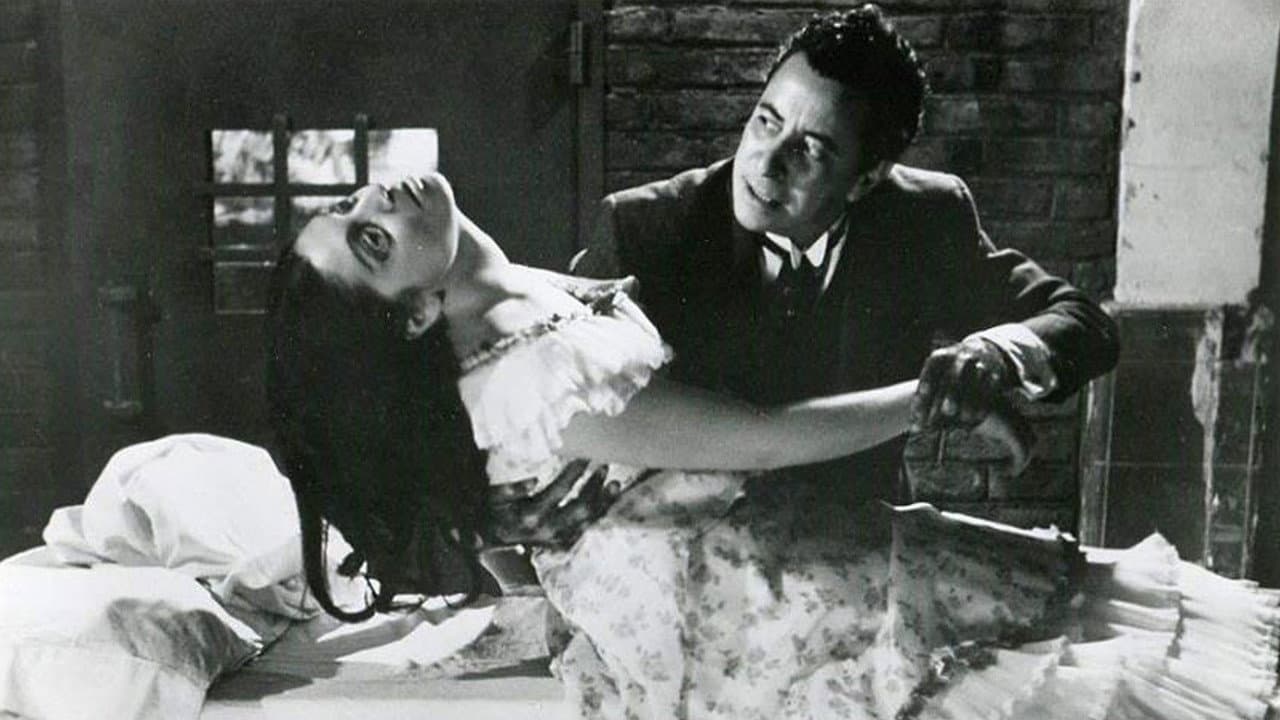
Pact with the Devil arrives as a lean, 78-minute plunge into the mind of a scientist who's crossed every ethical line in pursuit of immortality. The film centers on a doctor whose obsession with a youth serum consumes him entirely—his experiments grow increasingly gruesome, his methods increasingly unhinged, and his victims increasingly unfortunate. What starts as a premise rooted in the classic mad-scientist tradition evolves into something far more unsettling: a portrait of ambition without conscience. The narrative doesn't waste time with exposition; instead, it drops you directly into a world where the boundary between medical research and torture has already been obliterated. You're watching a man who's made a bargain—with himself, with fate, with something darker still—and now he's paying the price.
Behind the making of Pact with the Devil and its place in horror history
Pact with the Devil emerged in 1969, a year when horror cinema was fragmenting into new subgenres and independent productions were beginning to challenge studio conventions. The film's production involved a lean crew working with practical effects that were, frankly, more effective for their restraint than their spectacle. Unlike the big-budget horror productions of the era, this was a scrappier affair—the kind of movie that relied on atmosphere and implication rather than elaborate set pieces. The cast brought a certain gravitas to material that could've easily tipped into camp; they played it straight, which is exactly what the film needed. Runtime clocked at just 78 minutes, the film doesn't overstay its welcome, moving through its narrative with the efficiency of a fever dream. On IMDb, the film holds a 4.7/10 rating, which tells you something important: this isn't a crowd-pleaser, and it was never designed to be. It's the kind of movie that divides viewers sharply—some dismiss it as exploitation, others recognize it as a genuinely unsettling meditation on the cost of ambition. Box office data from the period is sparse, but the film's survival and current availability across streaming platforms suggests it's maintained a cult following among horror enthusiasts and genre historians.
What makes Pact with the Devil stand out as a forgotten gem of 1960s horror
There's something genuinely uncomfortable about watching this film, and I think that's precisely the point. The experiments themselves are suggested rather than shown in graphic detail—which somehow makes them worse. Your imagination fills in the blanks, and your imagination is always crueler than any special effect. What's striking is how the film refuses to let you off the hook with easy sympathy for the protagonist. He's not a tragic figure forced into darkness by circumstance; he's a man who chose this path, one small compromise at a time, until he looked in the mirror and didn't recognize himself anymore. The performances anchor the film in a kind of grim realism—nobody's chewing scenery, nobody's winking at the camera. They're playing people trapped in a nightmare, which is exactly what sells the material.
The cinematography works in shadows and close-ups, creating an intimacy that's deeply unsettling. You're forced into proximity with this doctor and his work, and that proximity breeds dread. Hard to say if modern audiences will connect with it the same way viewers in 1969 might have, but there's something timeless about the core anxiety: what if the person you trusted most was actually capable of anything? What if genius and madness were separated by nothing more than a single moral choice? That tension—that's what lingers after the credits roll.
Where to stream Pact with the Devil online
If you're curious to experience this cult oddity for yourself, Pact with the Devil is currently available on major OTT services. Movie OTT tracks streaming availability across platforms in real time, so you can see exactly where the film is currently streaming in your region. Rather than hunting across multiple apps, the where-to-watch widget at the top of this page will show you every platform carrying the title right now. Availability does shift seasonally, so if you've been meaning to watch it, checking the widget first will save you from the frustration of searching for a film that's just rotated off a service. The film's relatively short runtime makes it perfect for a late-night viewing session—it won't demand a huge time commitment, but it will demand your attention.
Frequently asked questions
Q: Who directed Pact with the Devil?
The film was directed by Luigi Chiarini, an Italian filmmaker who brought a methodical, almost documentary-like approach to the material. Chiarini's background in neorealist cinema informed the film's grounded, unglamorous aesthetic.
Q: Is Pact with the Devil based on a true story?
No, it's an original screenplay exploring the mad-scientist archetype, though the themes draw on real anxieties about unchecked medical experimentation and the ethics of scientific advancement—concerns that were particularly acute in the post-war period.
Q: How long is Pact with the Devil?
The film runs 78 minutes, making it a tight, efficient horror experience that doesn't linger or pad its runtime with unnecessary scenes.
Q: What's the IMDb rating for Pact with the Devil?
The film holds a 4.7/10 rating on IMDb, reflecting its divisive nature—some viewers find it a genuinely unsettling gem, while others find it dated or difficult to engage with.
Q: Where was Pact with the Devil filmed?
Much of the production took place on location in Calabria in Southern Italy, which lends the film an authentic, almost documentary quality in its exterior shots.
Final thoughts on Pact with the Devil
Pact with the Devil isn't for everyone, and that's okay. It's a film that trusts its audience to sit with discomfort, to read between the lines, and to recognize horror in restraint rather than spectacle. If you're drawn to 1960s horror that prizes atmosphere over jump scares, if you're interested in how filmmakers worked with limited budgets to create genuine dread, or if you're simply curious about the deeper cuts in the genre's history—then this film deserves your time. It won't be easy, but it'll stay with you.