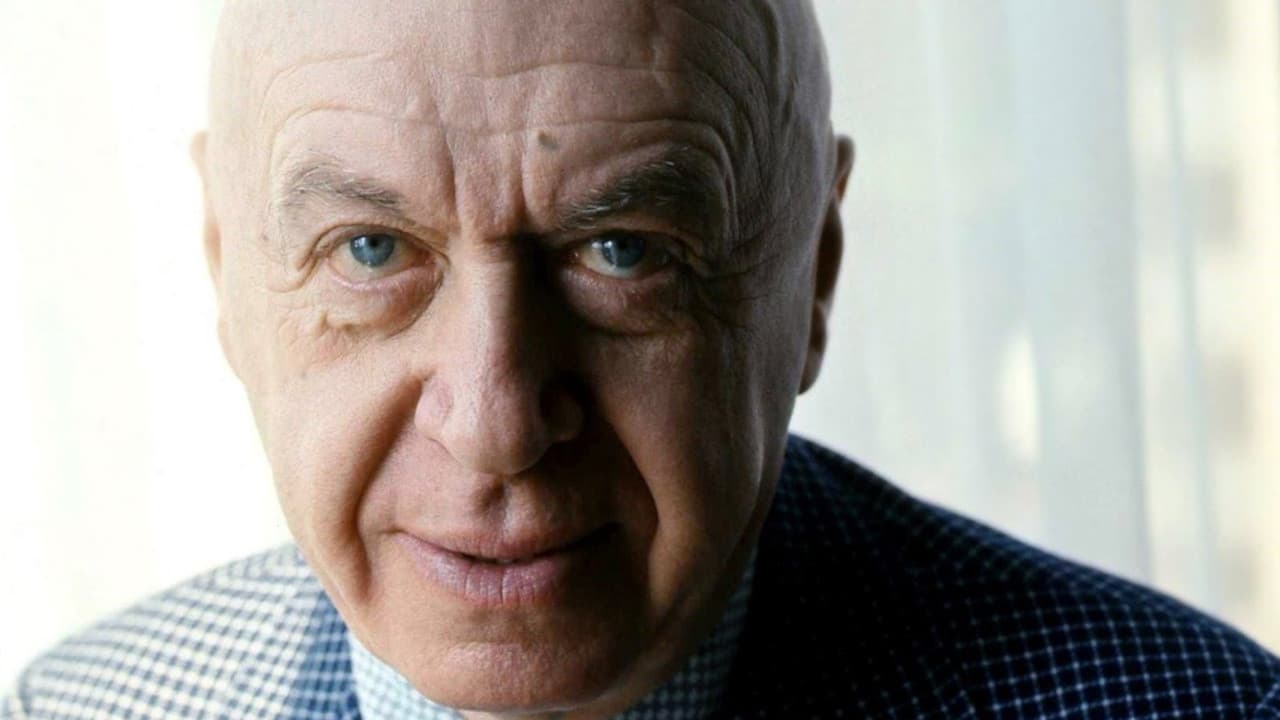
The story of Preminger: Anatomy of a Filmmaker
Preminger: Anatomy of a Filmmaker is a 1991 documentary that sets out to capture the life and career of Otto Preminger, the Austrian-American director who shaped Hollywood from the 1930s through the 1970s. Hosted by the distinguished actor Burgess Meredith, the film doesn't just catalog Preminger's filmography—it excavates the man behind the camera, the one whose reputation for iron-fisted control and artistic fearlessness made him both revered and feared on set. What emerges is a portrait of a filmmaker who pushed boundaries, challenged censorship, and refused to compromise his vision, even when studio executives and the Motion Picture Association stood in his way. The documentary traces his journey from European theater to becoming one of American cinema's most consequential—and least understood—auteurs.
Behind the making of Preminger: Anatomy of a Filmmaker
Produced by Otto Preminger Films and ORF (the Austrian Broadcasting Company), this 123-minute documentary arrived in 1991 as a retrospective that felt both timely and overdue. By then, Preminger's influence had been reassessed by a new generation of critics and filmmakers who recognized his contributions to breaking down Hollywood's rigid moral codes. The production team assembled an impressive roster of collaborators willing to speak candidly about their experiences working with the director. Frank Sinatra, who starred in "The Man with the Golden Arm," James Stewart from "Anatomy of a Murder," Vincent Price, and Michael Caine all appear on camera sharing anecdotes and insights that humanize the legend. The documentary doesn't shy away from Preminger's reputation for being controlling—in fact, it leans into that contradiction, letting actors describe both the frustration and the respect they felt working under his direction. The film earned an 8/10 rating on IMDb, reflecting its standing among both film historians and casual viewers as a serious, well-crafted examination of a complex figure.
What makes Preminger: Anatomy of a Filmmaker stand out
What's striking about this documentary is how it refuses to paint Preminger as either villain or saint. The interviews reveal a man who could be brutal in pursuit of artistic truth, yet who championed projects that Hollywood considered too risky or too provocative. His filmography reads like a catalog of boundary-pushing cinema: "Laura" (1944), "The Moon Is Blue" (1953)—which defied the Production Code by mentioning virginity and seduction—"The Man with the Golden Arm" (1955), which tackled drug addiction head-on, and "Anatomy of a Murder" (1959), which included frank discussions of rape and sexual dysfunction that shocked mainstream audiences. The documentary captures something that's often missing from retrospectives: the actual stakes of his choices. When Preminger fought the censors, he wasn't being difficult for the sake of it—he was fighting for the right to tell mature, morally complex stories. The thing nobody mentions is how lonely that must have been, standing against the entire system. Burgess Meredith's narration provides a steady, respectful voice-over that never condescends to the material, allowing the archive footage and interviews to breathe and accumulate weight. The pacing, while leisurely by modern standards, actually works in the film's favor—it mirrors the deliberate, considered approach Preminger himself brought to filmmaking.
Where to stream Preminger: Anatomy of a Filmmaker online
If you're interested in watching this documentary, you'll find it available across major OTT services—the exact platforms are listed in the "Where to Watch" widget at the top of this page. Movie OTT tracks current streaming availability across all the major platforms, so you can see exactly where it's playing right now in your region. The film's 123-minute runtime makes it a substantial commitment, but one worth carving out an evening for. It's the kind of documentary that rewards patient viewing, especially if you're planning to revisit some of Preminger's actual films afterward. Whether you're a devoted cinephile or someone who's curious about old Hollywood's power dynamics and artistic struggles, the streaming availability makes it easier than ever to access this piece of film history.
Frequently asked questions
Q: Who directed Preminger: Anatomy of a Filmmaker?
The documentary was produced by Otto Preminger Films and ORF (Austrian Broadcasting), with Burgess Meredith serving as host and narrator. It's a collaborative retrospective rather than a film directed by a single auteur.
Q: How long is Preminger: Anatomy of a Filmmaker?
The documentary runs 123 minutes, making it a full-length feature-documentary experience rather than a quick overview.
Q: Which actors appear in interviews in Preminger: Anatomy of a Filmmaker?
The film features interviews with Frank Sinatra, James Stewart, Vincent Price, Michael Caine, and other notable actors who worked directly with Otto Preminger during his career.
Q: What films by Otto Preminger are discussed in the documentary?
The documentary covers Preminger's major works including "Laura," "Forever Amber," "The Moon Is Blue," "The Man with the Golden Arm," "Anatomy of a Murder," "Exodus," "Advise and Consent," and "In Harm's Way," spanning from the 1930s through the 1970s.
Q: Is Preminger: Anatomy of a Filmmaker available to stream?
Yes, the documentary is currently available on major OTT services. Check the "Where to Watch" widget on this page for current availability in your region.
Final thoughts on Preminger: Anatomy of a Filmmaker
Preminger: Anatomy of a Filmmaker stands as an essential document for anyone serious about understanding how Hollywood changed. It's a film that respects its subject while remaining honest about his flaws—a rare balance in retrospectives. The interviews feel genuine, the archival material is well-chosen, and the overall effect is one of genuine insight into both a man and an era. If you haven't seen it, Movie OTT makes it simple to find where it's streaming. Whether you're revisiting Preminger's actual films or encountering his legacy for the first time, this documentary provides the context and the human detail that transforms his work from impressive-but-distant into something genuinely moving and relevant.