
The Story of Ramona and Forbidden Love
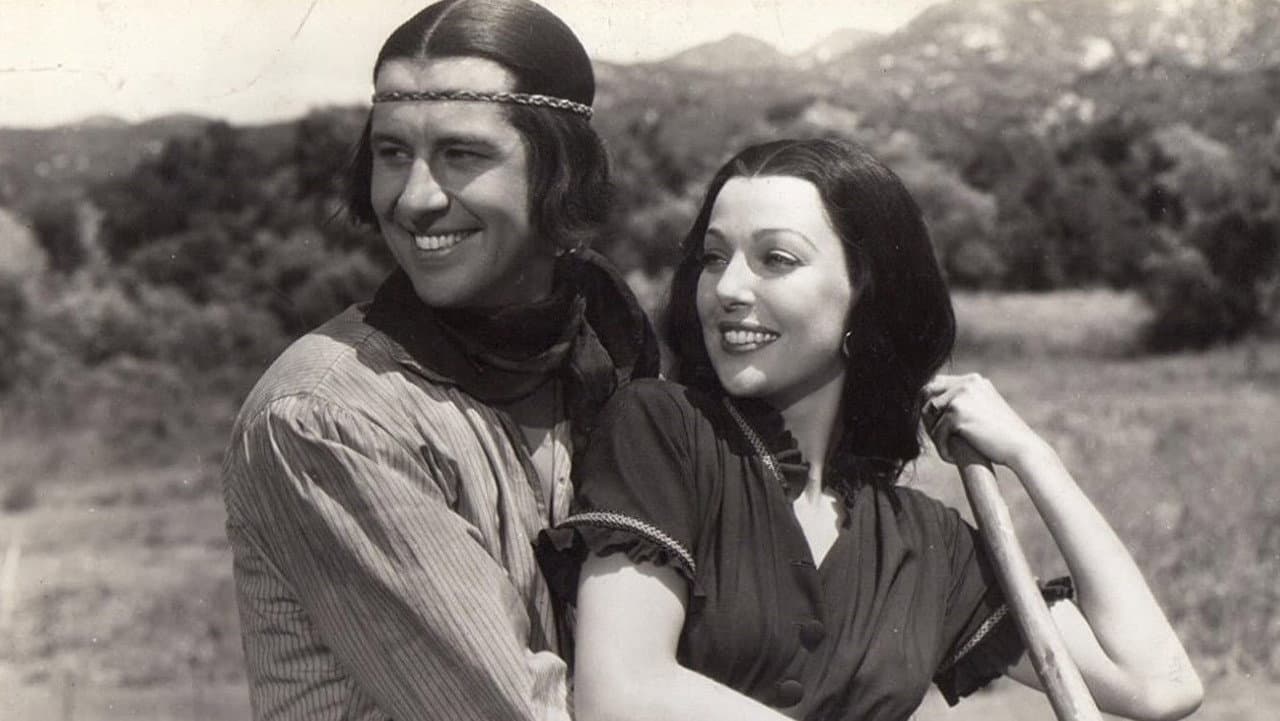
Ramona tells the story of a young woman of mixed heritage raised in a wealthy household who finds herself at the center of a romantic conflict that threatens to tear her world apart. She's loved by the son of the house—a man whose family would never accept such a union—while she herself harbors deep feelings for another man employed on the estate, a fellow Indian whose station in life seems to promise even greater heartbreak. It's a tale about desire running headlong into the rigid social structures of the American West, where bloodline and class determine destiny. The film doesn't shy away from the central tension: what happens when the heart wants what society forbids.
Behind the Making of Ramona and Its Technicolor Innovation
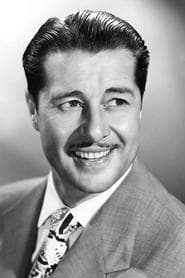
Ramona arrived in 1936 as the third film adaptation of Helen Hunt Jackson's 1884 novel, but with one crucial distinction—it was the first to feature sound. Director Henry King brought the story to the screen with Loretta Young and Don Ameche in the lead roles, two of Hollywood's most bankable stars at the time. What truly set this version apart, though, was its use of the three-strip Technicolor process. This wasn't just any color film; Ramona was only the fourth American feature to employ this revolutionary technology, which meant audiences were seeing vibrant, saturated hues that earlier black-and-white versions could never deliver. The official tagline promised "In The New Perfected Technicolor," and the studio knew they had something visually stunning to sell. Filming wrapped in just over a month—production began May 11, 1936 and concluded June 29, 1936—a remarkably tight schedule even by the standards of the era. 20th Century Fox invested heavily in both the cast pedigree and the technical innovation, betting that the combination of star power and cutting-edge color cinematography would draw audiences into theaters. The IMDb rating of 5.8/10 suggests the film's reputation has softened considerably over the decades, though contemporary audiences may find the Technicolor work alone worth revisiting.
What Makes Ramona's Romance Stand Out
What's striking about Ramona is how the film uses its visual splendor to heighten the emotional stakes rather than distract from them. The lush Technicolor palette—those deep greens, warm earth tones, and brilliant skies—creates a world of almost dreamlike beauty that contrasts sharply with the social realities the characters face. Young's performance carries much of the film's emotional weight; she plays Ramona with a kind of quiet defiance, someone aware of her precarious position but unwilling to simply accept it. Don Ameche, meanwhile, brings a certain earnestness to his role, though the real tension comes not from his character's passion but from the way the film frames the impossible choice before Ramona. The thing nobody mentions is how the 1936 version grapples with questions of belonging and identity that still feel relevant—what does it mean to be caught between two worlds, accepted fully by neither? The romance isn't just about two people falling in love; it's about the systems that make that love dangerous. At 84 minutes, the film doesn't overstay its welcome, moving briskly through plot points while still allowing moments of genuine tenderness to breathe. The supporting cast grounds the narrative in the social hierarchy of the time, making the prejudices Ramona faces feel less like abstract concepts and more like lived oppression.
Where to Stream Ramona Online
If you're interested in seeing this piece of Hollywood history for yourself, Ramona is currently available on major OTT services. The Movie OTT streaming aggregator tracks current availability across platforms, so you can find exactly where it's playing right now in your region. Rather than hunting through multiple apps, Movie OTT consolidates this information so you don't waste time. Whether you're a classic film enthusiast or simply curious about early Technicolor cinema, you'll find the where-to-watch widget at the top of this page listing every platform currently streaming Ramona. The 1936 version remains surprisingly accessible, which is fortunate given how many adaptations of Jackson's novel have come and gone over the decades.
Frequently asked questions
Q: Is Ramona based on a true story?
No, Ramona is based on Helen Hunt Jackson's 1884 novel of the same name, which itself was a work of fiction inspired by the author's observations of Native American life in California. Jackson wrote the novel as a critique of how indigenous peoples were treated during the American expansion westward.
Q: Who directed Ramona and who starred in it?
Henry King directed the 1936 version, with Loretta Young and Don Ameche in the lead roles. This was the first sound adaptation of Jackson's novel, and it became notable for being only the fourth American feature film to use the three-strip Technicolor process.
Q: How long is the 1936 Ramona film?
The film runs 84 minutes, making it a relatively compact drama that moves at a steady pace without excessive subplots.
Q: What was special about the Technicolor process used in Ramona?
Ramona employed the three-strip Technicolor process, which was still cutting-edge in 1936. This technology produced vibrant, saturated colors that made the film visually distinctive—the studio even advertised it as "In The New Perfected Technicolor" to highlight this technical achievement.
Q: Why did it take until 1936 for a sound version of Ramona?
The novel had been adapted twice before (in 1910 and 1928), but those were silent films. By 1936, sound technology had matured enough to allow studios to remake classic stories with dialogue, and the addition of Technicolor made this version feel like a genuinely new interpretation rather than just a rehash.
Final Thoughts on Ramona
Ramona deserves a second look, particularly if you're interested in how early Hollywood tackled questions of race, class, and belonging—even if the film doesn't always get the answers right by modern standards. The Technicolor cinematography alone makes it worth watching; there's something almost hypnotic about seeing a 1936 film in such vivid color. Don't expect a perfect film, but do expect one that's historically fascinating and visually rewarding. It's the kind of picture that reminds you why classic cinema matters.