The story of Red Zone Cuba
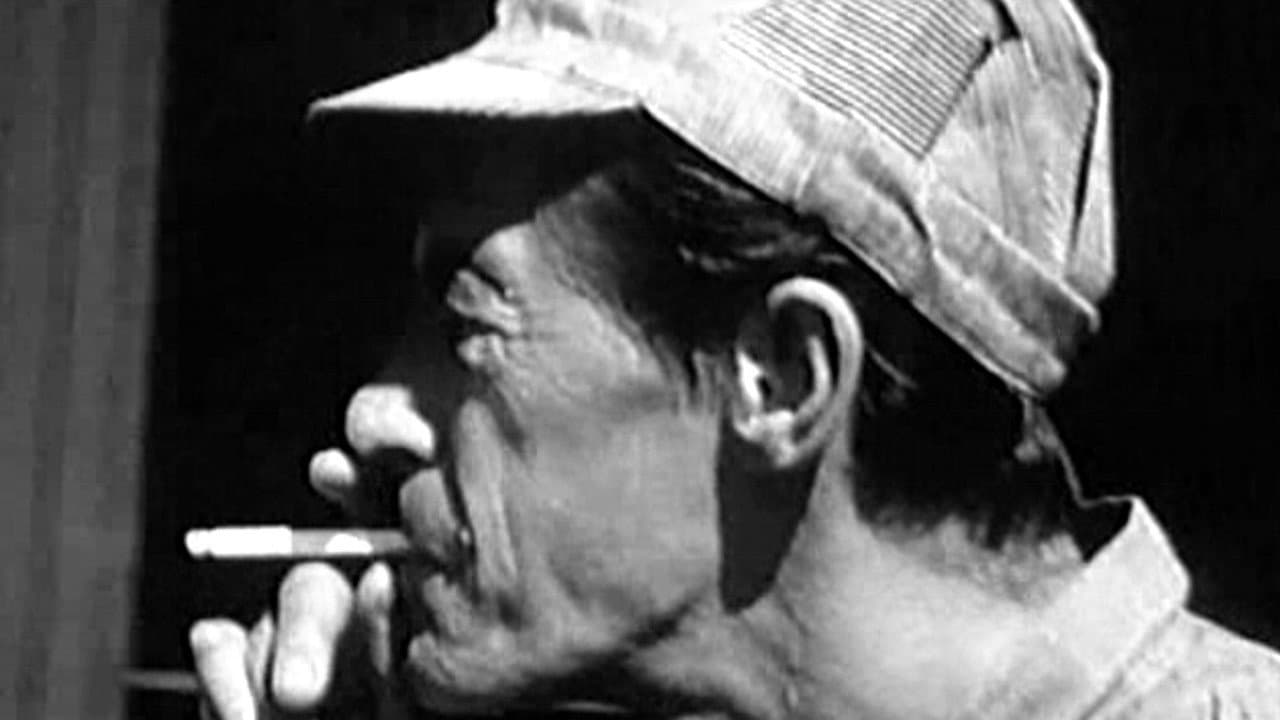
Red Zone Cuba opens with a man on the run. Griffin, fresh out of jail and hungry for a score, recruits two local ex-convicts to help him pull off what seems like a straightforward scheme—invade Cuba, find treasure, get rich. Except nothing goes straight in this film. What starts as a half-baked criminal caper spirals into something far stranger: our trio finds themselves caught up in the actual chaos of the 1961 Bay of Pigs Invasion, captured by a Castro look-alike, and subjected to treatment that's decidedly sub-human. When Griffin hatches an escape plan, the question becomes whether sheer desperation and cunning can possibly save them. The plot meanders. It doubles back on itself. But that's precisely where the film's peculiar power lives—in its refusal to follow a conventional arc, in the way it treats geopolitical upheaval as backdrop for personal survival.
Behind the making of Red Zone Cuba
Red Zone Cuba was written, directed, and co-produced by Coleman Francis, who also starred in the lead role as Griffin. Released in 1966 by Hollywood Star Pictures, the film arrived during a moment of genuine Cold War anxiety—the Bay of Pigs Invasion was only five years in the rearview mirror, still raw in the American consciousness. Francis, a jack-of-all-trades filmmaker working outside the studio system, brought a peculiar sensibility to the material: part art-house ambition, part exploitation-picture hustle. The production itself was modest, shot on what appears to be a shoestring budget with locations that feel simultaneously real and stagey. No major stars anchored the cast—this was regional cinema, the kind of picture that played drive-ins and independent theaters rather than multiplexes. The film never achieved significant box-office success and garnered no major awards recognition, which only deepened its obscurity for decades. What emerged instead was something stranger than commercial success: a film that would eventually be rediscovered not by mainstream critics, but by internet communities fascinated by its sheer oddness. Movie OTT now tracks where titles like this have found new life on streaming platforms, making once-impossible-to-find films accessible to a new generation of curious viewers.
What makes Red Zone Cuba stand out
Here's the thing about Red Zone Cuba: it doesn't work in any traditional sense. The pacing is glacial. The dialogue feels stilted. The action sequences lack coherence. And yet—and this matters—there's something genuinely compelling about watching a filmmaker swing for the fences, even when they whiff. Coleman Francis's performance as Griffin carries a kind of dogged intensity; he's not a charismatic lead, which actually makes his desperation feel more authentic. What's striking is how the film treats its geopolitical setting not as mere backdrop but as genuine catastrophe, a moment where individual ambition collides with historical forces beyond anyone's control. The Bay of Pigs material, which could've been exploitative window-dressing, becomes almost thematically central—these small-time criminals are caught in something vastly larger than themselves, and the film doesn't shy away from that vertigo. The supporting cast, while unpolished, brings a kind of naturalism that more professional productions often lack. Honestly, the film's reputation has been shaped by its IMDb rating of 2.774/10, which has made it a kind of badge of honor in bad-movie circles. But that numerical judgment misses what makes it genuinely interesting: it's a film that tried to do something ambitious and failed in fascinating ways. Movie OTT's streaming guides have helped rehabilitate the reputation of films like this by providing context and accessibility, allowing viewers to form their own judgments rather than relying solely on decades-old critical consensus.
How to watch Red Zone Cuba online
Red Zone Cuba is currently available on major OTT services—the specific platforms rotate, but Movie OTT maintains an up-to-date "Where to Watch" widget at the top of this page that shows you exactly where the film is streaming right now. Whether you're looking to revisit it or discover it for the first time, you'll find it listed across the major platforms. The 89-minute runtime makes it a manageable watch even for skeptics, and the film's cult status means you'll find plenty of online communities discussing it in real time. Don't expect a polished experience—expect something rougher, stranger, more human in its failures.
Frequently asked questions
Q: Who directed Red Zone Cuba?
Coleman Francis directed, wrote, and co-produced the film while also starring as the protagonist, Griffin. Francis was a prolific independent filmmaker working outside the studio system during the 1960s.
Q: Is Red Zone Cuba based on a true story?
While the film incorporates the real historical event of the 1961 Bay of Pigs Invasion, the characters and plot are fictional. The invasion serves as a backdrop for the characters' personal survival story rather than a factual retelling.
Q: What's the runtime of Red Zone Cuba?
The film runs 89 minutes, making it a relatively compact viewing experience despite its meandering narrative structure.
Q: Why is Red Zone Cuba considered a cult film?
The film has developed a cult following primarily through internet communities fascinated by its unconventional storytelling, unpolished production values, and ambitious-but-misguided execution. Its low IMDb rating paradoxically increased curiosity about it.
Q: Where can I watch Red Zone Cuba?
Red Zone Cuba is available on multiple major streaming platforms. Check the "Where to Watch" widget at the top of this page for current availability in your region.
Final thoughts on Red Zone Cuba
Red Zone Cuba won't be everyone's cup of coffee. It's slow, it's weird, it doesn't have a traditional hero's journey. But if you're the kind of viewer who finds genuine fascination in films that miss their mark while reaching for something bigger—films that reveal their ambitions through their failures—then this 1966 oddity deserves your attention. It's a document of a particular moment in American cinema, when independent filmmakers could still make genuinely strange pictures without algorithm-driven focus groups. Watch it with patience. Watch it knowing it won't deliver conventional thrills. And maybe, just maybe, you'll understand why it's endured as a cult object for over fifty years.