






What Sahara (1983) Is Really About
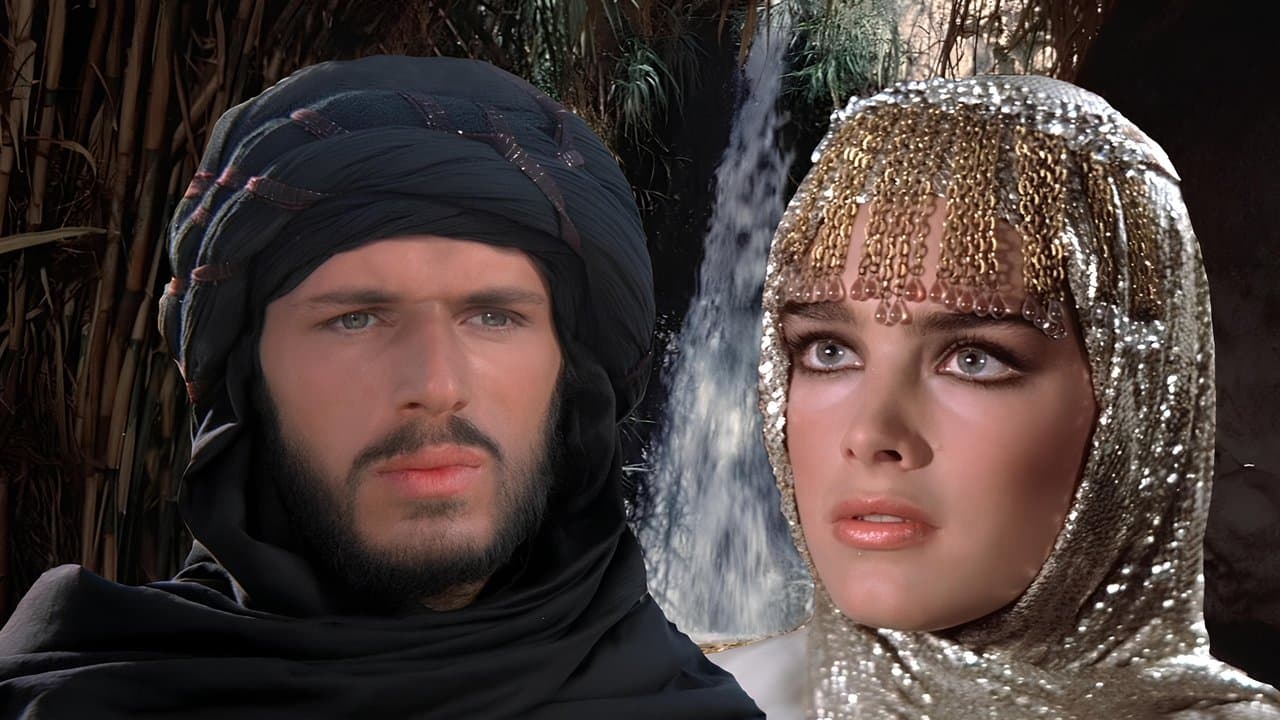
Sahara opens on a premise that sounds almost too audacious for its era: a wealthy young woman named Dale, determined to honor her late father's legacy, decides to enter herself into a grueling automobile race across the Sahara Desert—but she'll have to do it disguised as a man. It's the kind of setup that could've been played purely for laughs, yet the film treats it with genuine stakes. What follows isn't just a race against the clock or the landscape, but a journey into self-discovery wrapped in desert dust, mechanical breakdowns, and the kind of romantic entanglements that only happen when two people are trapped in a car for days at a time. The 111-minute runtime moves briskly through landscapes that dwarf the characters, making the personal drama feel both intimate and epic.
Behind the Making of Sahara (1983)
Director Andrew McLaglen helmed this production with the kind of old-school adventure sensibility that was already becoming rare by the early 1980s. The Cannon Group, working alongside Golan-Globus Productions and MGM, assembled a cast that brought genuine international credibility to what could've been a B-movie premise. Brooke Shields carries the film as Dale, supported by Lambert Wilson, Horst Buchholz, John Rhys-Davies, and veteran actor John Mills. Perhaps most notably, the original score was composed by Ennio Morricone—yes, the Ennio Morricone—whose sweeping orchestral work gives the desert sequences a gravitas that elevates the entire enterprise. The production itself was a logistical challenge; shooting in actual desert locations meant contending with heat, sand, and the unpredictability of location shooting in the pre-digital era. Movie OTT tracks where films like this have ended up in the streaming landscape, and Sahara's journey to multiple platforms reflects how adventure films of this era have found renewed appreciation among viewers hungry for practical effects and real stunt work.
Why Sahara Works Despite the Odds
What's striking about Sahara is how it doesn't wink at its own absurdity. The premise—a woman passing as a man—could be played for comedy, but the film commits to treating Dale's deception as both a practical necessity and a genuine emotional journey. Shields brings an earnestness to the role that grounds what could've been cartoonish. The chemistry between her and Wilson crackles with the kind of tension that only develops when two people are constantly in close quarters, bickering about navigation while the landscape tries to kill them both. There's something almost Hawksian about the dynamic—two competent people who don't quite trust each other at first, forced to become a team. The action sequences, shot with real vehicles crossing actual desert terrain, have a tactile quality that modern CGI-heavy adventure films sometimes lack. When a car breaks down, it actually breaks down. When they're stranded, you can feel the heat radiating off the screen. Morricone's score doesn't oversell emotional moments; instead, it lets the characters' expressions and the vast emptiness around them do the heavy lifting.
I keep coming back to the fact that this film exists at a strange intersection of old Hollywood sensibilities and 1980s excess. It's got the romance and character work of a classic adventure film, but it's also got the kind of budget and ambition that only Cannon Group would throw at something this peculiar. The supporting cast—Rhys-Davies especially—brings a lived-in quality to roles that could've been mere obstacles. Even the film's weaknesses—and the IMDb rating of 5.7 suggests plenty of critics found them—come from a place of genuine ambition rather than cynicism.
Where to Stream Sahara (1983) Online
Finding Sahara on streaming can feel like its own desert expedition, but the film is currently available on major OTT services. Rather than hunting blindly across platforms, check the Where to Watch widget at the top of this page—it'll show you exactly which services carry it in your region right now. Streaming availability shifts constantly, so that real-time widget is your best bet for current information. Movie OTT keeps tabs on these changes across Netflix, Prime Video, and other major platforms, so you won't waste time searching. The film's 111-minute runtime makes it perfect for a weekend viewing session, and seeing it on a larger screen really does justice to those desert vistas.
Frequently asked questions
Q: Who directed Sahara (1983)?
Andrew McLaglen directed the film, bringing his old-school adventure sensibility to the project. McLaglen had a long career in action and western films, which shows in how he frames the desert sequences with genuine scale and scope.
Q: Is Sahara (1983) based on a true story?
No, Sahara is a fictional adventure story. While cross-desert races have existed, Dale's story and her disguise are entirely invented—though the film treats them with the kind of seriousness that makes you almost believe it could've happened.
Q: Who composed the score for Sahara?
Ennio Morricone composed the original music, bringing his considerable talents to underscore the film's desert landscapes and romantic tension. His work elevates the entire production.
Q: What's the runtime of Sahara (1983)?
The film runs 111 minutes, which gives it enough breathing room to develop both the action sequences and the character dynamics without feeling bloated.
Q: Why is Sahara rated 5.7 on IMDb?
Critical reception was mixed—some viewers found the premise campy or the pacing uneven, while others appreciated its earnest commitment to old-fashioned adventure storytelling. It's one of those films that's more enjoyable if you're in the right headspace for its particular blend of romance and action.
Final Thoughts on Sahara (1983)
Sahara won't appeal to everyone, and that's fine. It's a film that requires you to buy into its central conceit and enjoy the kind of practical adventure filmmaking that's become increasingly rare. If you appreciate real locations, genuine chemistry between leads, and a score by one of cinema's greatest composers, it's absolutely worth your time. The film's commitment to its premise—and to letting the desert itself become a character—gives it staying power. It's the kind of movie that benefits from rewatching, where you notice new details in the landscape work and appreciate the supporting performances more fully.