The story of Savior: A soldier's reckoning
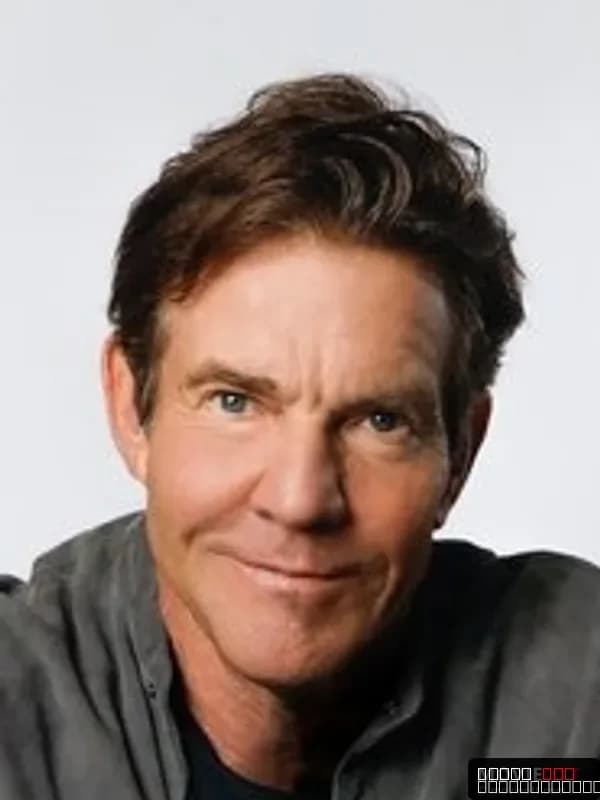
Savior is a 1998 war drama that follows a U.S. mercenary working with the Foreign Legion—a man hollowed out by personal tragedy and years of violence—as he's forced to confront the cost of his choices when tasked with escorting a Bosnian Serb woman and her newborn child to a United Nations safe zone during the Bosnian War. The premise is deceptively simple: one man, one woman, one child, and the war-torn landscape of 1990s Bosnia standing between them and safety. But what unfolds is far more complex than a straightforward survival narrative. The film doesn't shy away from the brutal realities of ethnic conflict, the moral ambiguity of soldiers-for-hire, or the possibility of redemption in the most unlikely circumstances. Dennis Quaid anchors the entire film with a performance that strips away the Hollywood veneer most actors maintain—this is a character who's been broken by loss and hardened by mercenary work, and Quaid commits fully to that deterioration and slow, painful reconstruction.
Behind the making of Savior: Production, cast, and Oliver Stone's vision
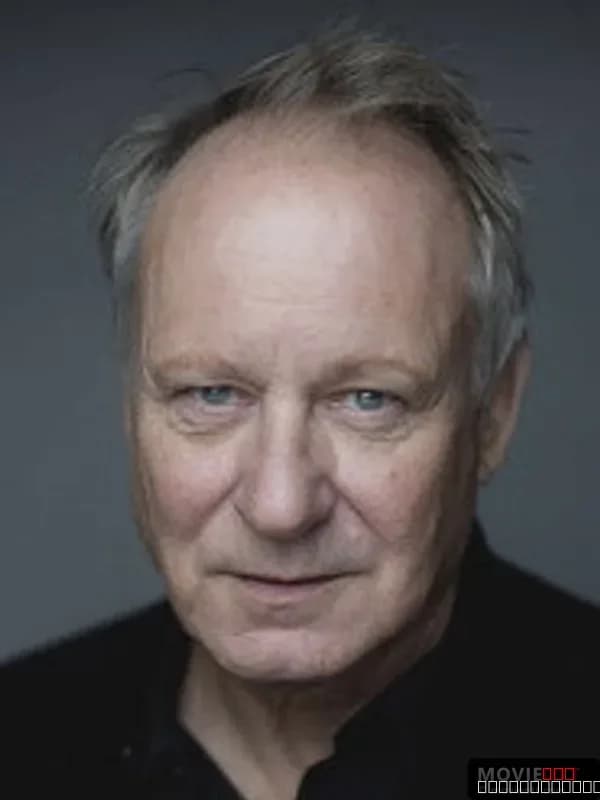
Savior arrived in theaters with significant pedigree behind it. The film was produced by Oliver Stone, the acclaimed director whose own war films—Platoon and Born on the Fourth of July—had established him as a filmmaker unafraid to examine violence and its psychological toll. Stone's involvement signaled that this wouldn't be a glossy action picture, but rather a serious examination of conflict and its human consequences. Director Predrag Antonijević, a Bosnian filmmaker, brought authentic regional perspective to the project, lending the film a credibility that outsider directors might have struggled to achieve. The cast assembled around Quaid reflects the film's international scope: Swedish actor Stellan Skarsgård, German-American actress Nastassja Kinski, and Serbian actress Nataša Ninković round out a ensemble that spans continents and cultures—mirroring the very nature of the conflict the film depicts.
The 99-minute runtime is lean and purposeful, never wasting time on subplot padding. What's striking is how much thematic weight Antonijević packs into that running time without the film ever feeling rushed or overstuffed. The production design captures the devastation of Bosnia with unflinching authenticity—ruined buildings, checkpoints, the everyday machinery of war—that grounds the narrative in a specific historical moment rather than allowing it to drift into abstraction. On release, the film found modest box office success, though critical reception was more divided than audiences might have expected. It earned an IMDb rating of 6.6/10, a respectable score that reflects both its power and its refusal to offer easy answers or comfortable catharsis.
What makes Savior stand out among war dramas
Here's what I keep coming back to: most war films are either about the combat itself or about soldiers processing trauma after the fact. Savior does something trickier—it's about a man discovering his own capacity for connection and decency in real time, while surrounded by evidence that humanity is negotiable. The relationship between Quaid's character and the woman he's protecting (Kinski) develops with remarkable restraint. There's no forced romance, no Hollywood sentiment. Instead, there's a gradual recognition of shared vulnerability, a slow thaw in someone who thought he'd frozen all his feelings away. Pascal Rollin's performance as the child adds another layer—not as a prop or a symbol, but as a living presence that complicates everything.
What audiences and critics noted most was Quaid's willingness to play a character who's genuinely broken—not the kind of broken that gets fixed by a good montage or a woman's love, but the kind that requires him to actively choose, moment by moment, to do the right thing despite every instinct telling him it's futile. The violence in the film isn't stylized or thrilling; it's messy and often off-screen, which somehow makes it more disturbing. You feel the weight of atrocities without needing to see every graphic detail. That restraint is what separates Savior from exploitation or glorification. Variety reported that the film's unflinching approach to its subject matter—particularly its depiction of ethnic violence—made it a challenging watch for some viewers, but that difficulty is precisely where its artistic integrity lives.
Where to stream Savior online
Savior is currently available on Prime Video, where you can stream it directly through your existing subscription. If you're hunting for where to watch this film, Movie OTT tracks real-time streaming availability across all major platforms, so you can confirm current access before you hit play. Prime Video's library includes a strong collection of serious drama and war films, and Savior fits comfortably within that catalog. The platform's streaming quality is reliable, and the 99-minute runtime means you can watch the entire film in a single sitting without major time commitment. The Where to Watch widget at the top of this page will show you all current platforms carrying the title, updated regularly so you won't waste time searching.
Frequently asked questions
Q: Is Savior based on a true story?
While Savior is a fictional narrative, it draws heavily from the real events of the Bosnian War and the experiences of soldiers and civilians caught in that conflict. The film's authenticity comes from its grounding in actual historical circumstances and the documented atrocities that occurred during the 1990s conflict.
Q: Who directed Savior?
Predrag Antonijević, a Bosnian filmmaker, directed the film. His background gave him unique insight into the regional context and allowed him to approach the material with both emotional resonance and historical accuracy.
Q: What's the runtime of Savior?
The film runs 99 minutes, a lean length that keeps the narrative focused and intense without excess padding.
Q: Who stars in Savior?
Dennis Quaid leads the cast as the mercenary protagonist, supported by Stellan Skarsgård, Nastassja Kinski, and Nataša Ninković, among others. Quaid's performance is widely considered the strongest element of the film.
Q: Was Savior produced by a major filmmaker?
Yes—Oliver Stone, the acclaimed director of Platoon and Born on the Fourth of July, produced the film, lending it significant credibility and serious artistic intent.
Final thoughts on Savior
Savior isn't a comfortable film, and it doesn't pretend to be. It's a movie about moral collapse and slow reconstruction, about the possibility of finding your humanity again even after you've convinced yourself it's gone for good. Dennis Quaid's performance alone makes it worth watching—this is him at his most vulnerable and unguarded. If you're looking for a war drama that doesn't rely on heroic posturing or easy redemption, Savior delivers something rarer: a genuine reckoning with violence, complicity, and the fragile possibility of change. Stream it on Prime Video and don't expect comfort. Expect something harder to shake off.