

The story of Second Skin: Identity, love, and lethal deception
Second Skin opens on a man who's managed to break free from a violent, shadowy past. He's acquired a new identity—a fresh start, the kind most people only dream about. But freedom comes with a cost, and it doesn't last long. When he allows himself to fall in love again, he discovers something that shatters everything: the woman he's fallen for has been sent to kill him. It's the kind of plot twist that doesn't just upend the romance—it erases the entire foundation of trust the story's been building. From that moment forward, the film operates under a simple, brutal rule: no one is who they appear to be. Every glance, every confession, every moment of intimacy carries the weight of potential betrayal.
The premise itself isn't entirely new to cinema. Spy thrillers have long trafficked in false identities and hidden agendas. What makes Second Skin's setup compelling is its focus on the emotional toll of that world. This isn't just about espionage tradecraft or international intrigue—it's about what happens when you try to be human while living a lie, and what it costs when someone you love turns out to be a lie themselves.
Behind the making of Second Skin: Production, cast, and international scope
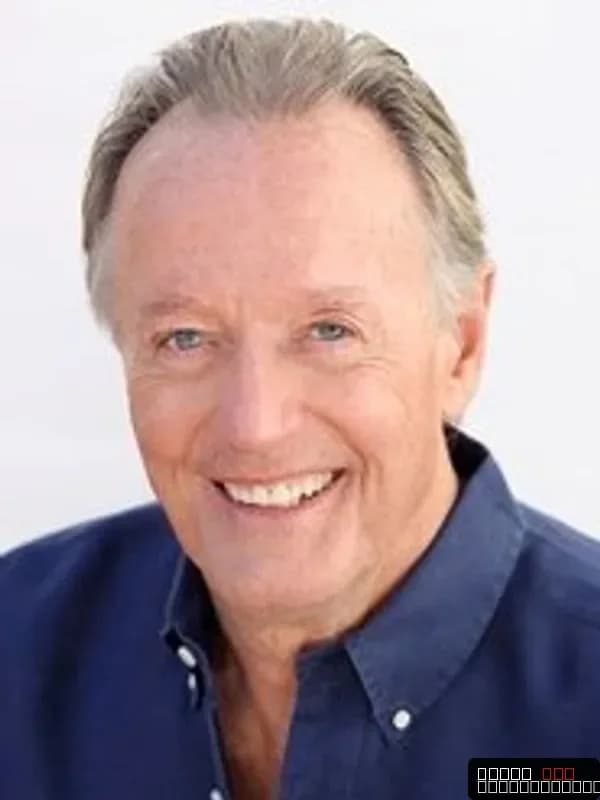
Director Darrell James Roodt brought Second Skin to life as a co-production between South Africa, the United Kingdom, and Canada—a rare international collaboration that speaks to the film's ambitions to reach beyond a single market. Roodt, known for his work in South African cinema, assembled a cast with recognizable names across multiple continents. Natasha Henstridge, best known for her role in Species, carries the film's emotional weight and moral ambiguity. She's paired with Angus Macfadyen, a Scottish actor with a knack for playing morally complex characters, who brings a certain weariness to the role of a man trying to escape his past. Peter Fonda—the veteran actor and son of Henry Fonda—rounds out the ensemble, lending gravitas to what would have been a supporting role in less capable hands.
The supporting cast includes Liam Waite, Ana Alexander, André Jacobs, and Norman Anstey, each contributing to the film's international flavor. This wasn't a Hollywood production with unlimited resources, but rather a lean, focused thriller made on a modest budget. The 90-minute runtime reflects that efficiency—there's no fat here, no extended sequences that don't serve the plot. The film was shot to move, to keep viewers off-balance, much like its protagonist. While Second Skin didn't generate major box office returns or awards recognition during its theatrical run, it found its audience in the home-video and streaming era, where spy thrillers and identity-driven dramas have become increasingly popular.
What makes Second Skin stand out: Performances and the paranoia of false identity
What's striking about Second Skin is how it commits to its premise without winking at the camera. This isn't a film trying to be clever or ironic about spy-thriller conventions. Instead, it takes the emotional stakes seriously. Henstridge's performance walks a tightrope—she has to be convincing as a woman falling in love while simultaneously harboring a secret mission to assassinate the man she's supposedly falling for. That's a difficult balance to strike, and it requires an actor who can convey multiple emotional truths at once without signaling which one is "real." Macfadyen, meanwhile, carries the paranoia that slowly consumes his character. As the film progresses and he begins to suspect the truth, we see the walls go up, the vulnerability evaporate. He's not just playing a man in love—he's playing a man learning that love might be the most dangerous weapon of all.
The film doesn't shy away from the moral messiness of its own story. I keep coming back to the fact that neither character is entirely sympathetic, and yet both are entirely human. One is a killer with a mission; the other is a man running from his past who's desperate enough to believe in redemption. When these two collide, there's no obvious good guy, no clear victim. That ambiguity—that refusal to let viewers settle into comfortable moral positions—is what elevates Second Skin beyond a standard action thriller. It's asking uncomfortable questions about whether love can exist in the absence of truth, and whether a person can ever truly escape who they were, no matter how hard they try or how many new identities they adopt.
Where to stream Second Skin online
If you're looking to watch Second Skin, you'll find it available on Prime Video, where it's easy to access as part of the platform's extensive thriller library. For those tracking where their favorite films are streaming, Movie OTT keeps an updated database of which platforms carry which titles—no more hunting across five different services to find what you want. The "Where to Watch" widget at the top of this page shows you current availability, so you can start watching Second Skin right now without the usual streaming runaround. It's the kind of convenience that makes revisiting older thrillers like this one much easier than it used to be.
Frequently asked questions
Q: Who directed Second Skin?
Second Skin was directed by Darrell James Roodt, a South African filmmaker known for his work in international cinema. Roodt brought a lean, focused approach to the spy-thriller genre.
Q: Where can I watch Second Skin?
Second Skin is currently available to stream on Prime Video. You can check the streaming widget on this page for the most up-to-date availability information across platforms.
Q: What is the runtime of Second Skin?
The film runs 90 minutes, making it a tight, efficiently paced thriller that doesn't linger on scenes that don't advance the plot.
Q: Is Second Skin based on a true story?
No, Second Skin is a fictional spy thriller. The story was created specifically for the screen and doesn't draw from real historical events or figures.
Q: Who stars in Second Skin?
The film features Natasha Henstridge in the lead role, alongside Angus Macfadyen, Peter Fonda, Liam Waite, Ana Alexander, André Jacobs, and Norman Anstey. It's an international cast that reflects the film's co-production origins.
Final thoughts on Second Skin
Second Skin won't win any popularity contests—its 4.9 IMDb rating reflects the fact that audiences are divided on whether it succeeds in what it's attempting. But that's partly the point. A film about deception and hidden identities shouldn't be universally beloved. It should provoke disagreement, should make some viewers frustrated and others fascinated. If you're drawn to spy thrillers that care more about emotional truth than action sequences, or if you're interested in how actors navigate morally gray characters, Second Skin deserves a look. It's the kind of film that lingers, that makes you reconsider scenes after you've finished watching. Not every film needs to be for everyone—some are just for the people who get what they're trying to do.