



The Story of Sergeant Ryker
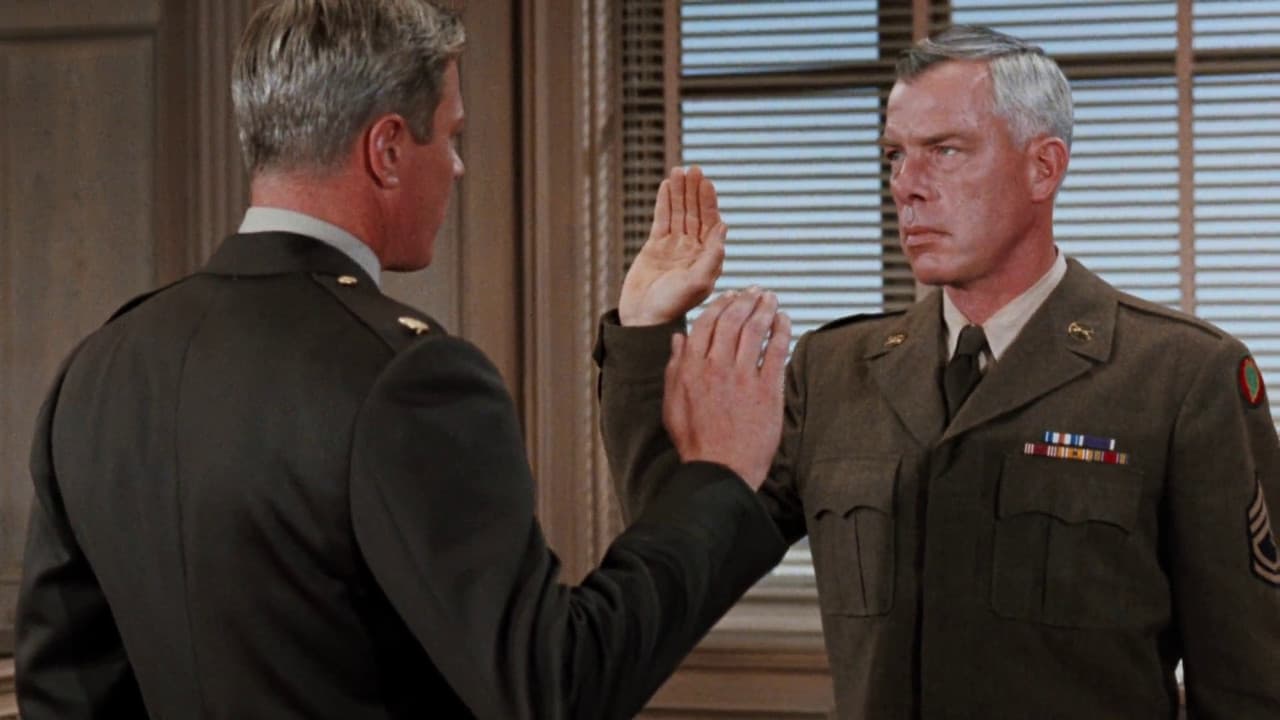
When the Korean War ended, not all the battles did—at least not for Sergeant Paul Ryker. Accused of defecting to Communist China and returning as a spy, Ryker finds himself at the center of a military court-martial that will determine whether he lives or dies. The charge is treason. The evidence is circumstantial. The stakes couldn't be higher. What makes Sergeant Ryker compelling isn't just the courtroom drama, though—it's the way the film forces you to sit with ambiguity, to question what loyalty really means when nations and ideologies collide, and to wonder whether the military justice system can ever truly be fair to a soldier caught between two worlds.
Behind the Making of Sergeant Ryker
Sergeant Ryker emerged from Universal Pictures in 1968, arriving at a moment when American audiences were deeply divided over war itself. The film was produced during the Vietnam conflict, a time when questions about soldier conduct, patriotism, and the nature of betrayal weren't abstract—they were happening in real time across the country. The 85-minute runtime keeps the narrative tight and focused, refusing to let the tension dissipate across a bloated runtime. Universal's approach was deliberately grounded; this wasn't a sprawling war epic but a concentrated psychological and legal thriller.
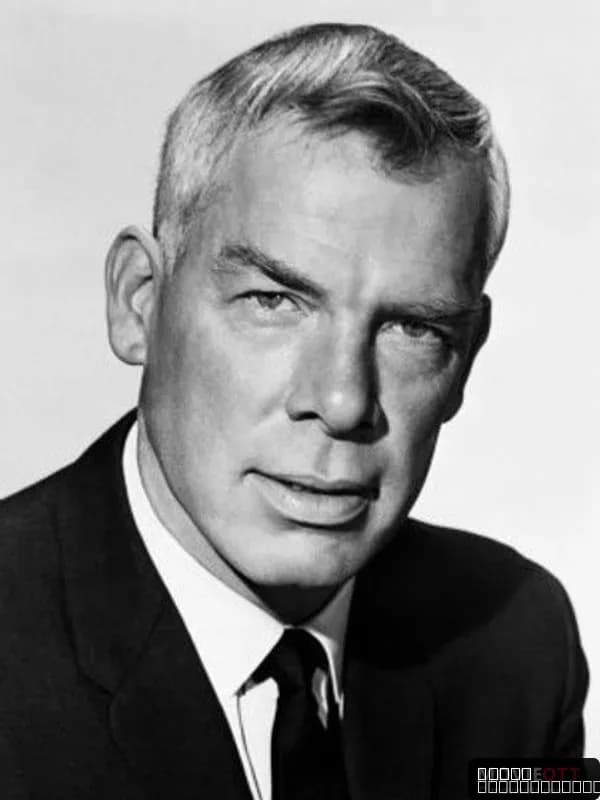
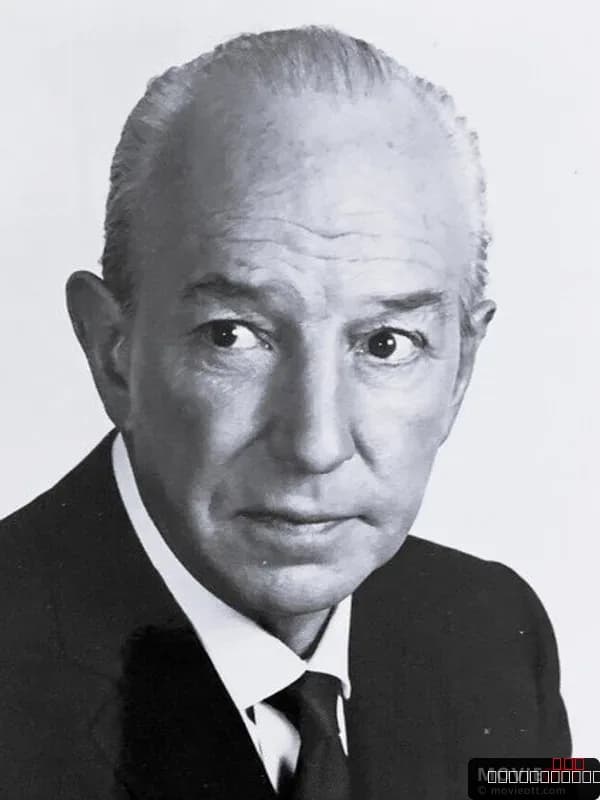
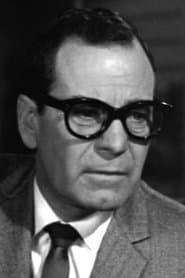
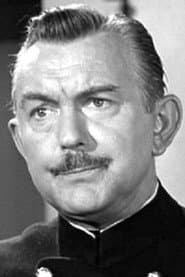
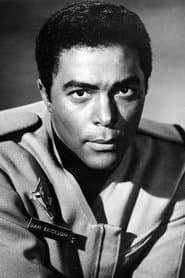
The film doesn't boast the star power of major Hollywood productions, which actually works in its favor. Without A-list names pulling focus, the story itself becomes the star. The cast brings a workmanlike professionalism to their roles—the kind of ensemble acting you'd expect from a television production elevated to the big screen (and indeed, Sergeant Ryker has roots in Universal's television division, reflecting the studio's strategy of cross-pollinating content between formats). The film carries an IMDb rating of 6.333/10, suggesting it's found a modest but loyal audience among viewers who appreciate its moral complexity over spectacle. Box office figures were modest by studio standards, but the film's durability on streaming platforms—now available across major OTT services—indicates it's the kind of picture that's discovered and rediscovered by viewers looking for something more thoughtful than typical war fare.
What Makes Sergeant Ryker Stand Out
What's striking about Sergeant Ryker is how it resists easy answers. The film doesn't present Ryker as a clear-cut hero or villain; instead, it constructs a portrait of a man trapped by circumstance, suspicion, and the machinery of military law. His attorney believes in his innocence—but belief and proof are different things. That gap between conviction and evidence is where the real drama lives. The film understands that courtroom dramas work best when the audience isn't entirely sure which way the verdict should fall, when reasonable doubt genuinely feels reasonable.
The performances anchor everything. There's no scenery-chewing here, no overwrought emotional outbursts. Instead, the actors work in a register of controlled tension—the kind where a glance or a pause carries more weight than a monologue could. The cross-examinations feel procedurally authentic, and the legal arguments actually track (or at least they did in 1968; military law has evolved since). What's remarkable is how the film treats both the prosecution and defense with respect. Neither side is cartoonish. Both believe they're serving justice, even as they pursue contradictory outcomes. That fairness—that refusal to stack the deck—is what elevates Sergeant Ryker beyond propaganda or simple courtroom melodrama.
I keep coming back to the central question the film poses: How do you prove innocence when the evidence of guilt is entirely circumstantial? In an era before DNA testing, before the internet made verification instantaneous, military courts operated on a different evidentiary standard than civilian ones. Sergeant Ryker doesn't lecture about this—it simply shows you the problem in action.
Where to Stream Sergeant Ryker Online
Sergeant Ryker is available across major OTT services, making it accessible whether you subscribe to Netflix, Prime Video, or other platforms. Movie OTT tracks current streaming availability in real time, so you can find exactly which service has it in your region without hunting through multiple apps. The film's 85-minute length makes it perfect for a single sitting—no commitment to a multi-episode series, just a tightly constructed drama that respects your time. The Where-to-Watch widget at the top of this page shows you every platform currently carrying the title, updated as licensing agreements shift.
Frequently asked questions
Q: Is Sergeant Ryker based on a true story?
While the film draws on the real historical context of Korean War soldiers who were accused of collaboration or defection, Sergeant Ryker is a fictional drama rather than a direct adaptation of a specific case. The film uses that historical backdrop to explore larger questions about loyalty, justice, and military law.
Q: Who directed Sergeant Ryker?
The film was directed by Buzz Kulik, a television director who brought a documentary-like realism to the courtroom proceedings. Kulik's background in TV meant he understood how to build tension through dialogue and reaction rather than flashy cinematography.
Q: How long is Sergeant Ryker?
At 85 minutes, the film is lean and purposeful. It doesn't waste time on subplots or extended battle sequences—every scene serves the central mystery of whether Ryker is guilty or innocent.
Q: What year was Sergeant Ryker released?
Sergeant Ryker came out in 1968, during the height of the Vietnam War, which gives the film's questions about soldier conduct and military justice particular historical resonance.
Q: Why was Sergeant Ryker court-martialed?
Ryker is accused of defecting to Communist China during the Korean War and then returning to his unit as a spy. His attorney believes the evidence is circumstantial and fights for a new trial to prove his innocence.
Final Thoughts on Sergeant Ryker
Sergeant Ryker won't blow you away with spectacle or star power. What it does offer is something quieter and more durable: a well-crafted legal drama that trusts its audience to think. It's the kind of film that lingers after the credits roll, making you reconsider the evidence, wonder what you would have decided, question whether military justice can ever be truly blind. For viewers interested in war dramas that focus on consequences and courtrooms rather than combat, Sergeant Ryker deserves your time. It's available now on major streaming platforms—no excuses needed.