









The Story of Seven Weeks
Seven Weeks opens in the small northern town of Ashibetsu, Hokkaido—a place where winter bites hard and memory runs deeper. The death of patriarch Mitsuo has drawn his scattered relatives back home, each arriving with their own unresolved tensions and unspoken grievances. But the funeral itself becomes secondary the moment Nobuko appears. A stranger. Or is she? Her sudden presence at the gathering sets off a chain reaction that gradually—almost imperceptibly at first—begins to expose the family's buried past and, more crucially, Mitsuo's own hidden history from the war years.
What makes the film's premise work is its refusal to rush. This isn't a melodrama that explodes in the first act. Instead, director Nobuhiko Obayashi lets the revelation unfold across 171 minutes, the title itself a reference to the Buddhist mourning period. The relatives don't immediately suspect foul play or deception—they simply notice that something doesn't add up about this woman, about how she knows certain things, about the way she moves through their grief with an unsettling familiarity. The story becomes less about what Nobuko knows and more about why her knowledge matters, and what admitting that truth might cost everyone involved.
Behind the Making of Seven Weeks
Seven Weeks emerged from a genuine collaboration between filmmaker and community. Director Nobuhiko Obayashi, working with screenwriter Tadashi Naito, adapted a story by Koji Hasegawa into a script that would become deeply rooted in Ashibetsu itself. What's striking is that the residents of the town didn't just serve as extras or background—they actively helped fund the film's production. That kind of grassroots support speaks to something the script must have touched in them, some recognition of their own lives and histories reflected back.
The ensemble cast brings considerable weight to the material. Tōru Shinagawa, Takako Tokiwa, Tokie Hidari, Takehiro Murata, Yutaka Matsushige, Shunsuke Kubozuka, Saki Terashima, and Hirona Yamazaki carry the family dynamics with the kind of lived-in authenticity that can't be faked. Released in 2014, the film garnered recognition at awards ceremonies, earning one win and one nomination—modest by blockbuster standards, but meaningful for a chamber drama of this scope. The film's IMDb rating of 6.7 out of 10 (based on 252 votes) reflects a film that doesn't aim for universal appeal but rather speaks most powerfully to those attuned to its particular wavelength: slow-burn character work, historical reckoning, and the weight of secrets kept across generations.
What Makes Seven Weeks Stand Out
Here's the thing about a film that runs nearly three hours—it'd better know what it's doing with that time, and Seven Weeks does. The pacing isn't slow in a way that feels indulgent; it's deliberate. Obayashi uses the length to build atmosphere, to let silences carry meaning, to allow the actors to find the smaller moments where real emotion lives. When Nobuko's true connection to Mitsuo finally surfaces, it doesn't feel like a plot twist engineered for shock value. It feels inevitable, like the film has been leading us there all along through careful accumulation of glances, overheard conversations, and the way characters position themselves around each other in a room.
What I keep coming back to is how the film treats wartime history not as backdrop but as living wound. Mitsuo's past isn't just "something that happened"—it's something that shaped who he became, how he raised his family, what he could and couldn't say. The appearance of Nobuko forces that past into the present tense. The relatives, gathered ostensibly to mourn, find themselves instead confronting their own ignorance about the man they thought they knew. That's genuinely unsettling territory, and the film doesn't flinch from the discomfort.
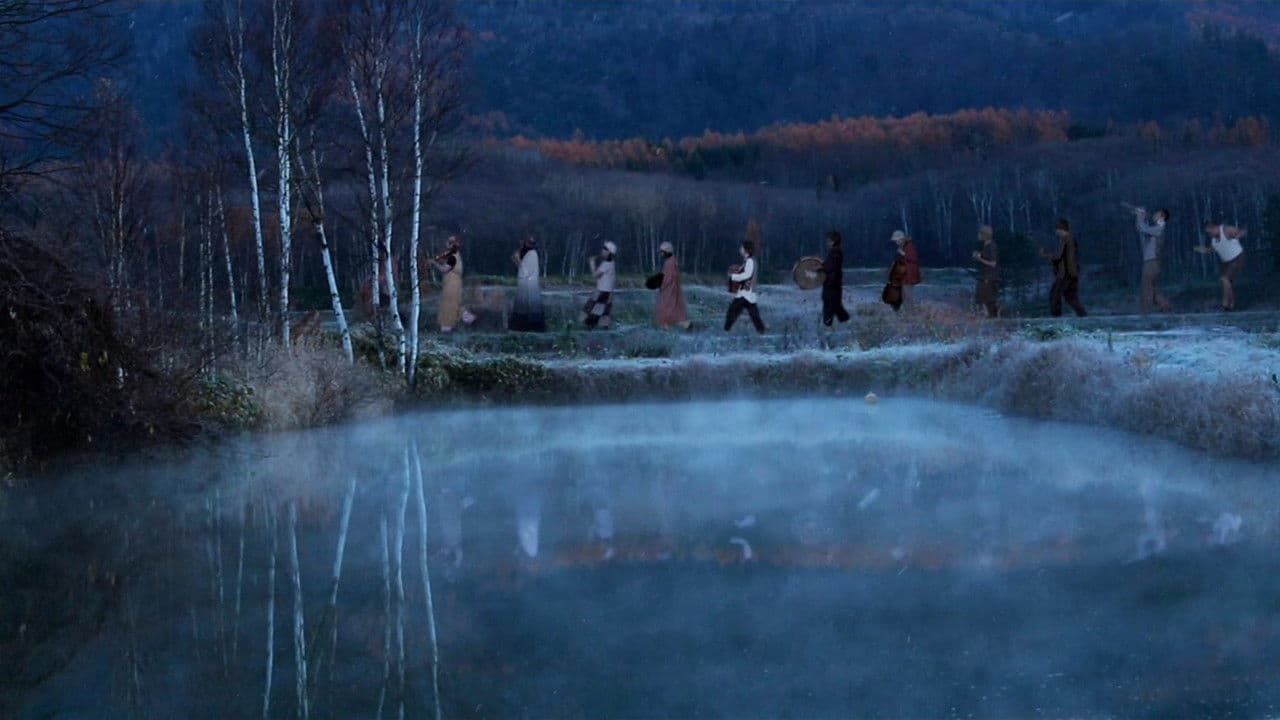
The cinematography captures Hokkaido's landscape—those snow-covered streets, the grey-white skies, the way winter light flattens everything into shades of ash—as both beautiful and suffocating. It's a place where secrets can hide, where people can live their whole lives without fully seeing each other. The performances anchor everything. There's no scenery-chewing here, no dramatic declarations. Instead, the actors work in the register of small revelations: a change in breathing, the way someone's shoulders tense, a glance held just a beat too long.
Where to Stream Seven Weeks Online
Seven Weeks is available on major OTT services, and you can check the "Where to Watch" widget at the top of this page to see which platforms currently have it in your region. Availability shifts across streaming services depending on licensing agreements, so Movie OTT tracks where titles land in real time—it's worth checking before you sit down to watch a 171-minute film. The film's length makes it ideal for a weekend viewing or a commitment across a couple of evenings, so knowing where to find it without interruption matters.
Frequently Asked Questions
Q: Who directed Seven Weeks?
Seven Weeks was directed by Nobuhiko Obayashi, working from a screenplay he co-wrote with Tadashi Naito. The story was originally created by Koji Hasegawa.
Q: How long is Seven Weeks?
The film runs 171 minutes (just under three hours), which aligns with the Buddhist seven-week mourning period referenced in the title.
Q: Is Seven Weeks based on a true story?
Seven Weeks is a fictional drama, though it was inspired by stories connected to Ashibetsu, Hokkaido. The townspeople's involvement in funding the film suggests the narrative touched on themes meaningful to the community itself.
Q: Where is Seven Weeks set?
The film takes place in Ashibetsu, a small town in Hokkaido, Japan's northernmost island. The snowy, isolated setting becomes integral to the film's mood and the family's sense of being cut off from the outside world.
Q: What's the plot of Seven Weeks?
When patriarch Mitsuo dies, his relatives gather for the funeral in Hokkaido. A mysterious woman named Nobuko suddenly appears, and her presence gradually exposes wartime secrets from Mitsuo's past that reshape how the family understands him and themselves.
Final Thoughts on Seven Weeks
Seven Weeks isn't for everyone—it demands patience and rewards attention. But if you're drawn to character-driven dramas that trust their audience to sit with ambiguity and slow revelation, it's worth the investment. The film understands that some truths take time to surface, and that confronting them changes everything. Nobuhiko Obayashi has made something quiet but devastating, a film about how we carry the past inside us, often without knowing it. In Hokkaido's winter, among a family fractured by history they didn't know they were living, Seven Weeks finds something genuinely haunting—and genuinely human.