







The story of The Rocking Horsemen and its 1965 setting
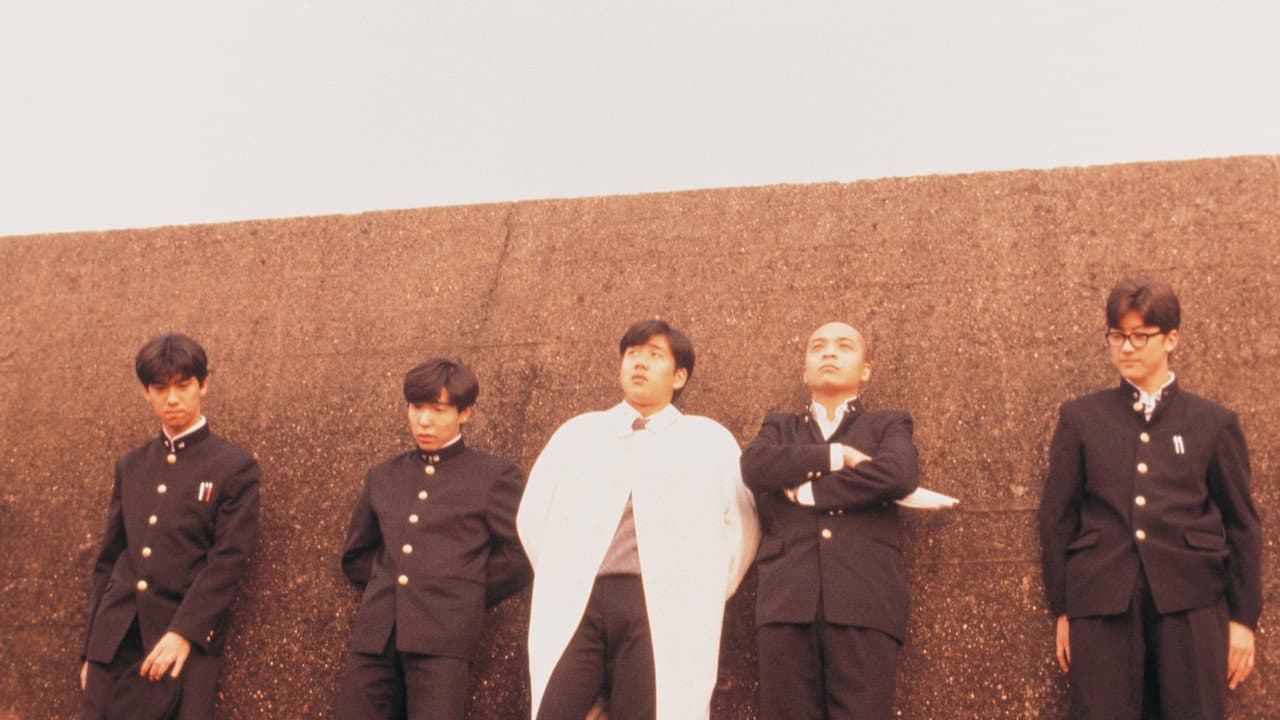
The Rocking Horsemen opens in 1965, a year when the sound of American rock was beginning to reshape the musical landscape of Japan. High-school student Takeyoshi Fujiwara hears "Pipeline" by the Ventures—that iconic, reverb-heavy instrumental that defined surf-rock cool—and something clicks. The song doesn't just move him; it mesmerizes him, pulling him into a world of possibility that extends far beyond his small-town existence. With three friends by his side, Fujiwara forms a band called "The Rocking Horsemen," and what unfolds is a warm, comic glimpse into what it meant to be young, ambitious, and utterly enchanted by a foreign sound during Japan's high-growth era. The film doesn't pretend to be a sweeping rock odyssey. Instead, it's intimate. It's about the ordinary magic of friendship, the thrill of learning to play together, and the very real gap between teenage dreams and the constraints of provincial life.
Behind the making of The Rocking Horsemen and its cultural context
The Rocking Horsemen arrived in 1992, nearly three decades after its 1965 setting, produced by PSC and Galuk Premium. That timing matters—the film was made during a period of intense nostalgia in Japan for the 1960s, when the country's post-war economic miracle was reshaping society at breakneck speed. By the early 1990s, that era had already become mythologized, a kind of lost innocence worth revisiting through comedy and sentiment. The 135-minute runtime gives the filmmakers room to breathe, to linger on small moments and character details rather than rushing through a plot. What's striking is that the film treats its teenage protagonists with genuine affection; there's no sneering at their earnestness, no condescension toward their provincial aspirations. The cast brings authenticity to their roles—these feel like real kids, not caricatures—and that grounded approach is what allows the comedy to land without undercutting the emotional core. On IMDb, the film holds a solid 7.1/10 rating, a score that reflects its balance of humor and heart without pretending to be more than it is.
What makes The Rocking Horsemen stand out as a period comedy
Here's what really works about this film: it's not trying to be cool. Instead, it's interested in the messy, funny, deeply human process of becoming a musician when you've got no real training, no industry connections, and you're doing it all in a corner of Japan where nobody's particularly invested in garage rock. The comedy emerges from real friction—mismatched personalities, the struggle to learn instruments, the gap between what these kids imagine they'll sound like and what they actually sound like. I keep coming back to how the film captures that particular teenage energy: the absolute conviction that your band will matter, mixed with the nagging doubt that maybe it won't, all wrapped up in the pure joy of making noise with your friends. The tagline—"My dearest songs, please protect me!"—hints at something tender beneath the comedy, a kind of plea that the music they're making will somehow shield them from the disappointments of adulthood. That emotional undercurrent is what separates The Rocking Horsemen from a simple nostalgia piece. It's asking something real about art, friendship, and the dreams we hold in our teens, even as it's making you laugh at how earnest those dreams can be.
Where to stream The Rocking Horsemen online
The Rocking Horsemen is currently available on major OTT services, and you can check the "Where to Watch" widget at the top of this page to see which platform has it in your region right now. Streaming availability shifts frequently depending on licensing agreements, so Movie OTT tracks current availability across services to help you find exactly where to watch without the guesswork. Since the film's runtime hits 135 minutes, you'll want to carve out a solid evening—it's the kind of movie that rewards your full attention, not something to half-watch while scrolling. The pacing is deliberate, the humor often quiet, so giving it your focus will pay off.
Frequently asked questions
Q: Is The Rocking Horsemen based on a true story?
The film is a fictionalized comedy set in 1965 Japan, inspired by the real cultural phenomenon of garage bands forming across the country in response to Western rock and roll. While the characters and specific band aren't based on documented history, the setting and atmosphere reflect an authentic moment in Japanese youth culture.
Q: Who directed The Rocking Horsemen?
The film was produced by PSC and Galuk Premium, and was crafted by filmmakers interested in capturing the texture of 1960s Japanese life through comedy and character rather than spectacle.
Q: What's the runtime, and is it worth the commitment?
At 135 minutes, The Rocking Horsemen takes its time—but that's by design. The film uses its length to develop character relationships and let scenes breathe, so you're not watching padding; you're watching a filmmaker who trusts you to stay engaged with quiet, character-driven comedy.
Q: Why is the Ventures' "Pipeline" so important to the story?
The song is the spark that ignites Takeyoshi's obsession with rock music and his decision to form a band. It's a real historical touchstone—the Ventures were genuinely massive in Japan during the 1960s, and the film captures how a single piece of music can reshape a teenager's entire sense of what's possible.
Q: Is The Rocking Horsemen a comedy or a drama?
It's officially a comedy, but it's the kind of film that blends humor with genuine emotional stakes. You'll laugh at the band's mishaps and the awkwardness of teenage life, but you'll also feel something real about friendship and ambition.
Final thoughts on The Rocking Horsemen
The Rocking Horsemen doesn't arrive with hype or fanfare. It's a 1992 Japanese comedy that's easy to overlook in the endless scroll of streaming options, which is precisely why it deserves your attention. What you're getting is a film that knows how to be funny without being mean, nostalgic without being maudlin, and heartfelt without spilling into sentimentality. If you've ever been part of a band—or wanted to be—you'll recognize something true in these characters. Even if you haven't, the film's warmth and humor make it accessible. It's a small film with big affection for its characters and the era it's capturing. Absolutely worth your evening.