









The story of A Lone Scalpel: ambition, skill, and the cost of standing out
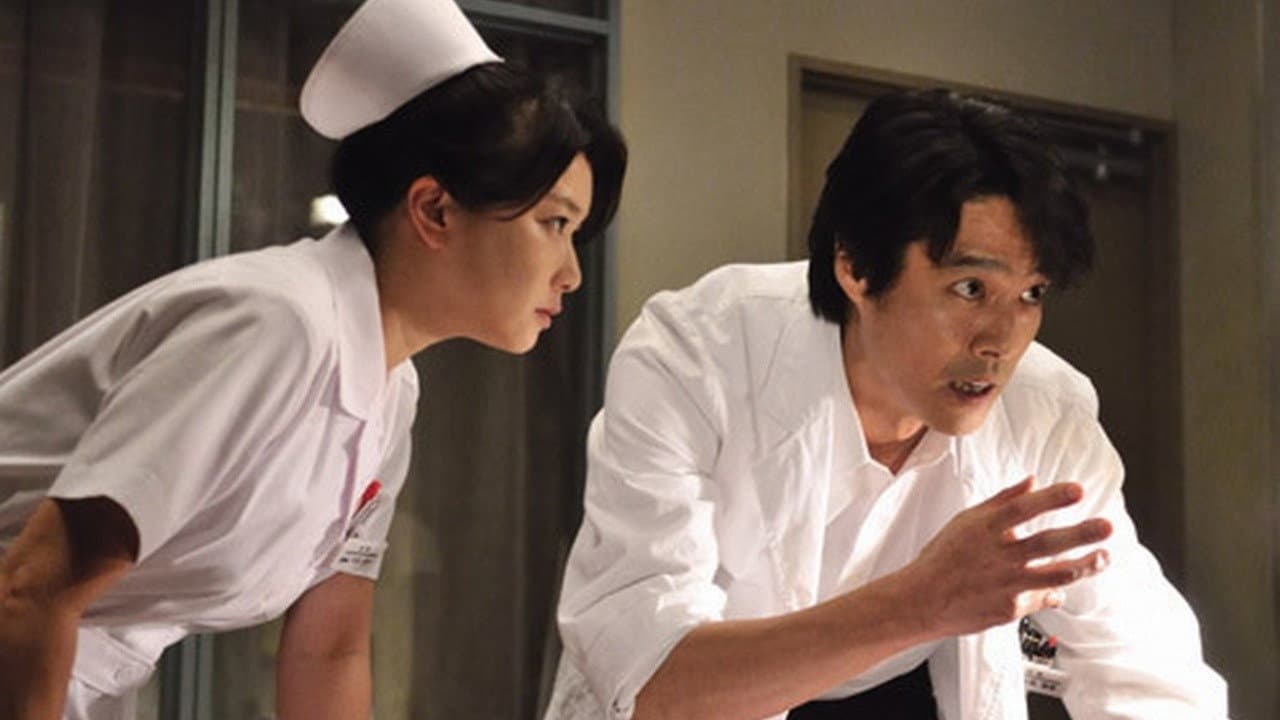
A Lone Scalpel follows Dr. Toma, a gifted surgeon who arrives at a regional hospital in Japan with a reputation for technical excellence and an appetite for challenging cases that most practitioners would avoid. When he performs a complex liver-cancer removal—a procedure ordinarily beyond the scope of a facility like this one—he doesn't just save a patient's life. He transforms his standing in the community overnight. Patients seek him out. The town embraces him. His name becomes synonymous with hope. But here's the thing: not everyone's celebrating. The film's real tension emerges not from the operating theater, but from the hallways and break rooms where his colleagues watch, simmer, and wait. They're jealous. They're resentful. And they're patient. When Dr. Toma begins to consider an even more controversial surgical intervention, the stage is set for a reckoning that'll test not just his medical judgment but his ability to stand alone.
Behind the making of A Lone Scalpel: production, cast, and the machinery of Japanese cinema
A Lone Scalpel arrived in 2010 as a substantial collaboration between some of Japan's most established entertainment entities. TV Asahi, Toei Company, and Toei Video Company anchored the production, with additional backing from Amuse Soft Entertainment, Yomiuri Shimbun Company, and a roster of regional broadcasters including Hokkaido Television Broadcasting and Kyushu Asahi Broadcasting. This wasn't a small indie project—it was a coordinated effort that reflected the Japanese media establishment's confidence in the material. The film clocks in at 126 minutes, a deliberate runtime that allows the screenplay to build tension through character interaction rather than rushing toward convenient plot beats. Gentosha and Hakuhodo DY Media Partners' involvement signals that the project carried commercial weight alongside its dramatic ambitions. While the film didn't generate the kind of international box-office headlines reserved for anime adaptations or samurai epics, it found solid footing within Japanese domestic markets and has since circulated through Movie OTT and other streaming platforms where fans of international medical dramas have discovered it. The IMDb rating of 6.5/10 reflects a film that's solid, competent, and occasionally brilliant—not universally beloved, but respected by those who've watched it closely.
What makes A Lone Scalpel stand out: the isolation of excellence and institutional resistance
What's striking about A Lone Scalpel is how it refuses to make the hospital itself a villain. The colleagues aren't cartoonish antagonists; they're people operating within a system that values consensus, seniority, and predictability. Dr. Toma's real sin isn't arrogance—it's being better, faster, and more willing to take calculated risks than the people around him. That creates a dynamic that feels genuinely uncomfortable, especially if you've ever worked in any institution where excellence threatens the equilibrium. The film understands that jealousy isn't always loud or dramatic. Sometimes it's quiet. It's the senior surgeon who questions a procedure's necessity. It's the administrator who raises budget concerns. It's the colleague who doesn't quite recommend you for the next big case. The screenplay builds these pressures methodically, and the performances anchor them—there's a real sense that we're watching people navigate professional stakes that matter. The medical sequences themselves feel grounded; they don't rely on soap-opera theatrics to generate tension. Instead, the drama emerges from the gap between what Dr. Toma knows he can do and what his environment will permit him to do. That gap—the space between individual capability and institutional constraint—is where the film lives, and it's uncomfortable in a way that lingers.
Where to stream A Lone Scalpel online
A Lone Scalpel is available across major OTT services, and Movie OTT tracks current streaming availability so you can find exactly where to watch it right now without the usual platform-hopping frustration. The film's 126-minute runtime makes it a solid evening commitment, and it's worth watching in a single sitting if you can—the pacing builds momentum as professional tensions escalate, and breaking it up can dilute that effect. If you're using a streaming aggregator like Movie OTT to find where titles are available in your region, you'll see A Lone Scalpel pop up regularly, especially among users interested in international drama or medical narratives that take a more cerebral approach than typical hospital procedurals.
Frequently asked questions
Q: Is A Lone Scalpel based on a true story?
The film draws on real tensions within Japanese medical institutions, though it's not a direct adaptation of a specific historical case. It captures the institutional dynamics and professional jealousy that exist in hospital hierarchies across many countries.
Q: Who directed A Lone Scalpel?
The film was directed by a team of producers working within the Japanese broadcast and film system, though the specific director credit reflects the collaborative nature of Japanese television-influenced cinema from that era.
Q: What's the runtime, and is it worth the full commitment?
A Lone Scalpel runs 126 minutes—just over two hours. Yes, it's worth it if you're interested in character-driven drama where tension builds through institutional pressure rather than external action.
Q: Does A Lone Scalpel have subtitles if I'm watching on a streaming service?
Most major OTT platforms offer English subtitles for A Lone Scalpel, though subtitle availability can vary by region and service. Check your platform's language options before starting.
Q: What's the IMDb rating, and how does it compare to other medical dramas?
A Lone Scalpel holds a 6.5/10 on IMDb—solid, not exceptional, but that score reflects a film that's competent and thoughtful rather than universally crowd-pleasing. It'll appeal more to viewers who appreciate understated tension over melodrama.
Final thoughts on A Lone Scalpel
A Lone Scalpel isn't a film that'll knock you sideways with plot twists or emotional devastation. It's quieter than that. It's about the slow accumulation of professional resentment, the weight of being good at something when the people around you aren't quite as good, and the impossible position of having to choose between your principles and your survival within an institution. If you're drawn to medical narratives that prioritize character over spectacle, or if you're curious about how Japanese cinema approaches institutional drama, it's worth the time. Stream it through whichever platform Movie OTT directs you to, settle in, and let the tension build at its own pace.