








The Story of Solomon's Perjury 1: Suspicion
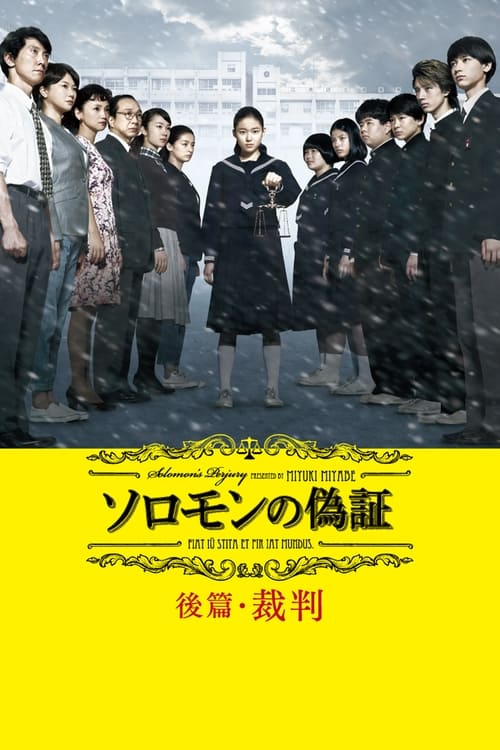
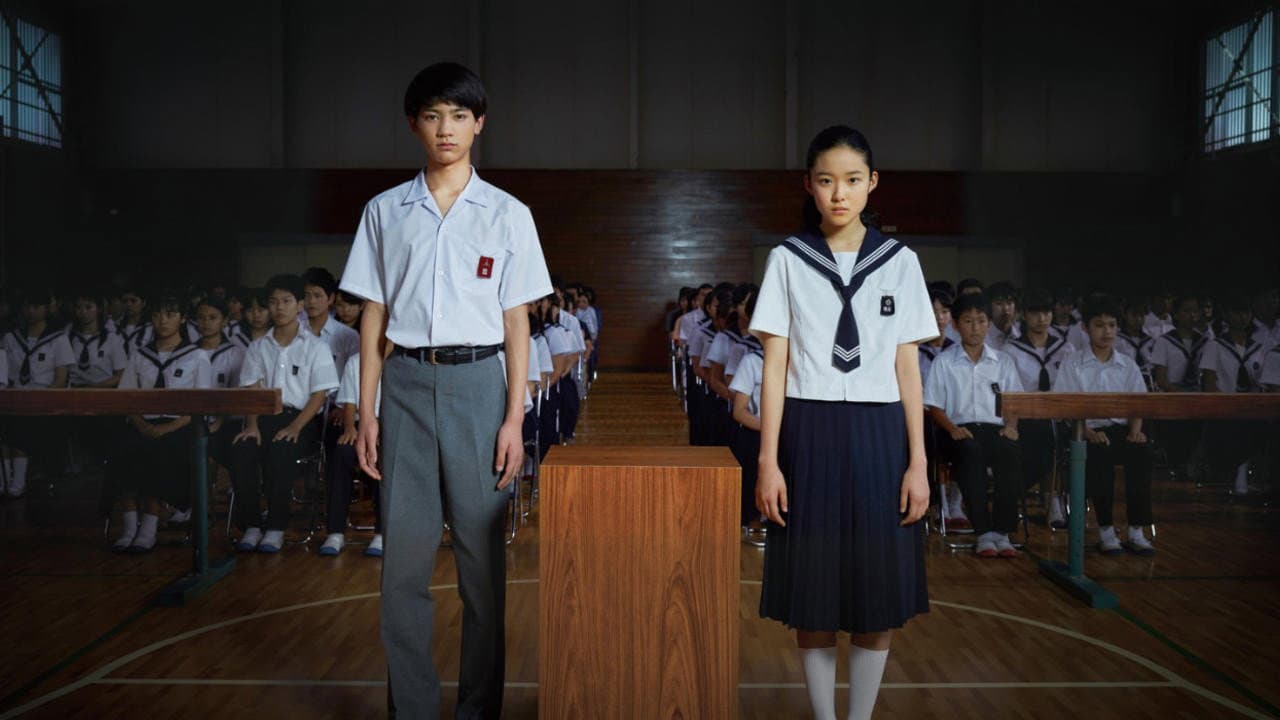
Solomon's Perjury 1: Suspicion opens on a question that refuses easy answers: when a student dies, who gets to investigate? The film follows a group of junior high school students in 1990s Japan who decide to conduct their own mock trial after a classmate's death leaves authorities unmoved and parents demanding closure. Rather than accept the official narrative, these teenagers take matters into their own hands—staging an unauthorized courtroom drama in the school itself. The central mystery isn't just what happened to their classmate, but whether he was murdered or took his own life. What starts as a search for truth becomes something messier: a collision between adolescent idealism and the complicated adult world of institutional indifference. The students must navigate conflicting testimonies, hidden motives, and their own biases as they attempt to reconstruct that final day.
Behind the Making of Solomon's Perjury 1: Suspicion
Solomon's Perjury 1: Suspicion is adapted from Shuichi Yoshida's acclaimed novel, a bestseller in Japan that resonated precisely because it treats teenage investigation with genuine moral weight. The film landed seven awards and earned five additional nominations, establishing itself as a serious entry in the Japanese thriller canon rather than a teen melodrama. The 121-minute runtime allows the narrative to breathe—this isn't a rush-to-judgment story, and the filmmakers understood that the pacing needed to mirror the grinding, repetitive nature of actual investigation. Director Yoshitaka Mori brought a documentary-like attention to detail, capturing the fluorescent-lit school hallways and cramped classroom spaces where these adolescents grapple with questions that would challenge seasoned detectives. The cast, primarily composed of young Japanese actors, delivers performances that avoid the theatrical excess sometimes associated with school-set narratives, instead grounding the material in something closer to authentic teenage confusion and moral urgency.
What Makes Solomon's Perjury 1: Suspicion Stand Out
What's striking about Solomon's Perjury 1: Suspicion is how it refuses to flatten its characters into simple heroes or villains. The mock trial structure—borrowed from the novel's framework—creates space for genuine debate rather than predetermined conclusions. It's a film that trusts its audience to sit with ambiguity. The thing nobody mentions is that the real tension here isn't about the mystery's solution; it's about whether these kids have any right to pursue it at all, and what happens to their friendships when they must cross-examine one another. The screenplay captures that particular vulnerability of the teenage years, where loyalty and truth suddenly feel like opposing forces. IMDb users (613 votes, 6.5/10) seem divided—some praise the methodical approach, while others find the pacing glacial. But that division itself is the point; Mori's made a film that doesn't resolve neatly, that leaves you uncomfortable in the theater, wondering if you'd have voted differently. The performances don't rely on big emotional moments; instead, they're built on the small tells—a hesitation before answering, a glance toward a friend, the way someone's voice changes when they lie.
Where to Stream Solomon's Perjury 1: Suspicion Online
Solomon's Perjury 1: Suspicion is available across major OTT platforms, making it accessible whether you're a thriller devotee or simply curious about Japanese cinema. The "Where to Watch" widget at the top of this page will show you exactly which services currently carry the film in your region—availability shifts regularly, so that's your best real-time resource. Movie OTT tracks streaming availability across these platforms continuously, so if you don't see it on your preferred service today, check back soon. The film's 121-minute length makes it perfect for a single sitting, and the subtitled format (if you're watching an English-language stream) actually enhances the experience—you're forced to stay present, can't half-watch while scrolling your phone. That attentiveness pays off; you'll catch the small details that matter.
Frequently Asked Questions
Q: Is Solomon's Perjury 1: Suspicion based on a true story?
No, it's adapted from Shuichi Yoshida's novel of the same name, though the themes of institutional indifference and teenage activism reflect real tensions in Japanese schools. The mock trial premise is fictional but explores genuine questions about justice and adolescent agency.
Q: Do I need to watch Solomon's Perjury in order?
This is the first film in the franchise, so you can start here without confusion. The standalone structure means each entry works independently, though watching sequentially would deepen your understanding of the characters and their evolving relationship to truth-seeking.
Q: Who directed Solomon's Perjury 1: Suspicion?
Director Yoshitaka Mori helmed the film, bringing a methodical, almost documentary-like approach to the school setting and the mock trial sequences. His work earned recognition through the film's seven award wins.
Q: What's the runtime, and is it slow-paced?
The film runs 121 minutes, and yes—it's deliberately paced to allow the investigation to unfold gradually rather than rush toward resolution. That pacing is a feature, not a bug; it mirrors how real investigation works and builds tension through accumulation rather than spectacle.
Q: Is Solomon's Perjury 1: Suspicion appropriate for younger teens?
The film deals with a student's death and includes some mature thematic content, so it's best suited for older teens and adults rather than younger viewers, though it doesn't contain graphic violence or explicit content.
Final Thoughts on Solomon's Perjury 1: Suspicion
Solomon's Perjury 1: Suspicion won't give you easy catharsis or a tidy resolution. What it offers instead is rarer: a thriller that trusts you to think, that treats teenage moral reasoning as legitimate, and that understands justice is messier than any courtroom can contain. If you're tired of films that spell everything out, that mistake plot twists for substance, this is the antidote. It's a film that lingers because it doesn't pretend to have all the answers. Worth your time, especially if you appreciate cinema that challenges rather than comforts.