
What Sicario: Day of the Soldado is About
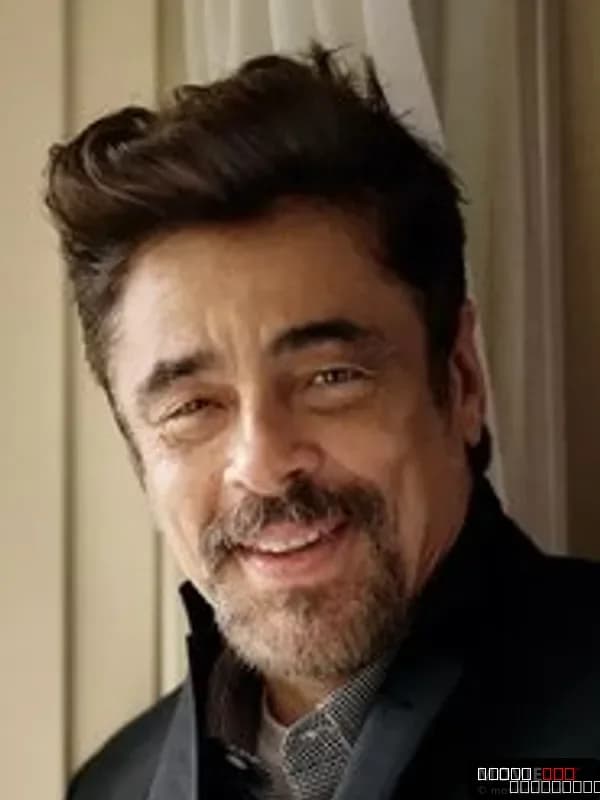
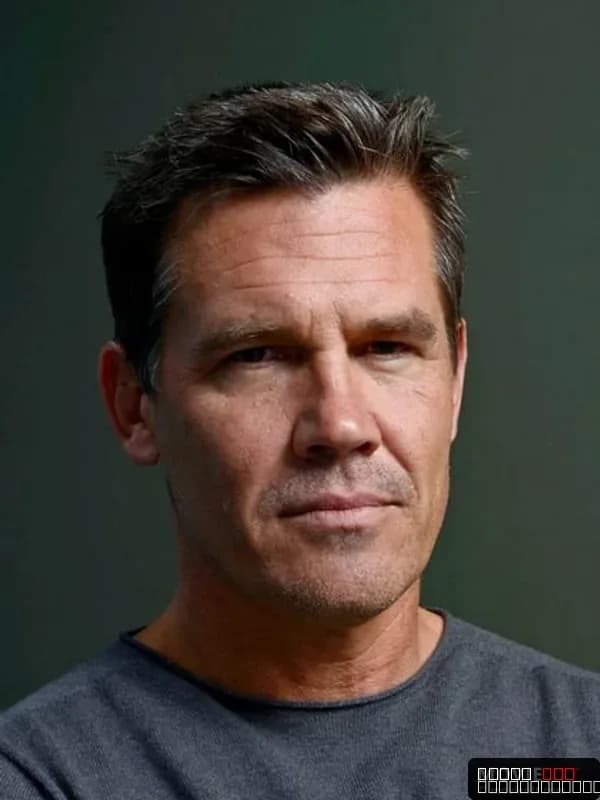
Sicario: Day of the Soldado picks up where the original left off, but the ground has shifted. The drug war has metastasized into something uglier: cartels are now trafficking terrorists across the U.S.–Mexico border, and the government's patience has worn thin. Federal agent Matt Graver (Josh Brolin) pulls his old collaborator Alejandro Gillick (Benicio del Toro) back into the game, but this time the mission isn't about stopping the flow of drugs. It's about orchestrating a shadow war—using kidnapping, false flags, and calculated violence to pit the cartels against each other. What unfolds is a morally corroded operation that makes you question who the real enemy is. No clean heroes. Just men doing dark work in darker places.
Behind the Making of Sicario: Day of the Soldado
Stefano Sollima took over the director's chair from Denis Villeneuve, a transition that could've been disastrous—but Sollima brought his own kinetic energy to the project. The film was written by Taylor Sheridan, who'd already established himself as a master of border-country noir, and the script's focus on human trafficking and covert black ops gave the sequel a fresh angle rather than retreading the first film's ground. At the box office, Sicario: Day of the Soldado earned $50 million globally, a respectable haul for a mid-budget thriller that doesn't rely on franchise IP or superhero spectacle. The R rating stuck—necessary for the brutality the story demands—and the film earned eight nominations across various award bodies, though it didn't rack up major wins. Benicio del Toro and Josh Brolin returned, anchoring the cast alongside newcomers Isabela Merced (who plays a kidnapped cartel boss's daughter), Catherine Keener, and Matthew Modine. The ensemble cast carries the weight of a story that's deliberately unglamorous, trading the first film's procedural precision for something rawer and more improvised-feeling.
Why Sicario: Day of the Soldado Hits Harder Than Expected
Here's the thing: critics were split. Rotten Tomatoes gave it 62% Fresh, and Metascore landed at 61, which translates to "solid but not exceptional." Fair enough—it's not as tightly wound as the original. But what Sicario: Day of the Soldado does brilliantly is abandon the first film's moral clarity. Where the 2015 film let you believe in the system (even as it corrupted you), the sequel says the system itself is the corruption. Brolin's Graver is still playing the government's game, but he's not pretending anymore. Del Toro's Alejandro is even more hollowed out, a man who's been weaponized and left to rust. What's striking is how the film doesn't let you off the hook—it's not interested in your comfort. The set pieces land hard: a shootout in the desert that feels genuinely chaotic, an explosion sequence that echoes with real consequence, not just spectacle. Isabela Merced brings a raw vulnerability to her role as a girl caught between worlds, and her scenes with del Toro crackle with unspoken tension. The IMDb rating of 7/10 (from nearly 190,000 votes) suggests audiences found it compelling even if it didn't achieve masterpiece status. Sollima's direction keeps things moving at 122 minutes, never letting the moral weight become ponderous—though it does linger in your head after the credits roll.
Where to Stream Sicario: Day of the Soldado Online
If you're hunting for where to watch, you've got options. The film's available on Netflix, Amazon Prime Video (including Prime Video with Ads), and through the Starz ecosystem on Apple TV and Roku. You can also rent or purchase it on Apple TV Store, Google Play Movies, YouTube, Rakuten TV, and Sky Store, or stream it on specialty platforms like ITVX, BFI Player, Plex, and Fandango At Home. Movie OTT tracks all these platforms in real time—the "Where to Watch" widget at the top of this page shows you exactly which services have it available right now in your region, so you don't waste time searching. Availability shifts between subscription tiers and rental windows, so checking there saves you the headache.
Frequently asked questions
Q: Is Sicario: Day of the Soldado a direct sequel to the first Sicario film?
Yes. It's a direct continuation featuring the same characters—Matt Graver and Alejandro Gillick—picking up after the events of the 2015 original. You don't need to watch the first film to understand this one, but it'll enrich the context and make the moral deterioration feel heavier.
Q: Who directed Sicario: Day of the Soldado?
Stefano Sollima directed the film, taking over from Denis Villeneuve who helmed the original. Sollima brought a different visual style—less methodical, more visceral—while Taylor Sheridan returned to write the screenplay.
Q: Is Sicario: Day of the Soldado based on a true story?
No, it's an original screenplay by Taylor Sheridan. That said, it's grounded in real-world concerns about cartel violence, human trafficking, and covert U.S. government operations at the border, which gives it a documentary-like feel even though the plot is fictional.
Q: What's the runtime, and is it rated R?
The film runs 122 minutes and carries an R rating for violence, language, and some sexual content. It earns that rating—there's no pulling punches here.
Q: How does Isabela Merced's character fit into the story?
Merced plays a young woman caught in the crossfire when Graver and Alejandro kidnap the daughter of a cartel boss as part of their scheme to destabilize the cartels. Her arc becomes increasingly central as the film progresses, and she brings unexpected depth to what could've been a one-note victim role.
Final Thoughts on Sicario: Day of the Soldado
This isn't a film that'll make you feel good about anything—not America's foreign policy, not the drug war, not the people trying to navigate the border, not even the "good guys" doing the heavy lifting. That's kind of the point. Sicario: Day of the Soldado is a sequel that understands its predecessor's DNA while refusing to repeat it. If you're looking for a thriller that doesn't flinch from moral ambiguity and wants to challenge your assumptions about who deserves your allegiance, it's worth your time. It won't be everyone's cup of tea—the pacing is deliberate, the violence is real—but for viewers who can sit with discomfort, it's a lean, propulsive piece of genre filmmaking that sticks with you long after the screen goes dark.