
The Story of Spinning: When Work Becomes Art
Spinning is a deceptively simple tale set outside Luigi's Casa Della Tires, where a worker named Guido stands holding a sign meant to lure customers inside. When Luigi—the shop owner—notices Guido standing still, he barks an order: shake the sign. That's it. That's the entire premise. But what happens next is where the magic lives. After Luigi disappears back into the shop, Guido doesn't just shake the sign mechanically. He starts small, then gradually builds momentum, adding flourishes and spins until he's transformed the mundane task into something resembling genuine performance art. The whole thing unfolds in two minutes. No elaborate plot twists, no dramatic arc in the traditional sense—just a worker discovering that even the smallest job can become an outlet for creativity and pride.
What's striking about Spinning is how much emotional weight it carries in such a compressed timeframe. Guido's journey from obedience to self-expression happens silently, visually, without a single word of dialogue to explain what we're watching. The short trusts its audience to understand the transformation—to see that moment when someone stops doing a job and starts owning it. That's not always easy to pull off, especially when you've got 120 seconds to make it land.
Behind the Making of Spinning: Production, Cast, and Creative Vision
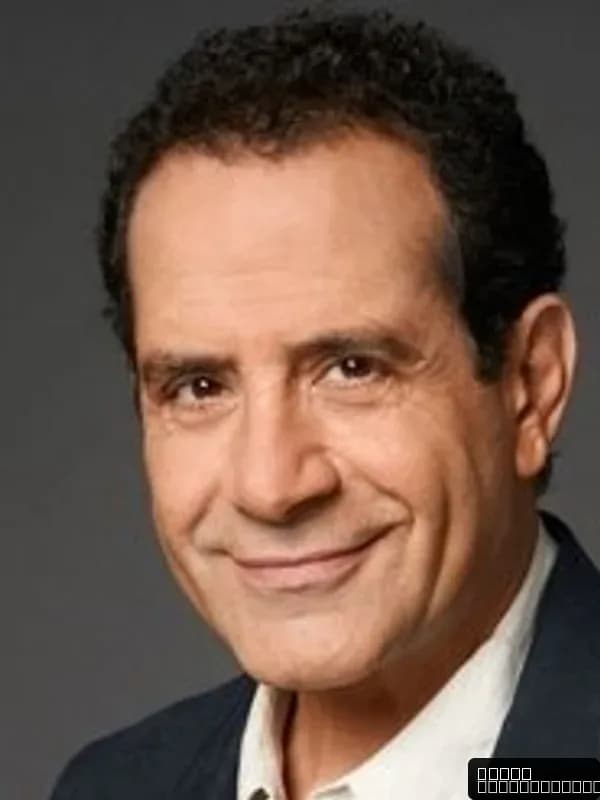
Director Jeremy Lasky crafted Spinning as a Canadian animated production, assembling a surprisingly star-studded voice cast for what amounts to a wordless visual story. The lineup includes Cheech Marin, known for his comedy work and voice acting across multiple projects; Tony Shalhoub, the acclaimed character actor famous for his role in Monk; Paul Dooley, a veteran character actor; and Michael Wallis, whose distinctive voice has narked countless documentaries and animated features. It's an unusual pairing—heavyweight talent for a two-minute short—which speaks to the care and intention behind the project.
Lasky's direction emphasizes visual storytelling over dialogue, a choice that actually makes the voice cast almost incidental to the narrative. The real star here is the animation itself and the physical comedy of Guido's escalating sign-spinning. Released in 2013, Spinning arrived during a period when animated shorts were becoming increasingly sophisticated in their ability to tell character-driven stories without relying on exposition or lengthy dialogue. The film's Canadian origin places it within a tradition of thoughtful, character-focused animation that prioritizes emotional authenticity over spectacle.
While Spinning didn't generate major box-office buzz—it's a short film, after all—it's the kind of project that tends to build a following within animation circles and among viewers who stumble across it on streaming platforms like Movie OTT, which tracks where titles like this are currently available. The short received modest critical attention, with an IMDb rating of 5.1 out of 10 based on 363 votes, suggesting a mixed but engaged audience response. Awards recognition for shorts of this length tends to be niche, but the film's craftsmanship suggests it was made with the kind of precision and intention that festival programmers and animation enthusiasts recognize.
What Makes Spinning Stand Out: Performance and Simplicity
Honestly, what makes Spinning work is its refusal to overcomplicate things. The entire emotional payload rests on one simple action: a worker discovering that how you do something matters just as much as whether you do it. Guido starts obedient, mechanical—just following orders. But somewhere between the first shake and the final spin, something shifts. He's not doing this for Luigi anymore. He's doing it for himself, and that distinction changes everything.
The animation captures this shift with remarkable subtlety. You can see it in the way Guido's movements become more fluid, more confident, more deliberate. There's a moment—and I keep coming back to this—where you realize he's not just shaking a sign anymore; he's performing. The fork-spinning detail mentioned in the plot (where he even spins the tip on his fork) is a perfect touch, a small gesture that tells you everything about how far he's traveled emotionally in those two minutes. It's not about the fork. It's about the fact that Guido's now thinking creatively about the tools in front of him, seeing potential where there was only obligation before.
What's interesting is how the short doesn't judge Guido's transformation as frivolous or wasteful. There's no scene where Luigi comes back and scolds him for adding flourishes. Instead, the film seems to celebrate the idea that taking pride in your work—even work as humble as holding a sign—is inherently worthwhile. That's a quietly radical message in a culture that often treats service work as something to escape rather than something to inhabit fully. The voice cast, though minimal in their actual speaking roles, adds weight through their presence alone, suggesting that even small stories deserve serious artistic attention.
Where to Stream Spinning Online
If you're looking to watch Spinning, you'll find it currently available on Disney+, where it sits among the platform's extensive animation catalog. The short's presence on Disney+ is fitting, given Disney's historical investment in animation as a serious artistic medium. Since streaming availability changes regularly, Movie OTT maintains an up-to-date tracking system showing where specific titles are currently streaming across all major platforms. The widget at the top of this page will show you exactly where Spinning is available right now and on which services, so you can watch it immediately without hunting through multiple apps. At just two minutes, it's the kind of short you can slip into your viewing schedule between longer features—a perfect palate cleanser or a standalone moment of reflection.
Frequently Asked Questions
Q: What is Spinning about?
Spinning follows Guido, a worker outside Luigi's tire shop, who transforms the simple task of holding a sign into an elaborate performance art. When his boss tells him to shake the sign, Guido takes the instruction and runs with it, adding increasingly creative spins and flourishes until the mundane task becomes something beautiful.
Q: Who directed Spinning?
Canadian director Jeremy Lasky directed Spinning. The film showcases Lasky's skill at visual storytelling and character development within an extremely compressed timeframe.
Q: Is Spinning a full-length film?
No, Spinning is a short film with a runtime of just two minutes. Despite its brevity, it tells a complete emotional story with clear character development and thematic resonance.
Q: Where can I watch Spinning?
Spinning is currently available on Disney+. You can check the Where to Watch widget at the top of this page for the most current streaming availability across all platforms.
Q: What's the voice cast of Spinning?
The film features an impressive voice cast including Cheech Marin, Tony Shalhoub, Paul Dooley, Michael Wallis, Guido Quaroni, Keith Ferguson, and Lloyd Sherr, though the short emphasizes visual storytelling over dialogue.
Final Thoughts on Spinning: A Gem Worth Your Two Minutes
Spinning is proof that you don't need a feature-length runtime to tell a meaningful story. In two minutes, Jeremy Lasky and his team craft something that lingers—a small moment about dignity, creativity, and the possibility of transformation hiding inside the most ordinary work. It's the kind of short that sticks with you not because it's flashy or surprising, but because it's genuinely true. Watch it. It won't take long, and you'll understand why animated shorts like this matter.