


The Story of SST: Death Flight
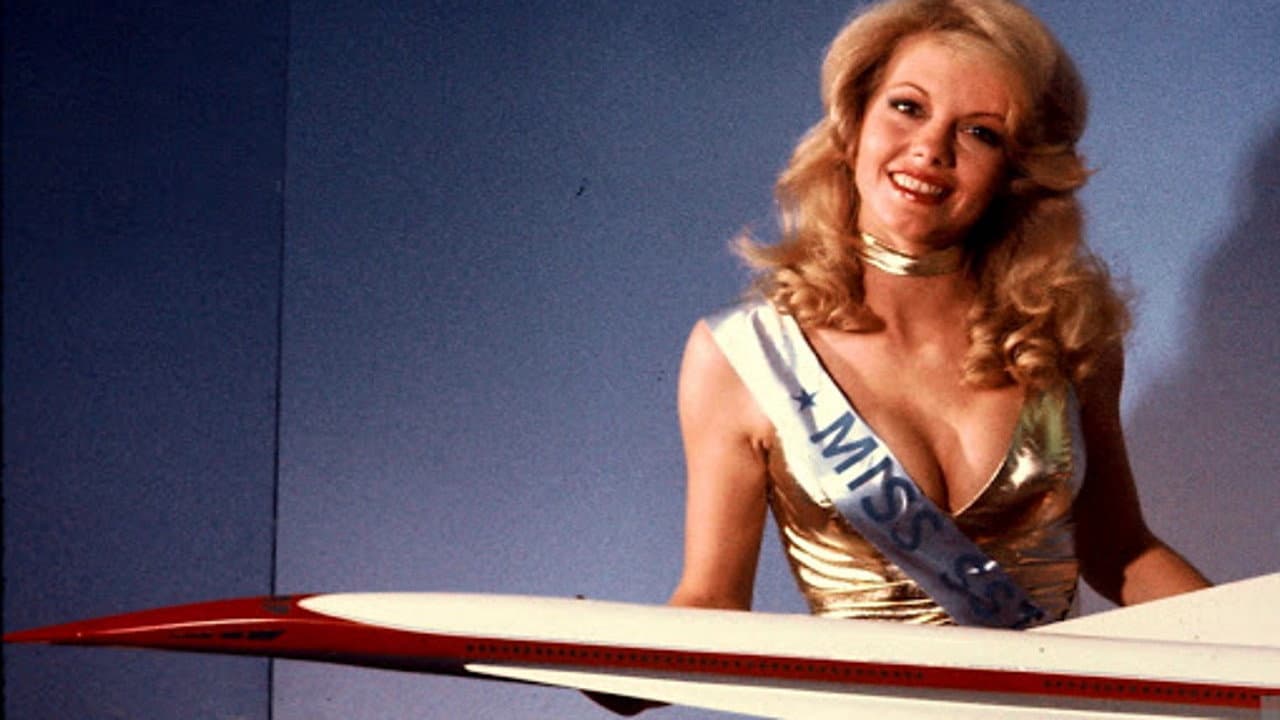
SST: Death Flight opens on what should be a triumphant moment in American aviation history. The nation's first supersonic transport—a technological marvel capable of speeds that defy conventional limits—is about to make its inaugural flight, carrying 250 passengers and crew into the history books. What begins as celebration quickly becomes a nightmare. Within an hour of takeoff, the flight crew discovers two catastrophic problems: someone has sabotaged the landing gear, and a deadly strain of influenza has broken out among the passengers. No airport in the world will accept the aircraft, terrified of the virus spreading to their communities. Trapped at altitude with nowhere to land and time running out, the crew and passengers must confront both mechanical failure and biological terror—a double jeopardy that transforms what should have been humanity's greatest aviation achievement into a desperate struggle for survival.
Behind the Making of SST: Death Flight
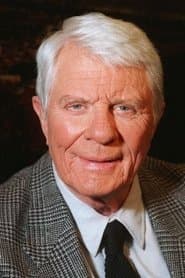
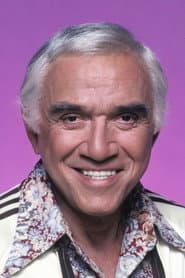
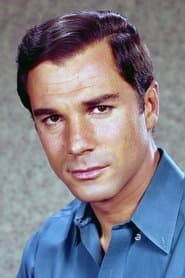
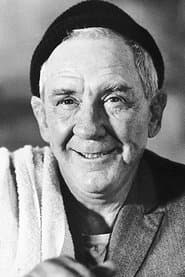
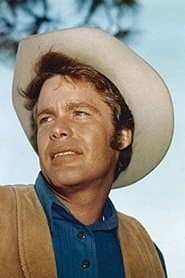
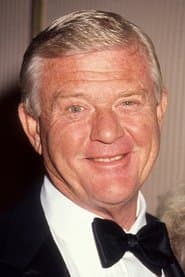
SST: Death Flight arrived in 1978 as an ABC Circle Films production directed by David Lowell Rich, a veteran television director who understood how to orchestrate ensemble casts under pressure. The film's runtime of 89 minutes was lean by design—disaster television demanded pacing that didn't linger. The ensemble cast reads like a roll call of 1970s television royalty: Burgess Meredith, Robert Reed, Peter Graves, Lorne Greene, George Maharis, Doug McClure, Martin Milner, Tina Louise, Bert Convy, Season Hubley, Brock Peters, Barbara Anderson, and Susan Strasberg. That's not a supporting cast; that's a constellation of faces audiences trusted from shows like Mission: Impossible, Bonanza, Hawaii Five-O, and Gilligan's Island. The production tapped into the decade's fascination with disaster narratives—Towering Inferno and Airport had already proven audiences would flock to films where ordinary people faced extraordinary catastrophe. Television networks, watching theatrical disaster films rake in box office millions, wanted their own spectacle. SST: Death Flight was their answer, a made-for-TV answer that didn't require a theatrical release to find an audience. The film aired on ABC, reaching households across America simultaneously, a shared cultural event in a way streaming can't quite replicate now.
What Makes SST: Death Flight Stand Out
What's striking about SST: Death Flight—and why it still holds up as more than a period curiosity—is how it refuses to let any single character dominate the narrative. That ensemble cast isn't window dressing; it's the film's structural DNA. With 250 people supposedly aboard, the screenplay keeps cutting between the flight deck, the cabin, the ground control center, and various passenger perspectives. You've got Burgess Meredith bringing gravitas to a command decision, Robert Reed embodying the everyman passenger, Lorne Greene as the authority figure trying to manage chaos from the ground. The genius is that nobody gets enough screen time to overshadow anyone else, which means the film never settles into a comfortable hero's journey. Instead, it's about collective anxiety, competing interests, and the breakdown of normal social order under stress. The sabotage element adds a thriller component that pure disaster films sometimes lack—this isn't just an act of God or mechanical failure, it's human malice layered on top of biological catastrophe. That combination, frankly, feels prescient now, even if it probably seemed like stacking the deck in 1978. The IMDb rating of 5.4 out of 10 tells you critics didn't embrace it as high art, but that score doesn't capture what the film actually does well: it sustains tension across 89 minutes without resorting to melodrama, and it treats its large cast with respect. When you're watching passengers argue about whether to attempt a water landing or wait for a solution, you're watching ordinary people grapple with impossible choices—that's not nothing. Movie OTT tracks where titles like this live across streaming services, and finding SST: Death Flight on a major platform gives you a chance to experience 1970s disaster television the way it was meant to be consumed: all at once, no commercial breaks, just unrelenting pressure from takeoff to resolution.
Where to Stream SST: Death Flight Online
SST: Death Flight is available on major OTT services, making it easy to revisit this piece of 1970s television history whenever the mood strikes. The film's 89-minute runtime means it won't demand a huge time commitment—you can fit it into an evening and still have time to decompress from the catastrophe. The Where to Watch widget at the top of this page shows you exactly which platforms currently have it in their catalog, so you can check availability in your region without hunting through multiple services. Since streaming catalogs shift frequently, that widget stays updated in real time. If you're building a collection of disaster entertainment or tracking the evolution of TV thrillers, knowing where to find SST: Death Flight matters—and Movie OTT keeps that information current so you're never guessing.
Frequently asked questions
Q: Who directed SST: Death Flight?
David Lowell Rich directed the film. Rich was a prolific television director who specialized in ensemble narratives and high-stakes scenarios, making him well-suited to manage the large cast and competing plot threads of a disaster story.
Q: Is SST: Death Flight based on a true story?
No, it's a fictional disaster narrative, though it draws on real anxieties about aviation technology, sabotage, and infectious disease that were very much alive in the 1970s. The film imagines a catastrophic scenario rather than dramatizing an actual event.
Q: How long is SST: Death Flight?
The film runs 89 minutes, making it a tight, economical thriller that doesn't waste time on subplot diversions. That lean runtime keeps the pressure on throughout.
Q: What's the official tagline for SST: Death Flight?
The original promotional tagline reads: "One hour after take off... suddenly it happens! The inaugural flight of America's first SST. 250 people trapped by a deadly menace on a supersonic giant... and no airport in the world will let them land!" It perfectly captures the film's high-concept premise.
Q: Why was SST: Death Flight made for television instead of theatrical release?
By the late 1970s, networks had discovered that disaster narratives could draw huge audiences to television events. ABC Circle Films capitalized on this trend, creating a film that could reach millions simultaneously through broadcast, rather than competing in theaters against big-budget disaster films.
Final Thoughts on SST: Death Flight
SST: Death Flight isn't a masterpiece, and it doesn't pretend to be. What it is, though, is a confident piece of entertainment that knows exactly what it's doing—trapping an ensemble of recognizable faces in an escalating nightmare and asking how they'll behave when normal rules break down. The film respects its audience enough to keep moving, to treat the crisis seriously, and to let its large cast share the spotlight rather than centering everything on a single hero. For anyone interested in how television approached spectacle in the 1970s, or how disaster narratives work when they're not trying to be Oscar bait, SST: Death Flight is worth the 89 minutes. It's a relic, sure. But it's a relic that still functions.