



The story of Stranger on the Third Floor
Stranger on the Third Floor is a 1940 crime thriller often heralded as the first true American film noir. The narrative follows a reporter whose testimony sends an innocent man to death row. As eerie events unfold, he grapples with guilt and begins to question the very reality around him. This psychological tension is heightened by a series of atmospheric visuals and a haunting score, immersing the viewer in a world where the line between guilt and innocence becomes increasingly blurred. With a runtime of just 64 minutes, the film’s swift pacing ensures that the suspense remains taut, making every moment resonate with dread.
Behind the making of Stranger on the Third Floor
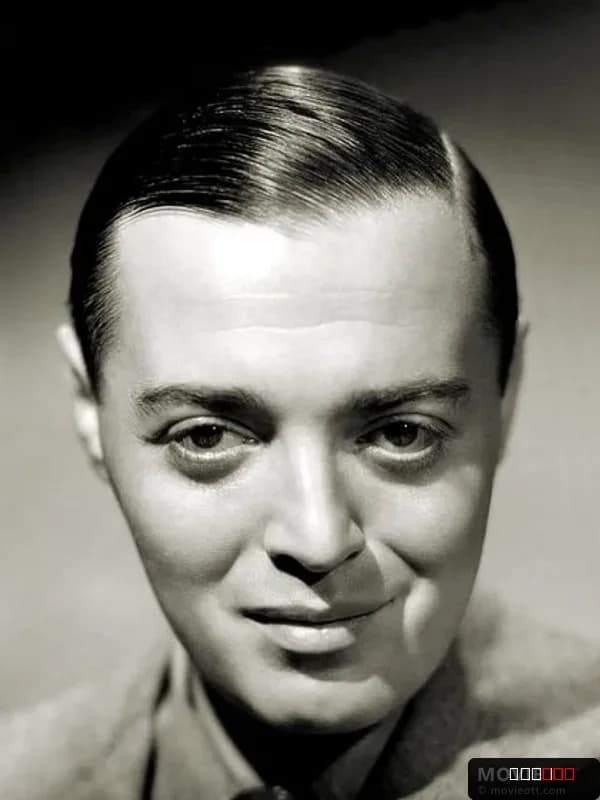
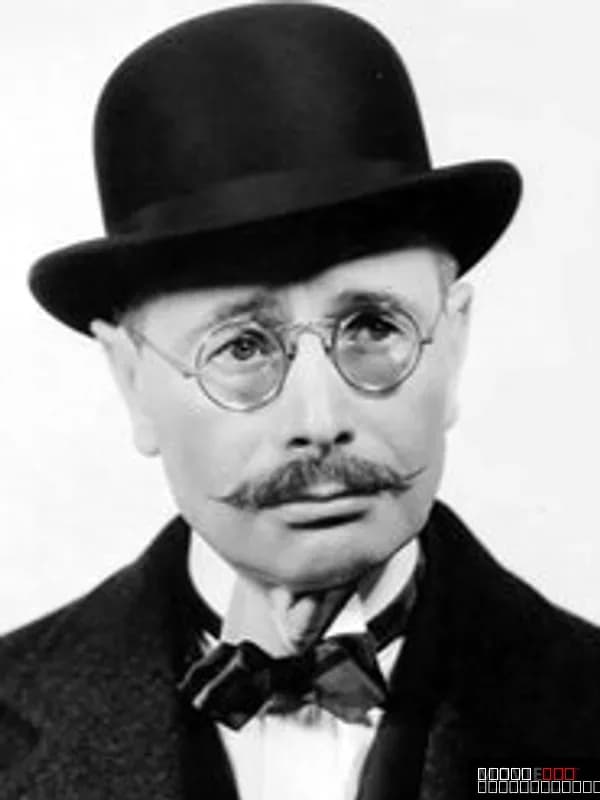
Directed by Boris Ingster, Stranger on the Third Floor was released during a time when film noir was just beginning to carve its niche in American cinema. The film features a remarkable cast, including the iconic Peter Lorre, whose performance as the unstable and enigmatic character adds depth to the psychological narrative. John McGuire, Margaret Tallichet, and Elisha Cook Jr. also deliver standout performances that contribute to the film’s unsettling atmosphere. Despite its modest budget, the film managed to capture the attention of audiences and critics alike, evidenced by its 75% rating on Rotten Tomatoes and an IMDb score of 6.7/10, based on nearly 5,000 votes. The film was approved by the MPAA, reflecting a recognition of its artistry amidst the constraints of its time.
Why Stranger on the Third Floor resonates
Stranger on the Third Floor resonates deeply because of its exploration of guilt and existential dread, themes that remain relevant today. Critics have praised the film for its innovative use of lighting and shadow, which not only enhances the noir aesthetic but also symbolizes the moral ambiguity of its characters. Peter Lorre's performance is particularly noteworthy; his portrayal of a man teetering on the edge of madness captures the audience's attention and empathy. The film's ability to evoke a sense of paranoia is further amplified by its surreal dream sequences, which blur the lines between reality and illusion. This masterful blend of psychological tension and atmospheric dread makes Stranger on the Third Floor a compelling watch and a significant contribution to the genre.
Where to stream Stranger on the Third Floor
If you’re eager to experience this classic, Stranger on the Third Floor is available for streaming on major OTT platforms. The film's presence on these services ensures that both old fans and new viewers can appreciate its pioneering role in film noir. For a full list of where to watch, check out the “Where to Watch” widget at the top of this page.
Frequently asked questions
Q: What is the plot of Stranger on the Third Floor?
The film follows a reporter whose testimony sends an innocent man to death row, leading him into a spiral of guilt and paranoia as strange events unfold around him.
Q: Who directed Stranger on the Third Floor?
Boris Ingster directed Stranger on the Third Floor, marking an important entry in the film noir genre with its atmospheric storytelling and visual style.
Q: What year was Stranger on the Third Floor released?
Stranger on the Third Floor was released in 1940, establishing itself as one of the pioneering films in the American film noir movement.
Q: How long is the film?
The runtime of Stranger on the Third Floor is a concise 64 minutes, ensuring a tightly woven narrative that maintains suspense throughout.
Q: What has been the critical reception of Stranger on the Third Floor?
The film has received positive reviews, holding a 75% rating on Rotten Tomatoes and is recognized for its significant contribution to the film noir genre.
Final thoughts on Stranger on the Third Floor
Stranger on the Third Floor is a must-watch for fans of classic cinema and film noir enthusiasts alike. Its exploration of guilt, paranoia, and moral ambiguity continues to resonate, making it a timeless piece that showcases the artistry of early American filmmaking. For those looking to delve into the roots of the genre, this film is an essential viewing experience.