Actor
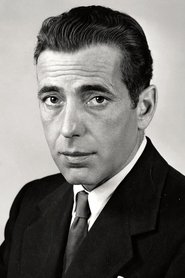
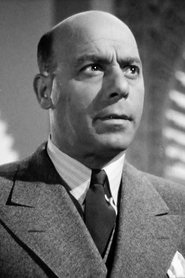
Peter Lorre
14 films on Movie OTT · Active 1931–1963
Peter Lorre was a Hungarian-American actor born on June 26, 1904, in Rózsahegy, Austria-Hungary, now known as Ružomberok in Slovakia. He gained prominence for his distinctive voice and expressive features, becoming a notable figure in the film industry during the early to mid-20th century. Lorre is best remembered for his roles in suspenseful and often psychological films, which showcased his unique ability to portray complex characters steeped in intrigue and menace.
About Peter Lorre
Peter Lorre was a Hungarian-American actor born on June 26, 1904, in Rózsahegy, Austria-Hungary, now known as Ružomberok in Slovakia. He gained prominence for his distinctive voice and expressive features, becoming a notable figure in the film industry during the early to mid-20th century. Lorre is best remembered for his roles in suspenseful and often psychological films, which showcased his unique ability to portray complex characters steeped in intrigue and menace.
Lorre's breakthrough came with his portrayal of the child murderer in Fritz Lang's groundbreaking film, "M" (1931). This role established him as a talented performer capable of conveying deep psychological turmoil, and it marked a significant turning point in his career. The film itself is considered a landmark in cinema, particularly in the thriller genre, and Lorre's performance was critical to its success. His ability to evoke empathy while embodying a deeply unsettling character resonated with audiences and critics alike, paving the way for his subsequent roles in Hollywood.
Throughout his career, Lorre frequently collaborated with notable directors and actors, establishing a reputation for his work in film noir and horror. He often appeared alongside prominent figures such as Humphrey Bogart and Sydney Greenstreet, with whom he formed a memorable trio in several films, most notably in "The Maltese Falcon" (1941) and "Casablanca" (1942). Lorre's versatility allowed him to navigate various genres, from the dark and gritty realms of film noir to the comedic undertones of lighter fare. His roles often explored themes of morality, guilt, and existential dread, reflecting the anxieties of the time.
In recent years of his career, Lorre continued to engage audiences with his performances in films that displayed his range and adaptability. His role in "Stranger on the Third Floor" (1940) is a prime example of his involvement in the film noir genre, where he contributed to the development of the style through his portrayal of a suspicious character embroiled in a murder mystery. This film, along with others, showcased Lorre's ability to captivate audiences with his nuanced performances and his talent for creating tension on screen.
Today, Peter Lorre's legacy endures as a significant figure in the film industry, remembered for his contributions to the genres of suspense and horror. His influence can be seen in the work of contemporary actors who draw inspiration from his unique style and ability to portray complex characters. While there may not be recent projects on the horizon, Lorre's body of work continues to be celebrated and analyzed by film enthusiasts and scholars alike, solidifying his place in cinematic history.
Gallery
6 photosCurrently streaming
5 of 14 on platformsFilmography
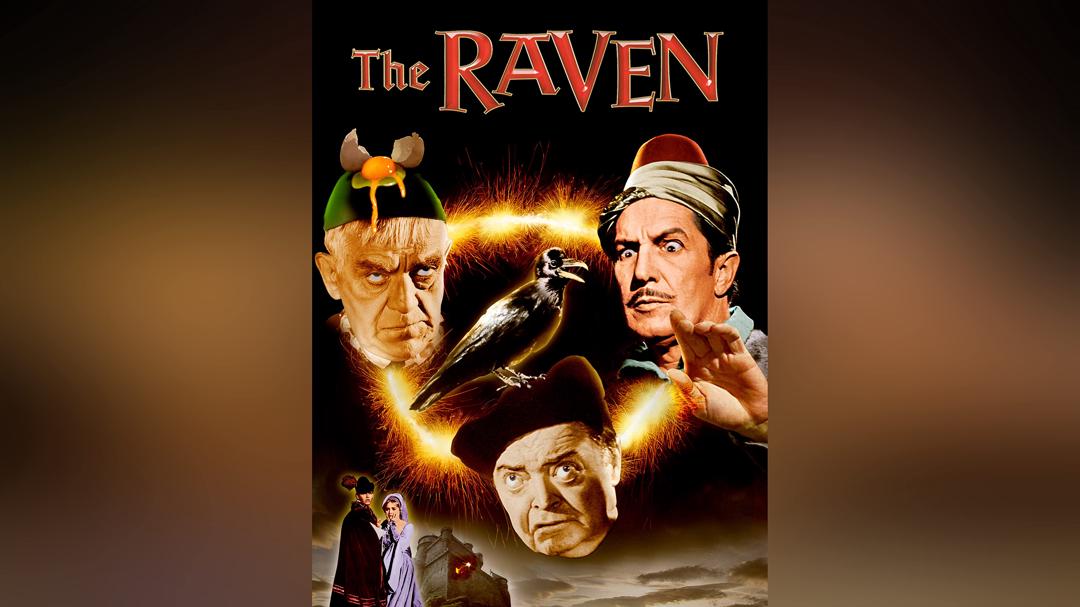
The Raven
1963 · Cast
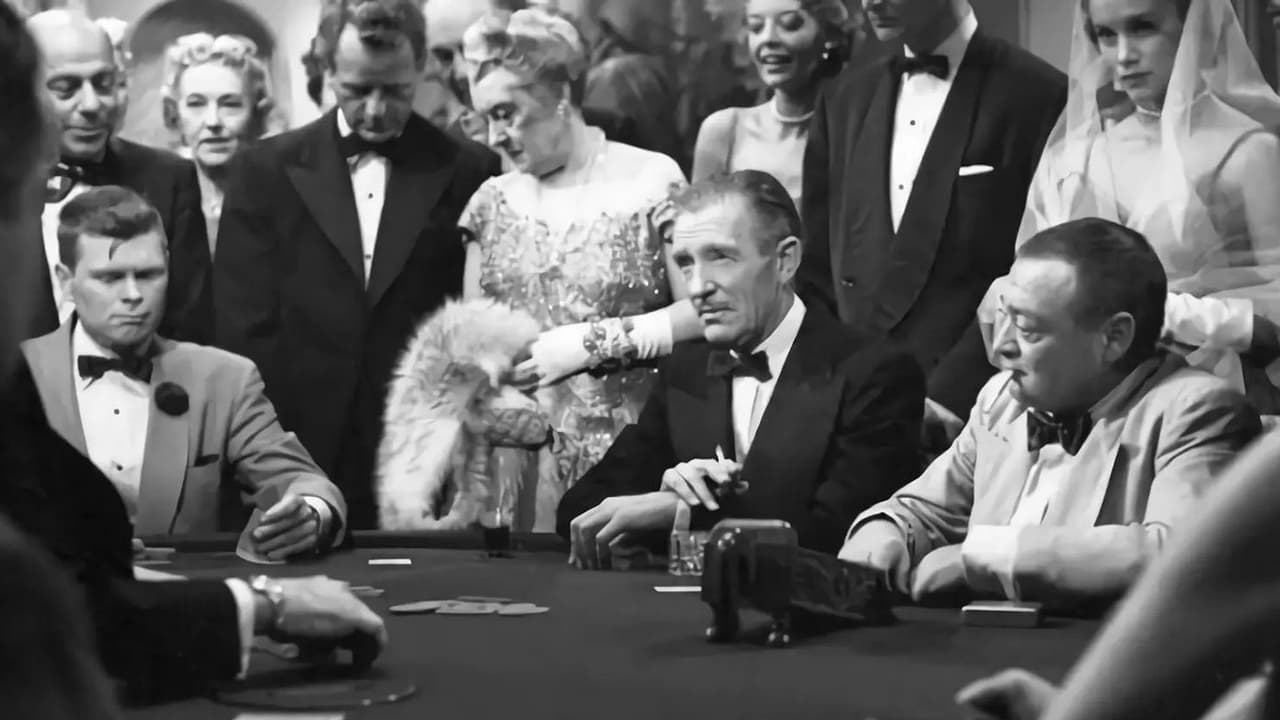
Casino Royale
1954 · Le Chiffre
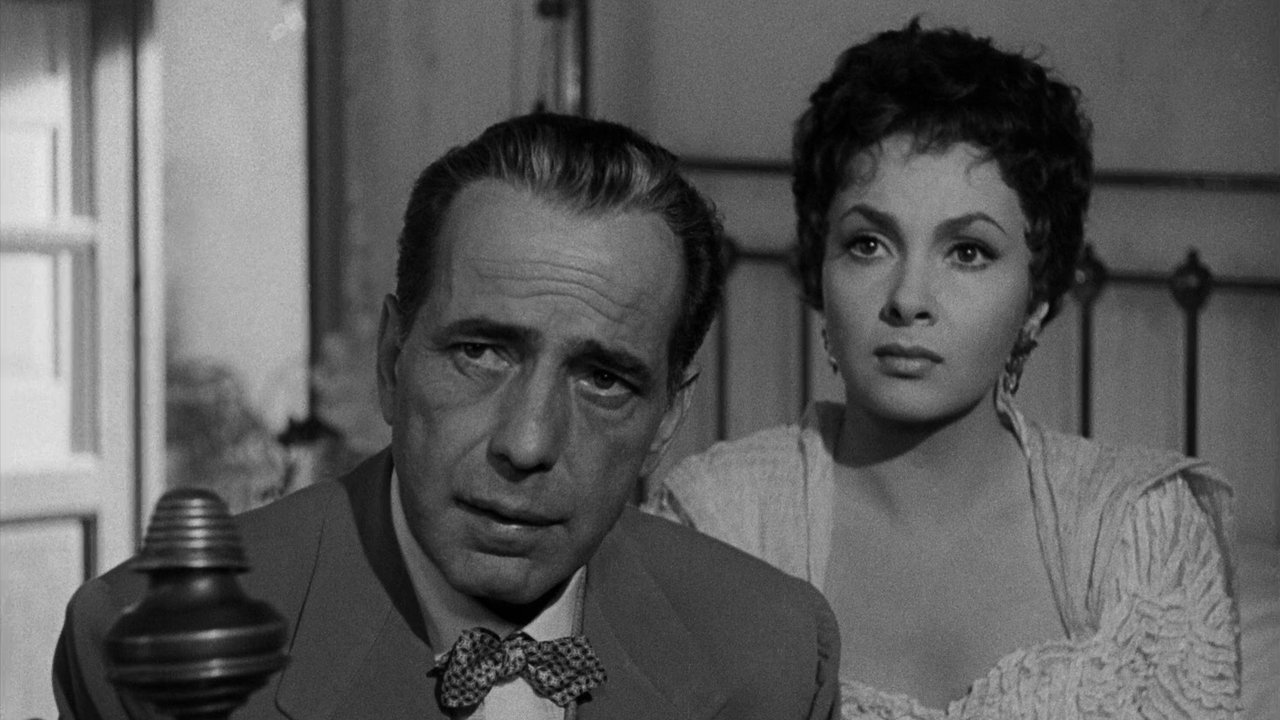
Beat the Devil
1953 · Julius O'Hara
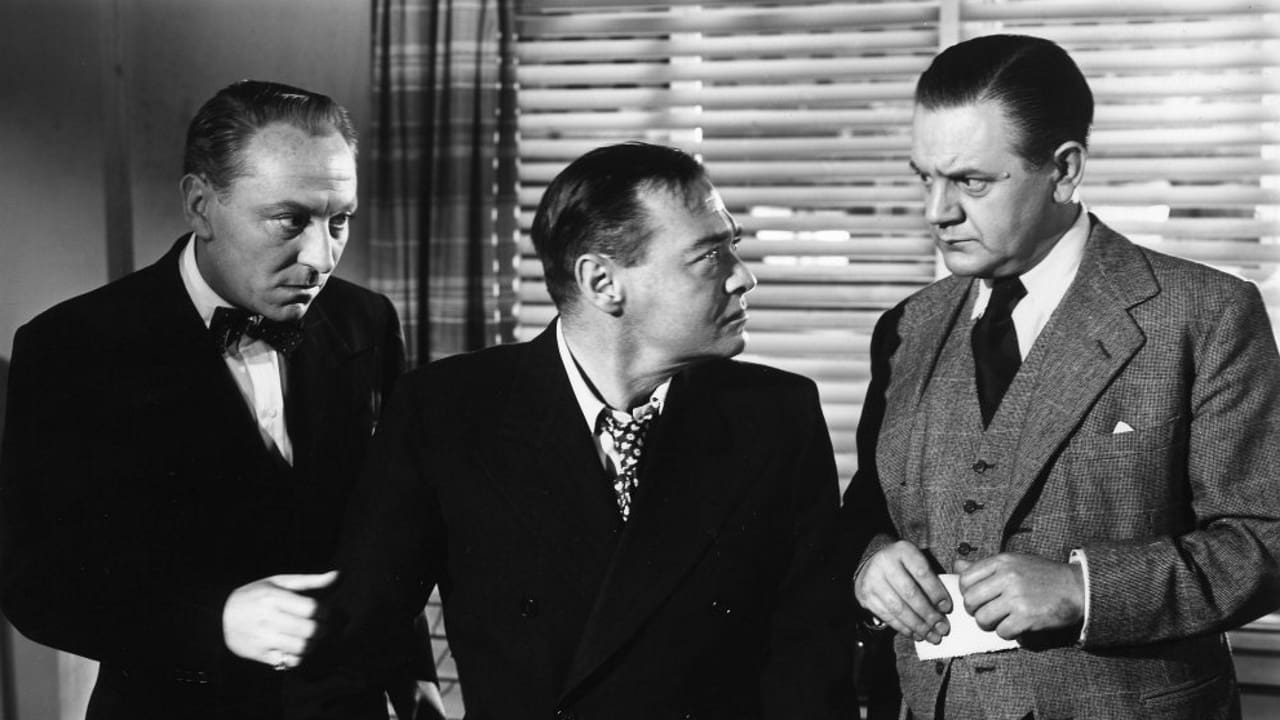
Double Confession
1950 · Paynter
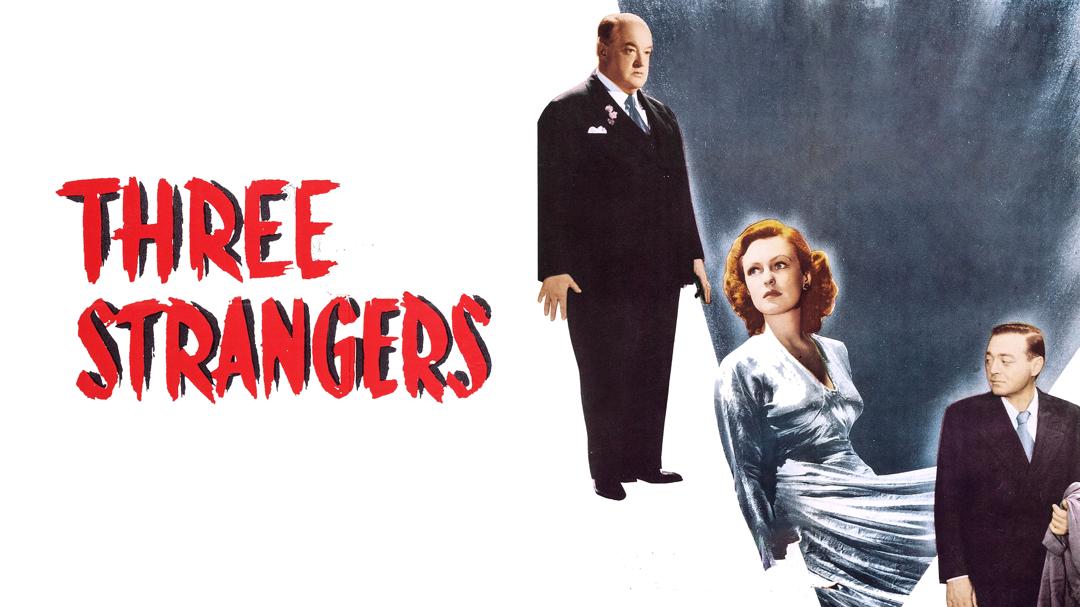
Three Strangers
1946 · Cast
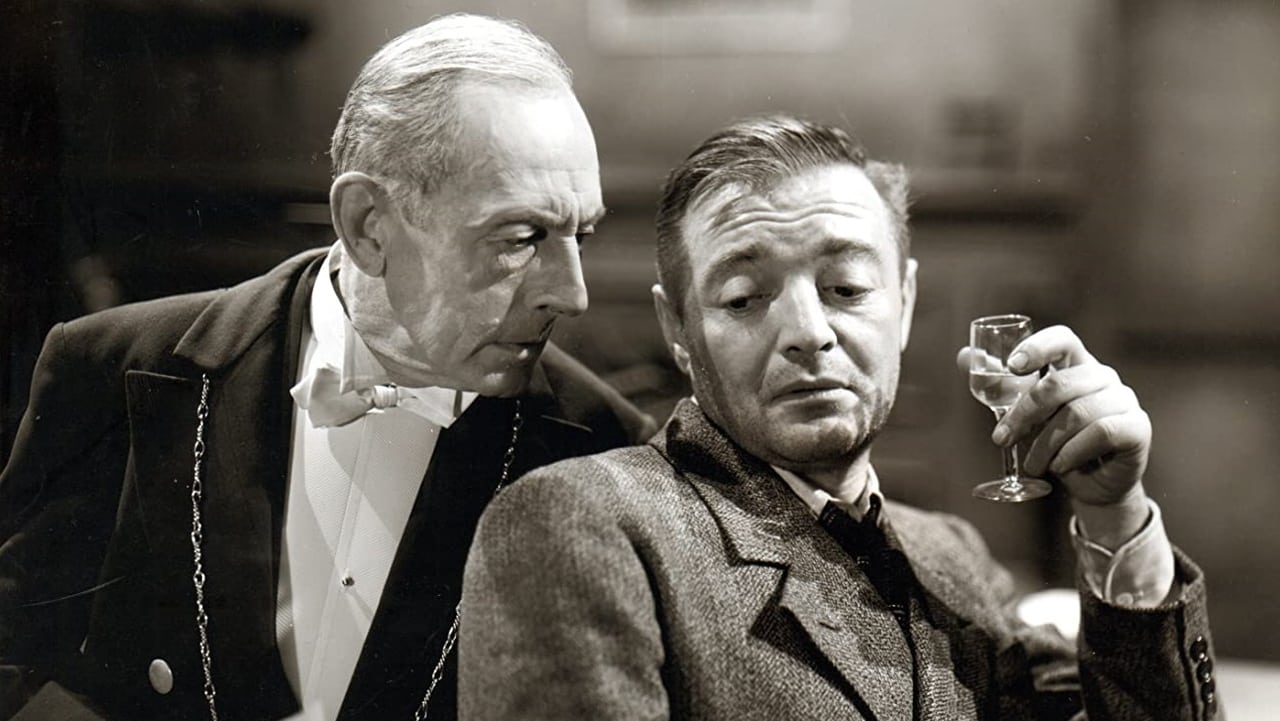
Hotel Berlin
1945 · Johannes Koenig

Passage to Marseille
1944 · Cast
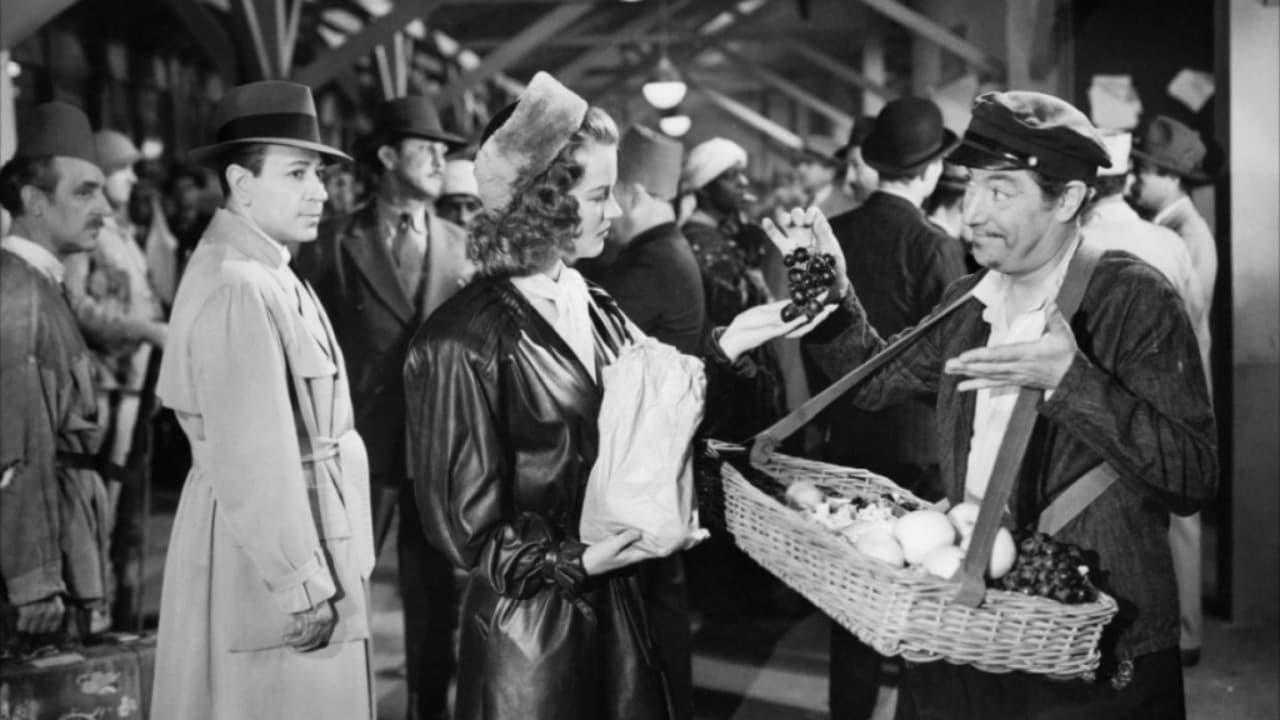
Background to Danger
1943 · Nikolai Zaleshoff
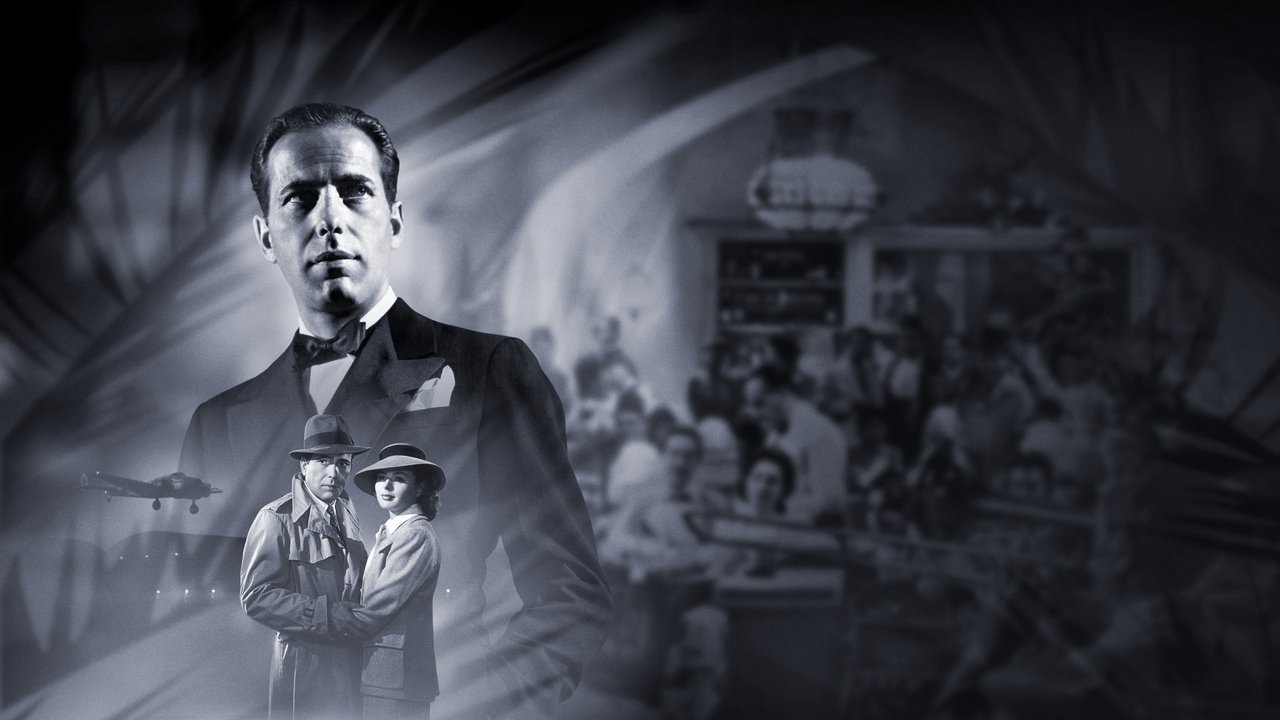
Casablanca
1943 · Ugarte
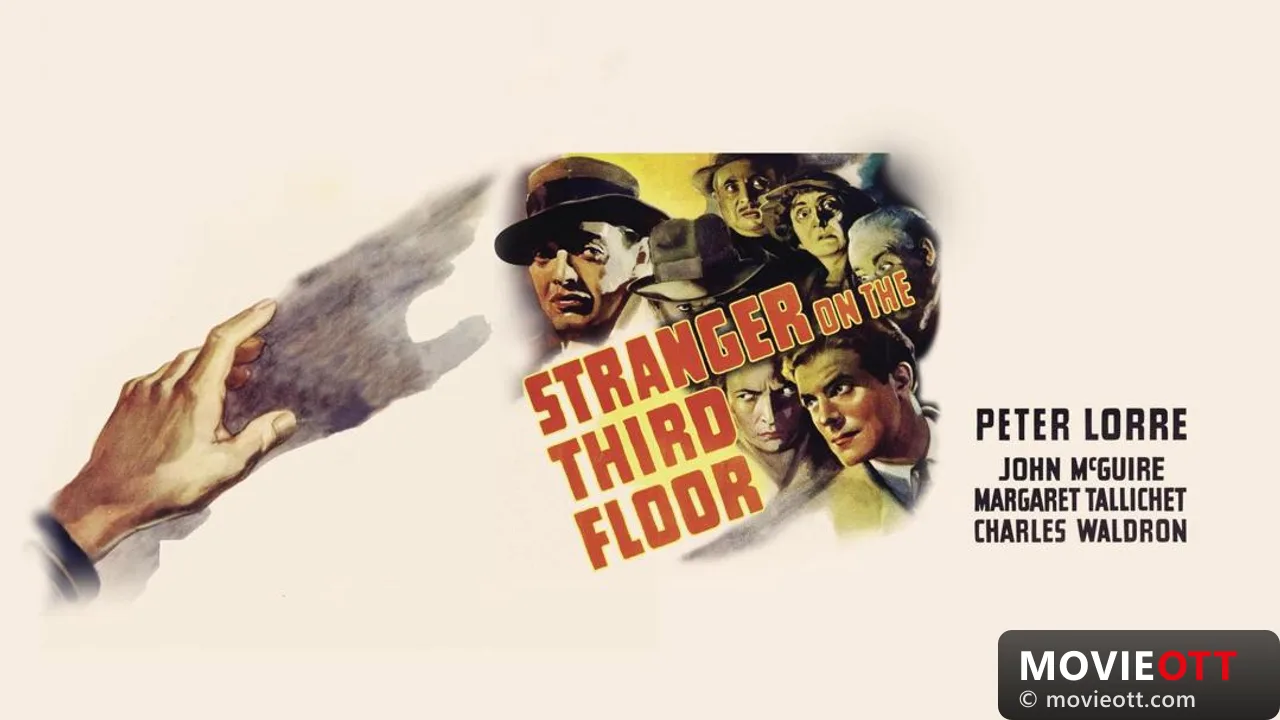
Stranger on the Third Floor: A Pioneer of Film Noir
1940 · Cast
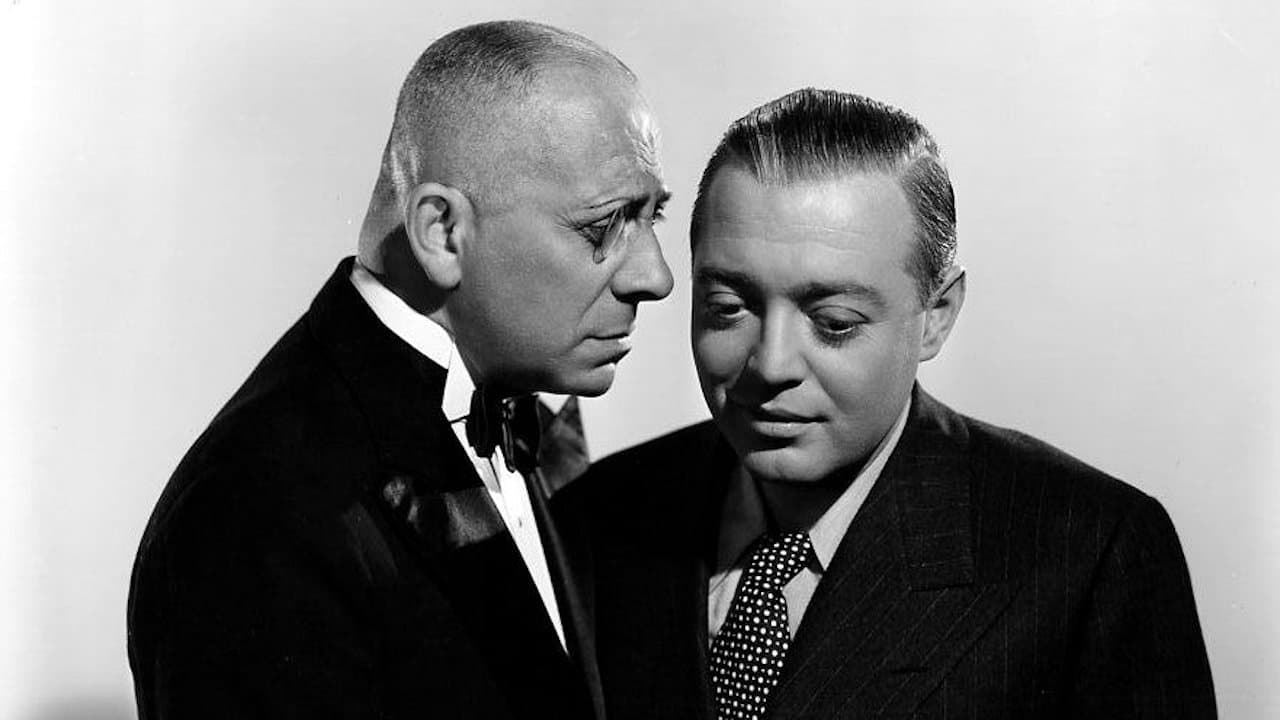
I Was an Adventuress
1940 · Polo

I'll Give a Million
1938 · Cast
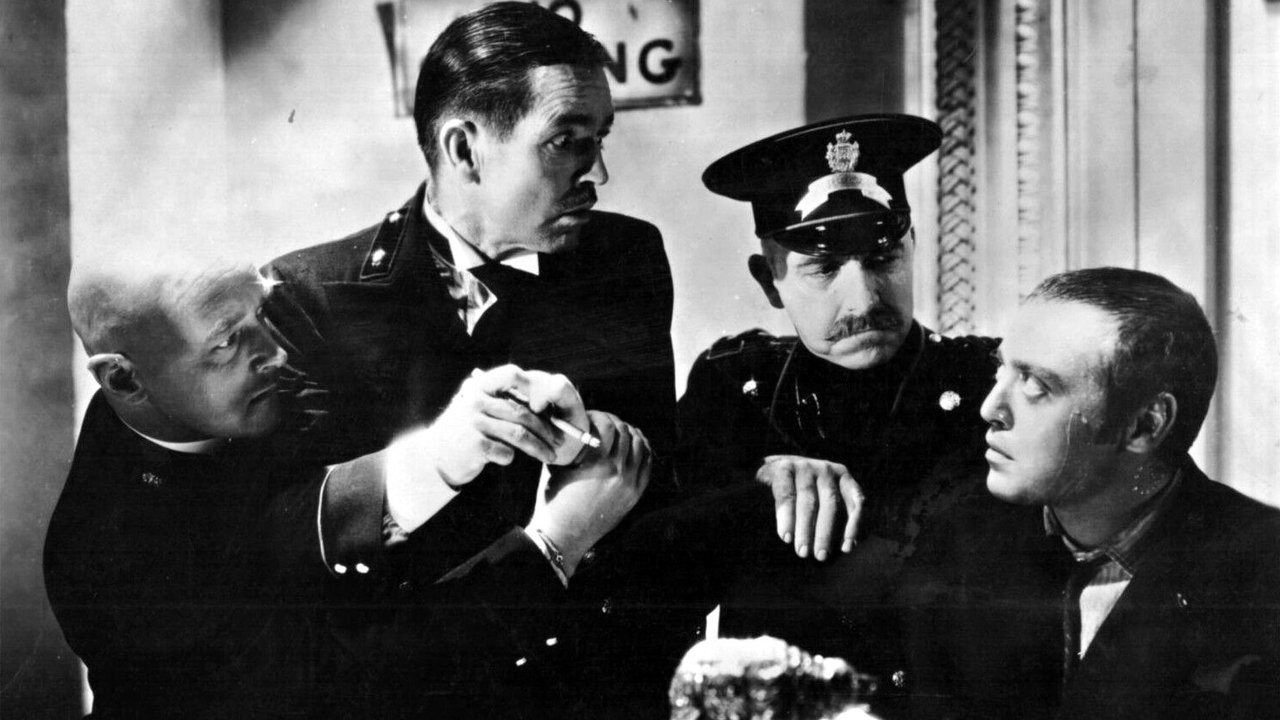
Crime and Punishment
1935 · Roderick Raskolnikov
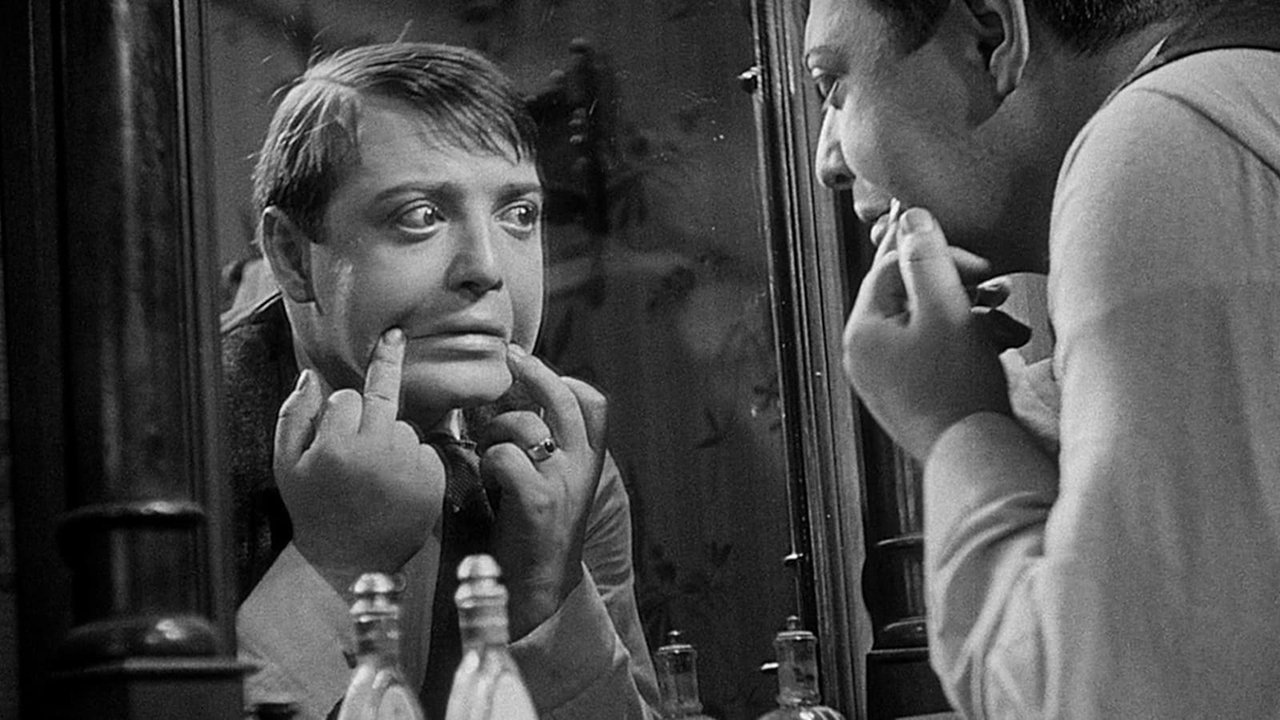
M
1931 · Hans Beckert
Frequently asked questions
When and where was Peter Lorre born?
Peter Lorre was born 1904-06-26 in Rózsahegy (now Ružomberok), Austria-Hungary (now Slovakia).
What films is Peter Lorre known for?
Peter Lorre has 14 titles indexed on Movie OTT, including The Raven, Casino Royale, Beat the Devil.
Where can I watch Peter Lorre's films?
5 of Peter Lorre's films are currently streaming, available on Prime Video, Max, HBO Max Amazon Channel, Apple TV Store.
How long has Peter Lorre been active?
Peter Lorre's film career on Movie OTT spans from 1931 to 1963 — 32 years of work.