







The story of The Art of Fighting
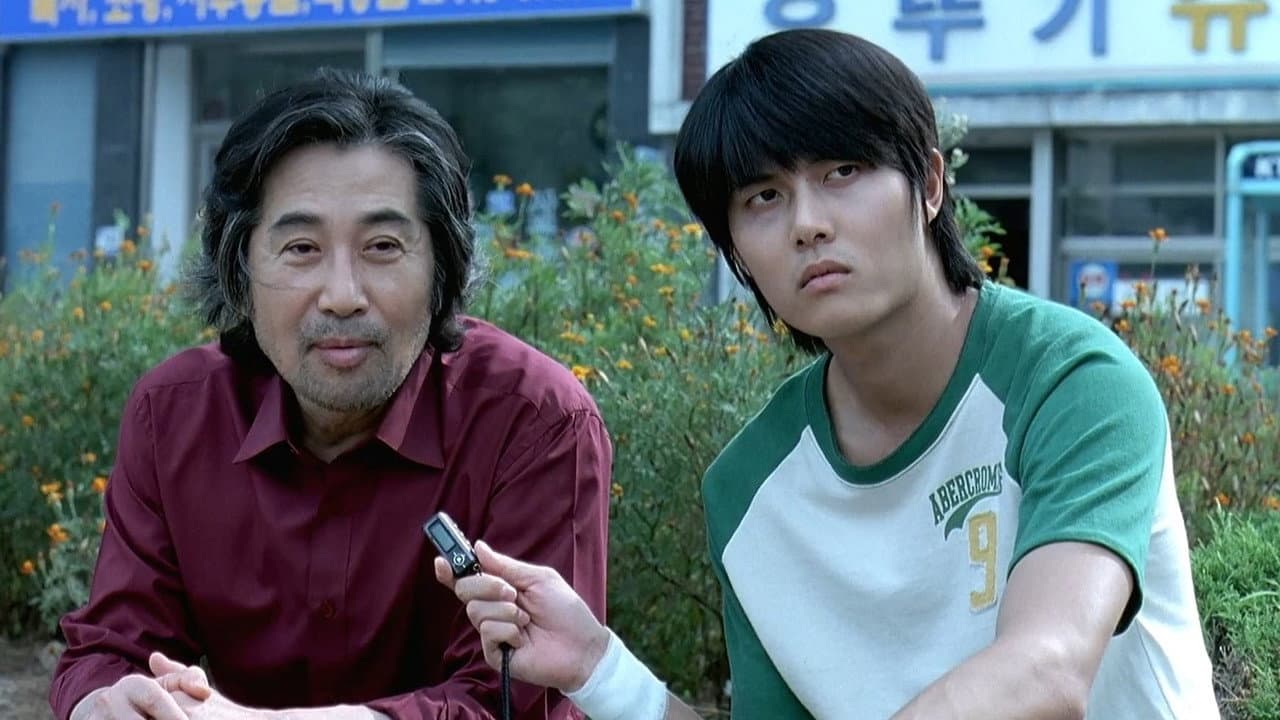
Byung-tae's life is a daily humiliation. He's the kid everyone hits, the target every bully knows will crumble without a fight back. Then he meets Pan-su, a martial arts expert with a philosophy about combat that's less "destroy your enemies" and more "figure out why you're worth defending in the first place." What unfolds isn't your typical underdog revenge fantasy—instead, The Art of Fighting uses its premise to explore something messier and more human: the gap between learning to throw a punch and learning to believe you deserve to. Over 100 minutes, the film balances genuine action sequences with comedy that lands because it's rooted in real awkwardness rather than manufactured gags. The tagline promises "The fight master's guide to beating up school bullies," but what you're actually getting is something closer to a coming-of-age story that happens to involve a lot of martial arts.
Behind the making of The Art of Fighting
Director Shin Han-sol co-wrote and helmed this 2006 release, which arrived in Korean theaters on January 5 of that year. The film found genuine audience traction—1,313,727 tickets sold nationwide is no small feat in the South Korean market, especially for a comedy-action hybrid that could've easily felt like a gimmick. CJ Entertainment and Corea Entertainment backed the production, two major players in Korean cinema with the resources to execute both the comedic timing and the martial arts sequences without cutting corners. What's striking is how the film doesn't treat its premise as either pure slapstick or pure action thriller; it sits in that uncomfortable middle ground where both genres inform each other. The casting choices matter here too—you need actors who can sell vulnerability in one scene and physical comedy in the next, and the ensemble manages that tonal shift without whiplash. IMDb users have rated it 6.051/10, which honestly feels about right for a film that's trying to do two things at once and mostly succeeds at both, even if it doesn't entirely master either.
What makes The Art of Fighting stand out
Most school-bully narratives go one of two ways: either pure wish-fulfillment (the weak kid becomes invincible and humiliates his tormentors), or grim social commentary (the system is broken, nothing changes). The Art of Fighting refuses both routes. What's compelling here—and I keep coming back to this—is how the film treats Pan-su not as a savior but as a flawed, sometimes exasperating teacher who's working through his own stuff while trying to help someone else. The comedy doesn't punch down at Byung-tae for being weak; it finds humor in the friction between his desperation and Pan-su's laid-back philosophy. There's a particular scene early on where Byung-tae expects to learn devastating takedown moves, and instead Pan-su makes him do something mundane that seems pointless—that moment captures the whole film's approach. It's not trying to be the most technically impressive action movie, nor is it chasing the biggest laughs. Instead, it's genuinely interested in the relationship between these two characters, and that emotional core is what keeps the movie from feeling like a novelty. The performances anchor everything; without real commitment from the cast, this could've been insufferable.
Where to stream The Art of Fighting online
The Art of Fighting is currently available on major OTT services, and Movie OTT tracks real-time streaming availability so you can find exactly where it's streaming right now in your region. Rather than hunting across a dozen apps, the Where to Watch widget at the top of this page shows you every platform carrying the title—whether that's a subscription service, rental option, or free ad-supported tier. Availability shifts regularly depending on licensing agreements, so if you're planning to watch it this weekend, that widget is your fastest way to confirm where it actually is. The good news is that for a 2006 Korean film with solid box office performance and lasting cultural relevance, it's gotten decent distribution on streaming platforms, so you shouldn't have to dig too hard to find it.
Frequently asked questions
Q: Is The Art of Fighting based on a true story?
The film is a fictional narrative rather than a biographical adaptation, though it draws on familiar real-world experiences of school bullying and mentorship. Director Shin Han-sol created an original story that feels grounded in authentic emotional stakes even if the specific characters are invented.
Q: Who directed The Art of Fighting?
Shin Han-sol both wrote and directed the film, giving it a consistent creative vision throughout. His involvement in both the script and direction meant the tonal balance between comedy and action was deliberate rather than accidental.
Q: What's the runtime of The Art of Fighting?
The film runs exactly 100 minutes, which is a smart length for this kind of story—long enough to develop the relationship between Byung-tae and Pan-su without overstaying its welcome or padding scenes for runtime.
Q: When was The Art of Fighting released?
The movie premiered in South Korean theaters on January 5, 2006, and went on to sell over 1.3 million tickets domestically, indicating strong word-of-mouth and audience reception in its home market.
Q: What genres is The Art of Fighting?
The film blends action and comedy, though it's more accurately described as an action-comedy-drama that takes its character work seriously while delivering on both the humor and the fight choreography.
Final thoughts on The Art of Fighting
This isn't a film that's going to blow your mind with technical innovation or reinvent the martial arts genre. It won't rank among the greatest Korean action films ever made. But that's kind of the point—The Art of Fighting is comfortable being a mid-budget crowd-pleaser that cares more about its characters than its spectacle. If you're looking for a movie that's funny without being condescending, action-packed without being exhausting, and genuinely invested in its underdog story without being manipulative about it, this one's worth your time. It's the kind of film that plays better with an open mind and maybe some lowered expectations, which—let's be honest—is how most of us approach streaming picks anyway.