



The Story of The Cotton Club
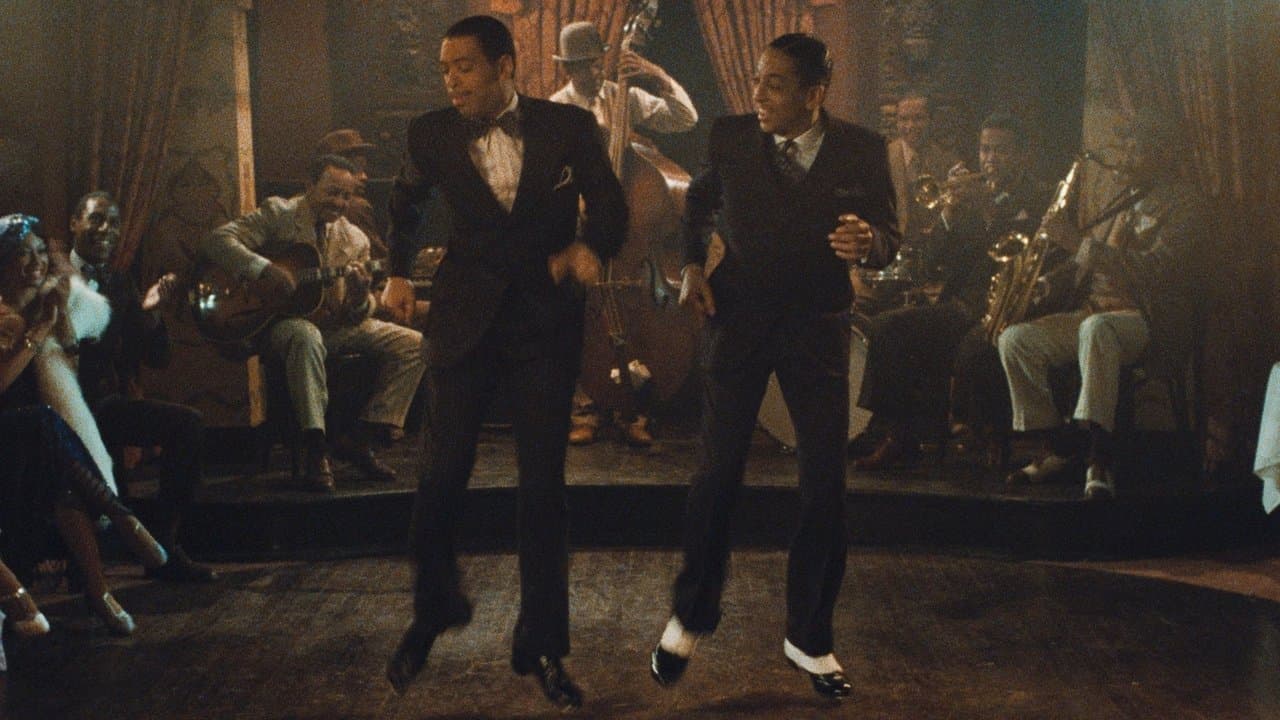
The Cotton Club isn't your typical gangster film—though it certainly has the violence and moral compromise you'd expect from that genre. Set in late 1920s Harlem, the film centers on the eponymous nightclub, where jazz musicians perform for white audiences while the city outside seethes with racial tension, bootleggers, and corrupt cops. The narrative weaves together the lives of entertainers and mobsters, showing how their worlds collide and intertwine in ways that can't be undone. What's striking is how Coppola uses the club itself as a character—a place where deals are made, lives are traded, and the legends of jazz light up the night, to borrow from the film's own tagline. You've got forbidden romance, betrayal, and the constant threat of violence lurking beneath the sequins and saxophone solos.
How The Cotton Club Came Together
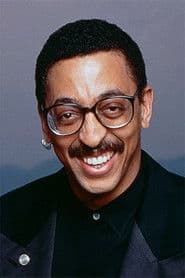
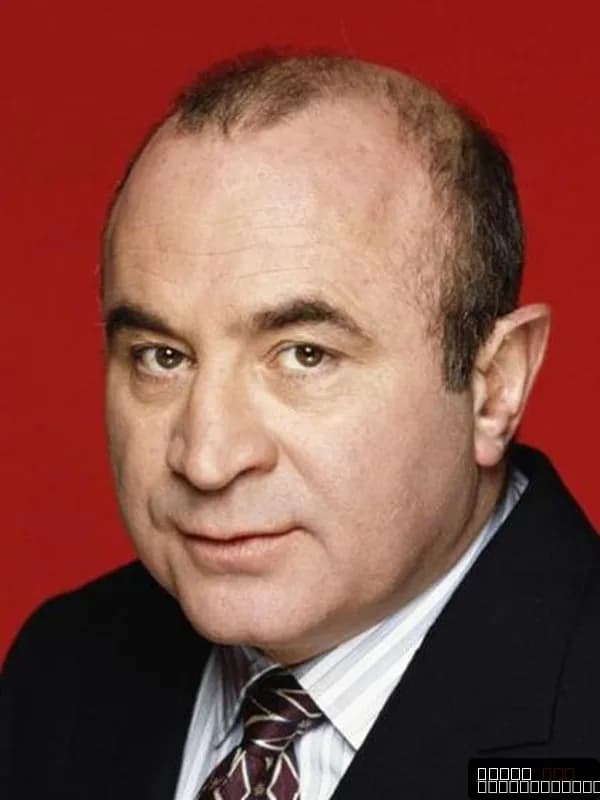
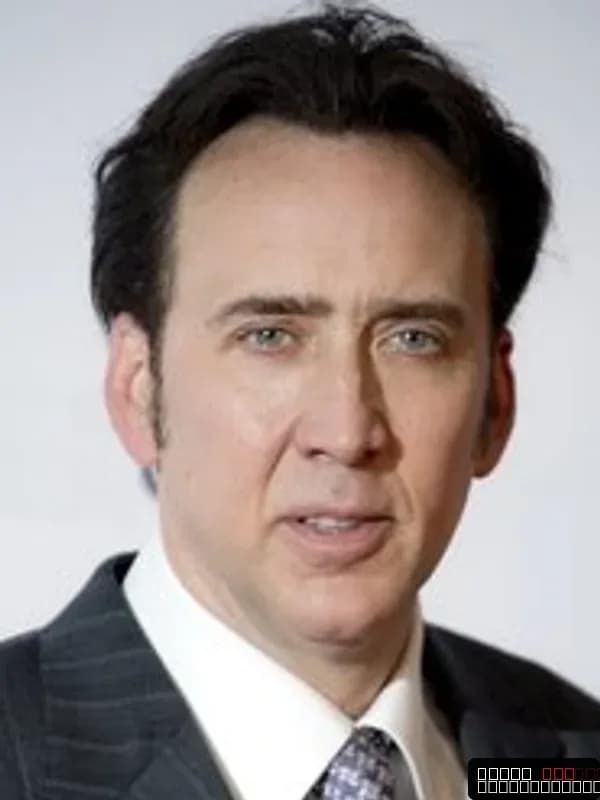
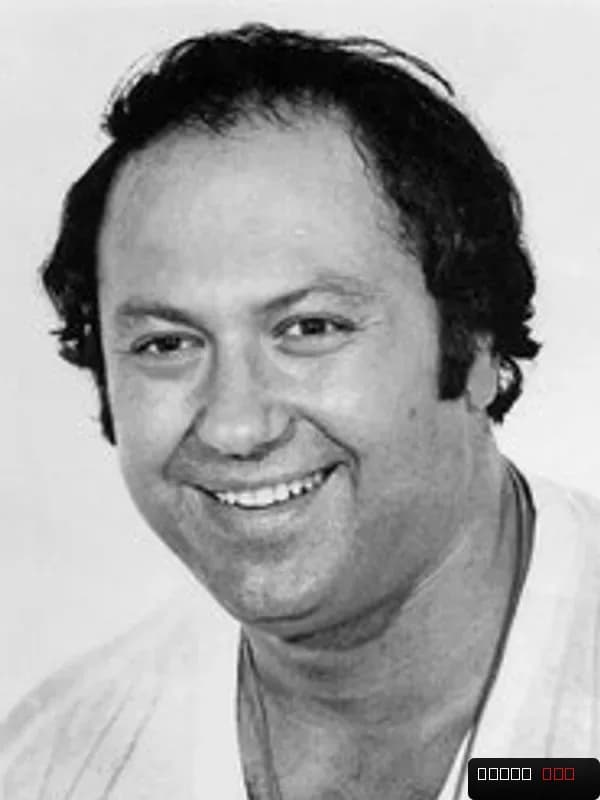
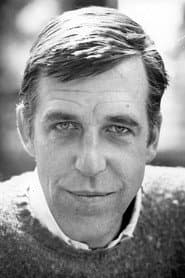
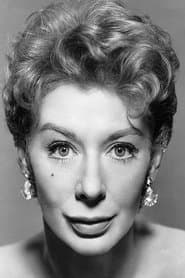
Francis Ford Coppola directed and co-wrote The Cotton Club based on James Haskins' 1977 non-fiction book, and the production was anything but smooth. The film brought together a powerhouse ensemble: Richard Gere and Gregory Hines carry much of the weight, with Diane Lane and Lonette McKee adding depth to the romantic tensions. Supporting roles featured Bob Hoskins, James Remar, Nicolas Cage, Fred Gwynne, Gwen Verdon, and a young Laurence Fishburne—a cast list that reads like a who's who of 1980s talent. The project was produced by American Zoetrope, Robert Evans Productions, and others, with a runtime of 130 minutes that allows Coppola to really breathe life into Harlem's underworld. At the time, the film didn't quite capture mainstream box office magic, and critics were divided—some praised its ambition, others felt it tried to do too much. On IMDb, it sits at a 6.5/10, which honestly undersells what's actually on screen. The film's production design and cinematography showcase craft that doesn't always get the credit it deserves, and if you're tracking where to find quality crime dramas from this era, Movie OTT keeps tabs on which platforms are currently streaming it.
What Makes The Cotton Club Stand Out
Here's the thing about The Cotton Club: it's stuffed to the gills with story, character, and atmosphere, but that ambition is also its greatest strength. The film doesn't shy away from the racism baked into the era—the Cotton Club itself was a segregated venue where Black performers entertained white patrons, a contradiction that the film doesn't gloss over. Coppola uses this setting to explore power dynamics, desire, and the impossible choices people make when survival is on the line. The performances anchor everything. Hines brings a physicality and charisma to his role that's electric, while Gere carries the moral weight of a man caught between worlds. What's less talked about is how the film balances spectacle with intimacy—you'll get sweeping dance numbers and then suddenly cut to a quiet moment of genuine heartbreak. The screenplay manages to juggle multiple storylines without feeling scattered, though it does require your attention. I keep coming back to the way Coppola shoots the club scenes themselves: they're glamorous, sure, but there's always something unsettling just off-frame, a reminder that beauty and danger are neighbors in this world. The film's willingness to let scenes breathe, to let awkward silences hang in the air, sets it apart from more conventional crime dramas of the period.
Where to Stream The Cotton Club Online
The Cotton Club is currently available on major OTT services, and the "Where to Watch" widget at the top of this page will show you exactly which platforms have it right now—availability shifts, so it's worth checking there first. Movie OTT tracks streaming availability across the major platforms, making it easy to see whether you can catch it on your preferred service without having to hunt across five different apps. Since the film runs 130 minutes, you'll want to carve out a solid evening to experience it properly. The visual and sonic design rewards a full-screen, full-attention viewing experience, so streaming it on a decent-sized screen will serve the film far better than a phone watch-through.
Frequently asked questions
Q: Who directed The Cotton Club?
Francis Ford Coppola both directed and co-wrote The Cotton Club, bringing his signature style to this 1930s Harlem crime drama. It's one of his more ambitious ensemble pieces, attempting to balance gangster narrative with musical spectacle.
Q: Is The Cotton Club based on a true story?
The film is based on James Haskins' 1977 non-fiction book of the same name, which documented the real Cotton Club and its cultural significance. While it uses historical setting and real figures, Coppola weaves fictional characters and storylines throughout the narrative.
Q: What's the runtime of The Cotton Club?
The film runs 130 minutes, giving Coppola plenty of space to develop his interconnected storylines and fully inhabit the world of 1920s Harlem.
Q: Who stars in The Cotton Club?
The ensemble cast includes Richard Gere, Gregory Hines, Diane Lane, and Lonette McKee in lead roles, with supporting performances from Bob Hoskins, James Remar, Nicolas Cage, Fred Gwynne, Gwen Verdon, and a young Laurence Fishburne.
Q: What genre is The Cotton Club?
The film is classified as a crime drama, though it incorporates musical and romantic elements throughout. It's really a hybrid that doesn't fit neatly into a single category—part gangster story, part jazz musical, part love story.
Final Thoughts on The Cotton Club
Don't let the middling reputation scare you away. The Cotton Club deserves another look, especially if you appreciate ambitious filmmaking that doesn't apologize for its complexity. It's a film that respects its audience's intelligence and refuses to simplify the moral messiness of its setting. If you're into crime dramas with real style, jazz history, or just want to see Coppola working at the height of his powers with an incredible ensemble, this one's worth your time. Stream it, pay attention, and don't expect easy answers—that's where the real power lies.