




What The Day After is about
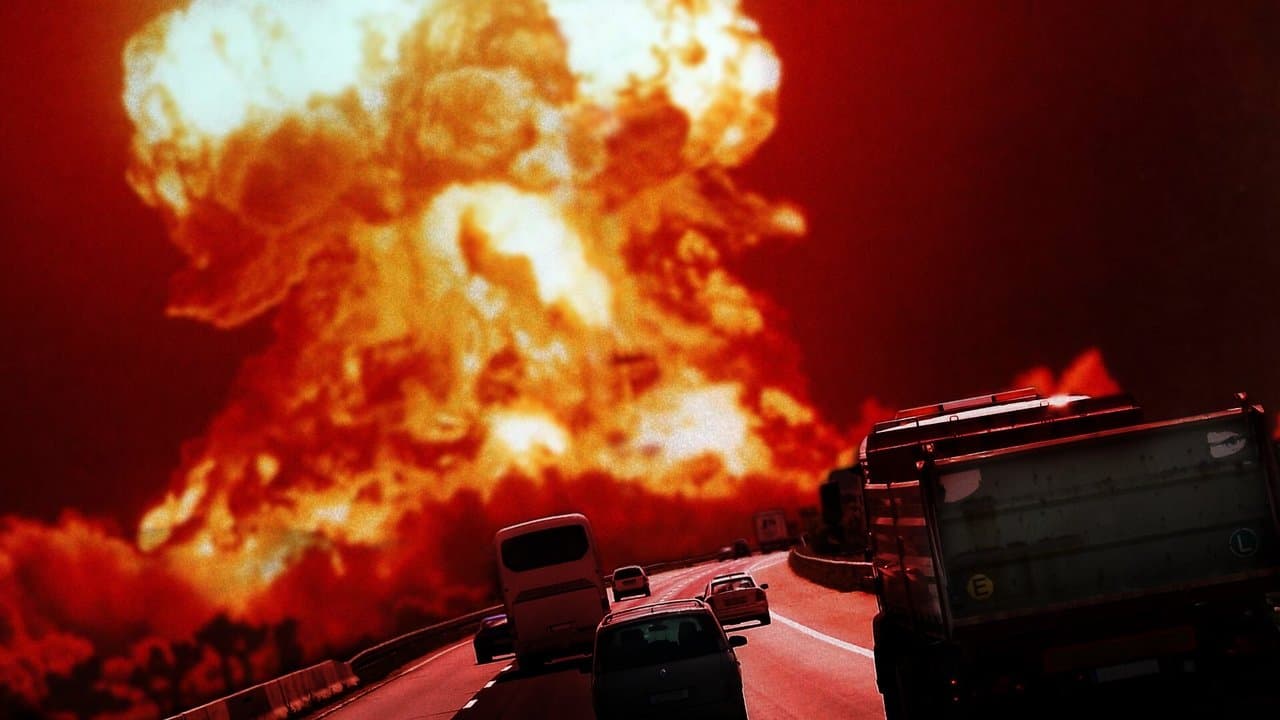
The Day After follows ordinary people in Lawrence, Kansas—a surgeon managing his hospital rounds, a young woman planning her wedding, a graduate student buried in his studies—as they navigate the mundane rhythms of life in the early 1980s. That normalcy becomes the film's most devastating weapon. When geopolitical tensions between NATO and the Warsaw Pact spiral catastrophically out of control, the unthinkable becomes real: a full-scale nuclear exchange between superpowers. The bombs fall. The world doesn't end in a flash of glorious spectacle—it ends in ash, radiation sickness, starvation, and the slow dissolution of everything these characters thought was permanent. What unfolds isn't an action movie. It's a portrait of survival stripped of meaning.
Behind the making of The Day After
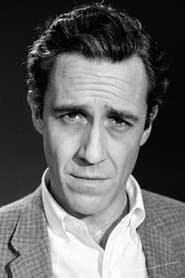
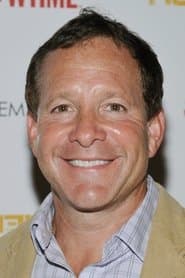
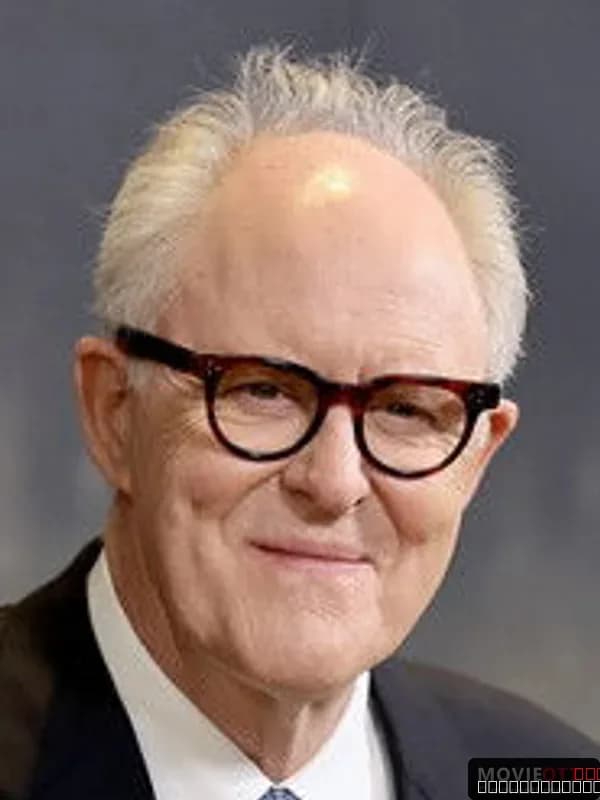
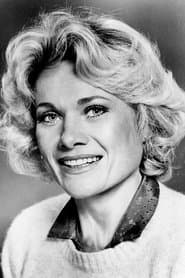
Director Nicholas Meyer brought a documentarian's eye to the production, drawing on real military footage and the 1979 Air Force documentary First Strike to ground the film in technical accuracy. The cast was formidable: Jason Robards delivered a career-defining performance as the aging physician watching his world collapse, while Steve Guttenberg and John Lithgow anchored the ensemble with understated vulnerability. JoBeth Williams brought quiet desperation to her role, and John Cullum's presence lent gravitas throughout. Written by Edward Hume and produced by Robert Papazian for ABC Circle Films, the film was a massive, expensive undertaking for television—127 minutes of uncompromising storytelling that pushed against what networks thought audiences could handle. The production faced considerable resistance. Networks and sponsors worried the material was too bleak, too political, too frightening. Yet ABC greenlit it anyway, and when it aired on November 20, 1983, roughly 100 million viewers tuned in—a stunning testament to cultural anxiety at the height of Cold War tensions. The film didn't rack up major awards, but it didn't need to. Its cultural impact was immediate and seismic.
Why The Day After hits harder than most nuclear war films
What's striking is that The Day After doesn't sensationalize the apocalypse. There are no heroes defusing bombs in the final seconds, no plucky survivors rebuilding civilization with grit and determination. Instead, Meyer's film sits with the aftermath—the hospital overwhelmed with radiation victims, the farmland poisoned, the slow realization that survival might be worse than death. The performances anchor everything. Robards, in particular, conveys a kind of existential exhaustion that's almost unbearable to watch; his character doesn't rage against the dying of the light, he just... persists, diminished. Viewers who caught it on first broadcast—and Movie OTT tracks these titles across streaming platforms for easy access—noted the film's refusal to offer catharsis or redemption. That's what makes it work. It doesn't tell you how to feel about nuclear war; it shows you what nuclear war actually looks like in the eyes of people you've come to care about over the preceding two hours. The pacing is deliberate, almost slow-burn, which allows dread to accumulate rather than explode. Some critics compared it favorably to the British film Threads, though where Threads functions as docudrama, The Day After builds character first, then strips it all away. That character work is what lingers.
How to watch The Day After online
The Day After is currently available on major OTT services, making it more accessible now than it's been in decades. If you're hunting for where to stream it, check the Where to Watch widget at the top of this page—it'll show you every platform carrying the title right now. Streaming availability shifts, so that widget is your most reliable source. What's worth noting is that this film, made for television in 1983, has aged into something that feels almost more urgent in the streaming era, when apocalyptic narratives are everywhere but rarely this quiet or this grounded.
Frequently asked questions
Q: Who directed The Day After?
Nicholas Meyer directed the film. Meyer brought a documentary sensibility to the production, using real military footage and archival sources to ground the nuclear exchange in technical plausibility.
Q: Is The Day After based on a true story?
No, it's a fictional narrative, though it was inspired by real Cold War anxieties of the early 1980s. The plot imagines a hypothetical NATO-Warsaw Pact conflict that escalates into full nuclear war, but it didn't actually happen.
Q: When did The Day After air, and how many people watched it?
The film premiered on ABC on November 20, 1983. Approximately 100 million viewers tuned in, making it one of the most-watched television events of that era.
Q: How long is The Day After?
The film runs 127 minutes, which is substantial for a made-for-TV movie. That runtime allows Meyer to develop characters and let dread accumulate rather than rushing toward spectacle.
Q: What's the IMDb rating for The Day After?
The film holds a 6.8/10 on IMDb. While that might seem modest, it doesn't capture the film's cultural significance or its power to disturb—ratings don't always account for impact.
Final thoughts on The Day After
There's something about returning to The Day After decades later that hits differently. You're not watching it in 1983, when nuclear annihilation felt imminent, when you didn't know if the world would still exist in five years. You're watching it now, knowing the Cold War ended, knowing we survived—and yet the film's portrait of ordinary people facing the unthinkable feels oddly contemporary. If you haven't seen it, don't expect comfort. Don't expect answers. Expect to sit with the weight of it for hours afterward. That's the point. That's always been the point.