
The Story of The Flying Scotsman
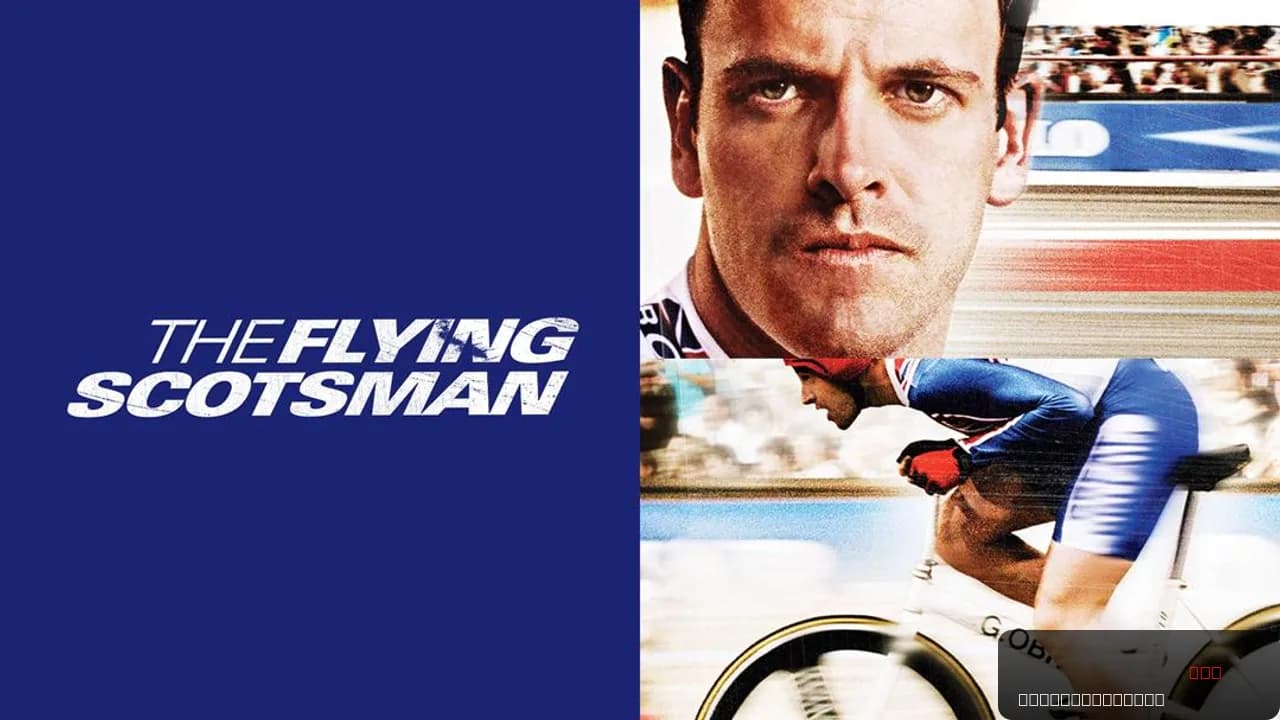
The Flying Scotsman charts the turbulent life of Graeme Obree, a Scottish amateur cyclist whose unconventional approach to his sport—and his life—made him one of the most compelling figures in cycling history. The film follows Obree as he pursues the world one-hour distance record, loses it, and then fights to reclaim it, all while navigating the crushing weight of bipolar disorder. What sets this narrative apart from typical sports dramas isn't just the cycling. It's the fact that Obree engineered his bike from washing machine parts, a detail that perfectly captures his scrappy, improvise-and-overcome mentality. The 2006 film doesn't shy away from the psychological toll of his ambitions, treating mental illness not as a subplot but as the central struggle that defines everything he attempts to achieve.
Behind the Making of The Flying Scotsman
Director Douglas Mackinnon brought The Flying Scotsman to the screen as a British-German-Italian-American co-production, a sign of the film's international appeal despite its distinctly Scottish heart. Jonny Lee Miller carries the entire film as Obree, supported by a cast that includes Brian Cox, Billy Boyd, and Laura Fraser—actors with serious dramatic pedigree who ground the story in emotional authenticity rather than melodrama. The film earned seven nominations at various award ceremonies, a respectable haul for an indie sports drama that cost relatively little to produce. It's rated PG-13, making it accessible to younger viewers interested in cycling or true-story adaptations. The box office numbers tell you something about the film's niche appeal: it earned just $171,817 theatrically, which means most people who've discovered it have done so through home viewing or streaming platforms. That's actually typical for character-driven British dramas—they often find their real audience after the theatrical run ends. Metascore gave it a 49 out of 100, suggesting mixed critical reception, though the 51% on Rotten Tomatoes indicates critics were genuinely split on whether the film's ambitions matched its execution.
What Makes The Flying Scotsman Stand Out
Honestly, what's striking about The Flying Scotsman is how it refuses to separate Obree's cycling achievements from his mental health struggles—they're the same story. There's a scene where Obree's manic energy propels him toward breakthrough training sessions, and you can't tell where the bipolar episode ends and the athletic drive begins. That's the kind of nuance most sports films miss entirely. Miller's performance avoids the trap of playing mental illness as inspiration porn; instead, he shows us a man whose talent and his condition are inseparable, neither redemptive nor tragic, just real. The film doesn't pretend to have answers. It doesn't wrap everything up in a neat third-act bow where he's "cured" or "saved" by the sport. Instead, it documents his ups and downs—literally, the wins and losses—with a kind of documentary-like honesty that feels earned rather than manufactured. What critics who rated it lower may have missed is that the film's refusal to be conventionally uplifting is actually its greatest strength. You're watching someone who doesn't fit the mold of a typical athlete, who builds his own bike, who struggles with his own mind, and who keeps trying anyway. That's not a feel-good story. That's a human story.
Where to Stream The Flying Scotsman Online
If you're ready to watch The Flying Scotsman, you can find it on Prime Video right now. The 102-minute runtime makes it an easy evening watch, and the film's intimate scale—it's not a blockbuster, and it doesn't pretend to be—plays surprisingly well on smaller screens. Since streaming availability changes, Movie OTT tracks where The Flying Scotsman is currently available so you don't have to hunt across multiple apps. The Where to Watch widget at the top of this page shows you all the platforms carrying it today, so you can jump straight to your preferred service.
Frequently asked questions
Q: Is The Flying Scotsman based on a true story?
Yes. The film is based on the real life of Scottish cyclist Graeme Obree, who holds multiple world records and famously built his bike from spare parts, including components from a washing machine. The film covers his pursuit of the one-hour distance record in the 1990s.
Q: Who directed The Flying Scotsman?
Douglas Mackinnon directed the film. It was a co-production between the United Kingdom, Germany, Italy, and the United States, released in 2006.
Q: What is the runtime of The Flying Scotsman?
The film runs 102 minutes and is rated PG-13, making it suitable for most audiences, though its themes around mental illness and personal struggle are best suited for mature viewers.
Q: Does The Flying Scotsman deal with mental health?
Yes. The film centers on Graeme Obree's bipolar disorder and how it intersects with his cycling career. It's a core element of the story, not a side detail, and the film treats it with seriousness and nuance.
Q: How did The Flying Scotsman perform critically?
Reviews were mixed. It holds a 51% on Rotten Tomatoes and a Metascore of 49, suggesting critics were divided on its execution. It earned seven award nominations despite a limited theatrical release.
Final Thoughts on The Flying Scotsman
The Flying Scotsman isn't a traditional underdog sports film, and that's exactly why it's worth your time. It's a story about obsession, ingenuity, and the messy reality of pursuing excellence while your own brain works against you. Miller's performance alone justifies the watch. If you're looking for something that'll inspire you to get on a bike, this might not be it—but if you want to understand what it actually costs to be great, especially when greatness doesn't come easy, The Flying Scotsman delivers. Stream it when you've got time for something that doesn't wrap up neatly. That's the whole point.