Inside the Repressive World of The Handmaid's Tale
"The Handmaid's Tale" plunges viewers into a chillingly plausible dystopian future, set in a United States ravaged by environmental catastrophe and civil war. Following a radical coup, the nation has been transformed into the Republic of Gilead, a totalitarian state founded on a warped interpretation of biblical law. In this new order, women are stripped of all autonomy, rigidly categorized, and subjugated to serve specific societal functions. The most crucial of these roles falls to the "Handmaids," a class of fertile women forced into ritualized servitude to bear children for the ruling elite, due to widespread infertility caused by pollution, which means only 1% of women can bear children. We follow Kate, played by Natasha Richardson, one such woman who is torn from her family and indoctrinated into this brutal system. Her new identity, Offred, signifies her status as property, but beneath her forced compliance, a flicker of resistance remains. It's a terrifying setup.
Crafting the Dystopian Vision: The Making of The Handmaid's Tale
Volker Schlöndorff's 1990 film The Handmaid's Tale marks the first cinematic adaptation of Margaret Atwood's seminal 1985 novel, preceding the hugely popular Hulu television series by nearly three decades. This German-American co-production, clocking in at a taut 108 minutes, brought together a formidable international cast and crew to realize Atwood's grim vision. Directing duties fell to the acclaimed German filmmaker Volker Schlöndorff, known for his nuanced historical dramas. The screenplay was penned by none other than the legendary British playwright Harold Pinter, whose distinctive style – often marked by terse dialogue and underlying menace – lent itself remarkably well to the novel's oppressive atmosphere. Ryuichi Sakamoto, the celebrated Japanese composer, provided the original music score, further enhancing the film's stark emotional landscape.
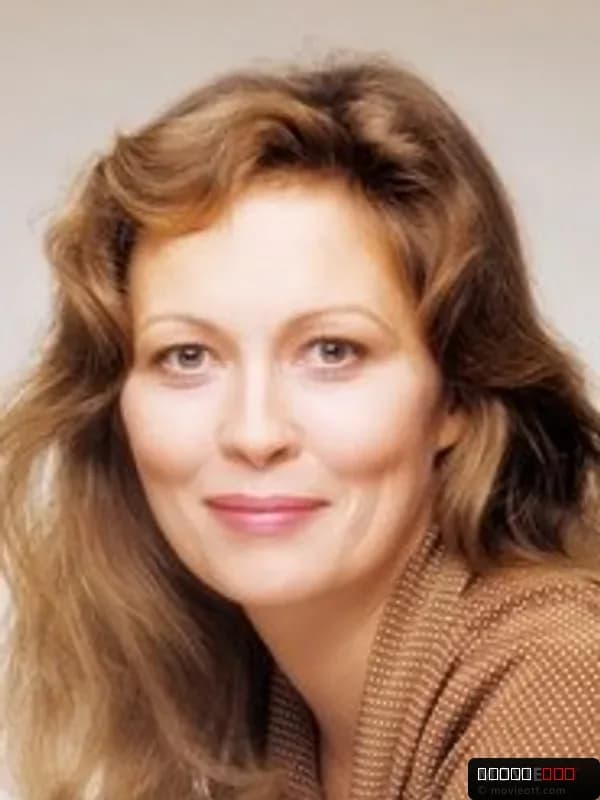
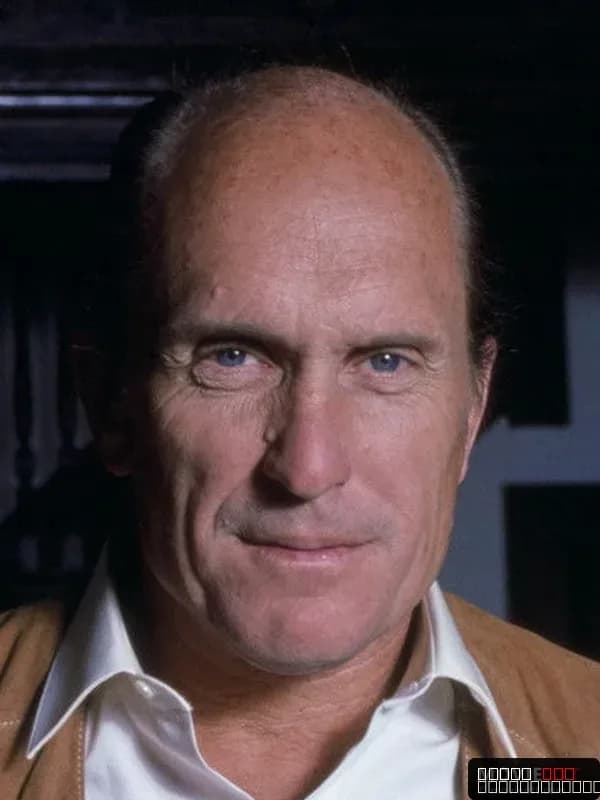
The ensemble cast is truly a powerhouse, led by the late Natasha Richardson in the pivotal role of Kate/Offred, delivering a performance that is both fragile and fiercely determined. She's joined by an array of distinguished actors, including the formidable Faye Dunaway as the chilling Serena Joy, Robert Duvall as the Commander, and Aidan Quinn as the enigmatic Nick. Elizabeth McGovern portrays Moira, Kate's outspoken friend, while Victoria Tennant and Blanche Baker round out the significant female roles, each contributing to the film's unsettling depiction of female subjugation and rebellion. The film earned an IMDb rating of 6.1/10 and was recognized with an entry into the prestigious 40th Berlin International Film Festival, a testament to its artistic ambition and the enduring power of its source material. For anyone tracking the lineage of dystopian cinema, this 1990 production is an essential watch, and Movie OTT helps you find where to experience such foundational films.
The Enduring Impact and Critical Lens of The Handmaid's Tale
What's striking about Schlöndorff's The Handmaid's Tale is its deliberate pacing and focused narrative, a quality that many viewers, myself included, appreciate when comparing it to subsequent adaptations. One user review, for instance, praises this 1990 version for being "something watchable," specifically noting its concise runtime of "only about 100 minutes" as a strength that prevents the story from being "dragged out" like other, longer interpretations. This isn't to say the film sacrifices depth; rather, it distills the novel's core themes of oppression, reproductive rights, and the quiet acts of defiance into a potent, unsettling experience. Natasha Richardson’s portrayal of Offred is particularly compelling, conveying a sense of profound internal struggle and muted rebellion through subtle glances and quiet strength.
The film's visual language, while perhaps dated in some aspects – honestly, the hairspray volume in Gilead is a sight to behold, as one reviewer wryly observed, making "Stepford Wives look like an ordinary family street" – effectively establishes the stark, controlled environment. The division of women into distinct, color-coded groups, like the privileged "blue" Wives and the fertile "red" Handmaids, is visually impactful, instantly communicating the rigid social hierarchy. This visual clarity, coupled with Harold Pinter's sharp, economical dialogue, ensures that the film never loses its narrative grip. It’s a testament to the power of a well-crafted screenplay that so much can be conveyed in under two hours. Film historians often point out that this adaptation, despite its relatively modest IMDb rating of 6.1/10, successfully captured the immediate horror and claustrophobia of Atwood's novel, making it a