








Unraveling the Ancient Conflict in The Loves of Salammbo
"The Loves of Salammbo" transports audiences to the tumultuous 3rd century B.C., plunging us into a world where empires clash and personal loyalties are tested against the backdrop of war. The narrative opens with the powerful Phoenician city of Carthage, which has, in its struggle against the Roman Empire, employed a formidable horde of barbarian mercenaries. When the city's ruler, Hamilcar Barca, finds himself unable to fulfill the promised payment to these fierce warriors, a dangerous situation escalates rapidly. The barbarians, feeling betrayed, turn their wrath upon the very African settlement they were hired to protect. It's into this volatile scenario that Salammbô—the king's daughter and the revered high priestess of the goddess Tanit—steps, attempting to mediate the escalating crisis. Her efforts are complicated by the barbarian leader, Matho, who has become captivated by her, stealing Carthage's sacred veil from the temple in a desperate, perhaps misguided, gesture. Unbeknownst to them, a powerful and malevolent member of Carthage's council of wise men harbors his own sinister agenda, further entangling the city's fate.
Behind the Grandeur: The Making of 1960's The Loves of Salammbo
Released in 1960, "The Loves of Salammbo" isn't just a film; it's a testament to the grand, sweeping historical epics that defined a significant era of European cinema. With a runtime of 110 minutes, this adventure film, a co-production between Italy's Stella Film and France's Fides Films, embodies the classic peplum genre, often referred to as 'sword-and-sandal' films. These productions were characterized by their lavish sets, thousands of extras, and often melodramatic storylines rooted in ancient history or mythology. The official tagline, "The Mighty Spectacle of Forbidden Love!" perfectly encapsulates the ambition and scale that filmmakers aimed for during this period, promising audiences an escape into a world of grandeur and passion. While such films often soared at the box office in their day, their critical reception could be varied, and "The Loves of Salammbo" reflects this, holding an IMDb rating of 4.778 out of 10. This rating, honestly, isn't uncommon for many films of the peplum era when viewed through a modern lens, where historical accuracy and nuanced character development sometimes took a backseat to sheer visual bombast. Yet, it's precisely this commitment to spectacle that makes the film a fascinating artifact, a window into the filmmaking techniques and storytelling priorities of the time. It really is a distinct flavor of cinema.
The Enduring Appeal and Mixed Legacy of The Loves of Salammbo
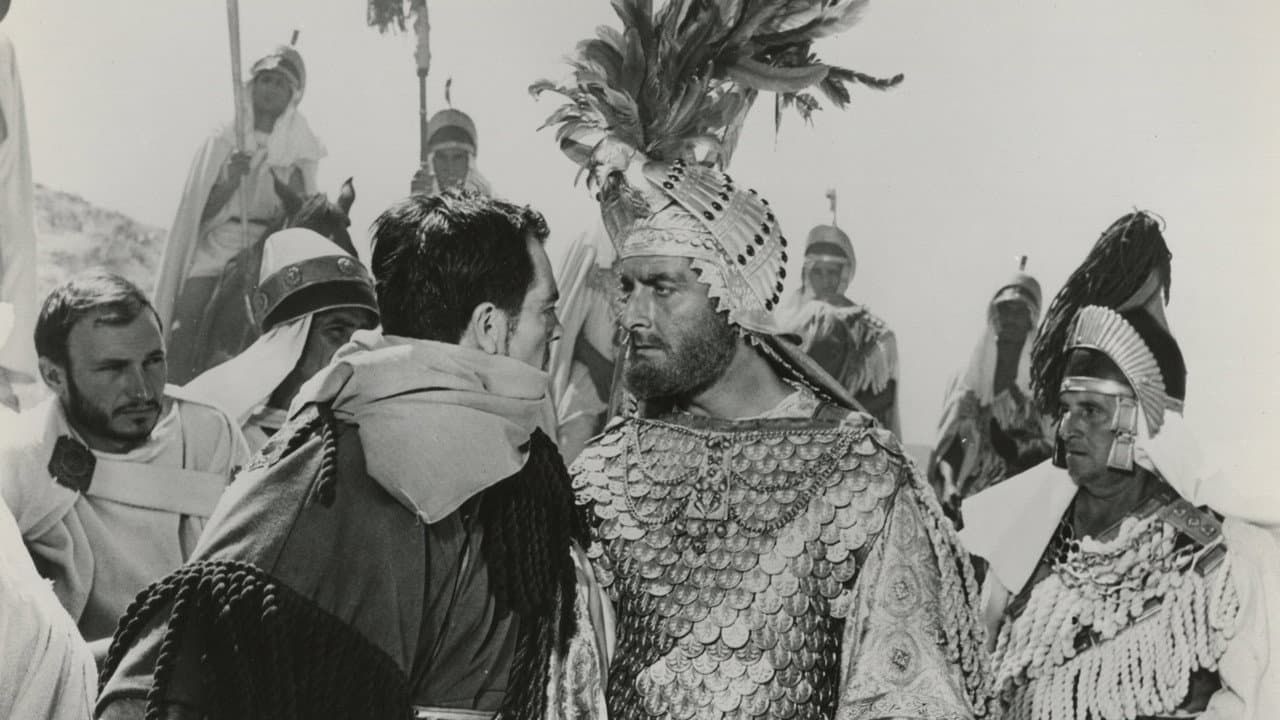
Despite its modest IMDb rating of 4.778/10, "The Loves of Salammbo" holds a unique charm for enthusiasts of classic cinema and historical epics. What makes this film stand out, even today, is its unwavering commitment to visual grandeur. The 1960 production doesn't shy away from grand set pieces—something you'd expect from a 1960s adventure—showcasing massive armies, elaborate costumes, and impressive practical effects that were cutting-edge for their time. A visual feast. The story, while perhaps not breaking new ground in terms of narrative complexity, offers a compelling blend of forbidden love, political betrayal, and epic warfare, themes that remain perennially popular. I keep coming back to the film's sheer visual ambition; it’s a spectacle. One might argue that the film, despite its narrative shortcomings and the occasional wooden performance, manages to capture a certain archaic grandeur that many modern CGI-laden blockbusters often struggle to convey, presenting a fascinating window into a bygone era of filmmaking where practical sets and thousands of extras were the norm. Contemporary reviews, though often mixed, sometimes praised its visual flair; Variety noted its "lavish production values, even if the dramatic pacing felt a bit ponderous." For us at Movie OTT, revisiting these older films often reveals unexpected pleasures—a certain earnestness, a commitment to a particular style of storytelling that you just don't see anymore. The performances, while perhaps not always subtle, are delivered with a theatricality that perfectly suits the epic scope, making the characters feel larger than life. The conflict between duty and personal desire, particularly through Salammbô's character, adds a layer of emotional depth to the barbarian clashes. Just pure spectacle. (And isn't that part of the fun of these old epics?)
Where to Stream The Mighty Spectacle of The Loves of Salammbo Online
For those eager to dive into this historical epic, "The Loves of Salammbo" is currently available on major OTT services. Finding classic films like this can sometimes be a treasure hunt, but modern streaming platforms have made it significantly easier to access these cinematic gems. You'll find all the up-to-date streaming options listed conveniently in the 'Where to Watch' widget right at the top of this Movie OTT page. We understand the frustration of searching multiple services, which is why Movie OTT tracks current streaming availability across various platforms, ensuring you get the most accurate information at your fingertips. Whether you're a long-time fan of peplum films or a newcomer curious about the "Mighty Spectacle of Forbidden Love!" that captivated audiences in 1960, we've got you covered. Check the widget to see exactly where you can embark on this ancient adventure from the comfort of your home.
Frequently asked questions
Q: What is The Loves of Salammbo about?
"The Loves of Salammbo" is an adventure film set in 3rd century B.C. Carthage. It tells the story of a conflict between the Phoenician city and barbarian mercenaries who attack after not receiving payment, focusing on the king's daughter, Salammbô, and her efforts to mediate, complicated by a barbarian leader's love for her and the theft of a sacred veil.
Q: When was The Loves of Salammbo released?
The film "The Loves of Salammbo" was released in the year 1960. It was a product of the popular peplum genre, which was prominent in European cinema during that period.
Q: How long is the movie The Loves of Salammbo?
"The Loves of Salammbo" has a total runtime of 110 minutes. This length is typical for many historical epics of the era, allowing ample time for its grand narrative and spectacle.
Q: What is the IMDb rating for The Loves of Salammbo?
"The Loves of Salammbo" holds an IMDb rating of 4.778 out of 10. This rating reflects its reception among viewers, often placing it in the category of cult classics or films appreciated for their historical significance and genre conventions rather than mainstream critical acclaim.
Q: Who produced The Loves of Salammbo?
"The Loves of Salammbo" was a collaborative effort, produced by Stella Film and Fides Films. This Italian and French co-production model was common for large-scale historical dramas during the early 1960s.
Q: Where can I stream The Loves of Salammbo?
"The Loves of Salammbo" is currently available on major OTT services. For the most up-to-date information on streaming availability, you'll want to refer to the 'Where to Watch' widget on this page, which is regularly updated by Movie OTT.
Final Verdict: Is The Loves of Salammbo Worth Your Time?
If you're a connoisseur of classic adventure films, particularly those from the golden age of peplum cinema, then "The Loves of Salammbo" is definitely worth a watch. It may not boast a stellar critical rating, but its undeniable commitment to spectacle, its elaborate period costumes, and its earnest melodrama offer a unique viewing experience. This isn't a film designed for subtle introspection; it's pure escapism, a journey back to an era when Hollywood and European studios invested heavily in bringing ancient worlds to life with practical effects and thousands of extras. For fans of grand historical narratives, forbidden romance, and the sheer audacity of 1960s filmmaking, you'll find plenty to enjoy. Give it a shot; it's a mighty spectacle, indeed.