




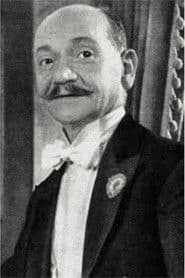
The Story of Miracle in Milan
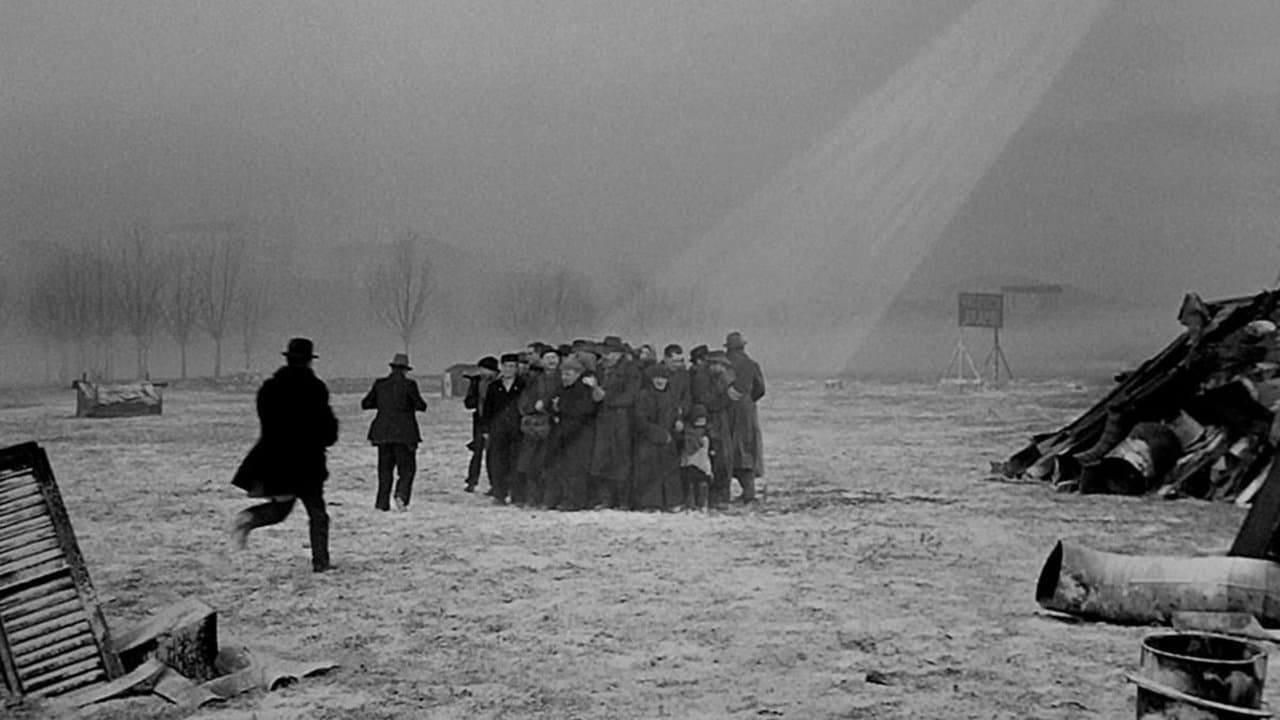
Miracle in Milan opens with a premise so simple it feels like a fairy tale—because it is one, sort of. An elderly woman discovers a baby nestled in her cabbage patch and raises him with quiet devotion. When she dies, the boy, Totò, moves into an orphanage. But here's the thing: he doesn't emerge bitter or broken. Instead, he leaves as one of the most genuinely optimistic young men you'll ever see on screen, ready to make his way in post-World War II Milan. What unfolds is a story about finding community among the forgotten, about how kindness can be radical, and about what happens when an impossible dreamer meets an immovable force. The film doesn't stay grounded for long—it's a fantasy, after all—but it's a fantasy rooted in the real desperation of homeless Milanese who've got nothing but each other and the vacant lot where they build their shanty town. When developers come circling, Totò will need more than optimism. He'll need a miracle.
Production, Cast and the Vision Behind Miracle in Milan
Vittorio De Sica co-wrote and directed Miracle in Milan alongside screenwriter Cesare Zavattini, adapting Zavattini's 1943 novel Totò il Buono. This wasn't some throwaway project—De Sica was already a giant of Italian cinema, and this film sits squarely in the neorealist tradition that made him famous, even as it pushes beyond it into something stranger and more magical. The production came from Produzioni De Sica and ENIC, working within the constraints and possibilities of early 1950s Italian filmmaking. Francesco Golisano carries the entire picture as Totò, a performance that requires him to be both utterly sincere and subtly comic—no easy feat. The ensemble cast includes Emma Gramatica, Paolo Stoppa, Guglielmo Barnabò, and Brunella Bovo, each adding texture to the world of the dispossessed. The film arrived with considerable prestige and has maintained a 7.3 rating on IMDb, a respectable score that reflects its enduring appeal across decades. It's the kind of film that Movie OTT users often stumble upon and can't quite forget afterward—not because it's flawless, but because it dares to be both heartbreaking and ridiculous in the same breath.
What Makes Miracle in Milan Stand Out
What's striking is how the film refuses to choose between two impulses that usually don't go together. It's genuinely about poverty, homelessness, and the casual cruelty of developers who see human beings as obstacles to profit. The opening tagline—"An impudent, riotous laugh on the lives and morals of our day!"—isn't ironic. There's real anger buried under the whimsy. Yet De Sica doesn't wallow in despair the way a purely naturalistic film might. Instead, he lets Totò's goodness infect everything. When the orphan organizes his community, when he moves through the world with unshakeable kindness even as people try to exploit him—when he gets punched and keeps smiling—you're watching something almost subversive in its refusal to be cynical. Golisano's performance is crucial here. He never winks at the camera. He doesn't play Totò as naive; he plays him as genuinely, bewilderingly kind, which somehow makes the character more credible, not less. The film's 97 minutes move quickly, mixing comedy, drama, and fantasy elements in ways that shouldn't work but do. I keep coming back to the scene where Totò encounters a thief trying to steal from him—a moment that crystallizes the whole film's moral logic. It's funny and sad at once. That's where the real magic lives, not in any supernatural intervention but in the collision between human decency and a world designed to crush it. Critics have long recognized this tonal sophistication, and it's why the film remains essential viewing for anyone interested in how cinema can be both politically engaged and emotionally generous.
Where to Stream Miracle in Milan Online
Miracle in Milan is currently available on major OTT services, making it accessible to streaming audiences worldwide. Rather than hunting through a dozen platforms individually, you can check the "Where to Watch" widget at the top of this page—it'll show you exactly which services have it available right now in your region. Streaming rights shift regularly, so that widget stays updated in real time. What's nice about Miracle in Milan is that it's become a staple of curated collections on platforms that specialize in classic and arthouse cinema. If you're already a subscriber to a major streaming service, there's a decent chance you'll find it waiting there. Movie OTT tracks current streaming availability across multiple platforms, so you don't have to click around wondering where to start watching.
Frequently asked questions
Q: Who directed Miracle in Milan?
Vittorio De Sica directed and co-wrote the film alongside Cesare Zavattini. De Sica was one of the architects of Italian neorealism, and this film represents a fascinating evolution of that style into something more fantastical.
Q: Is Miracle in Milan based on a true story?
No, it's based on Cesare Zavattini's 1943 novel Totò il Buono. However, the film draws heavily from the real conditions of post-war Milan, where homelessness and urban poverty were widespread realities that De Sica and Zavattini witnessed directly.
Q: What's the runtime of Miracle in Milan?
The film runs 97 minutes, a tight length that keeps the story moving without sacrificing depth or character development.
Q: When was Miracle in Milan released?
The film premiered in 1951, nearly a decade after Zavattini wrote the source novel, allowing time for post-war reconstruction to reshape the Milan the story depicts.
Q: Is Miracle in Milan a comedy or a drama?
It's both, along with fantasy elements. The film blends all three genres—it's funny and heartbreaking and magical all at once, which is part of what makes it so distinctive and hard to categorize.
Final Thoughts on Miracle in Milan
Miracle in Milan doesn't fit neatly into any box, and that's precisely why it matters. It's a film about the powerless that refuses to make powerlessness noble or tragic in the conventional sense. Instead, it asks: what if kindness were a form of resistance? What if optimism weren't naivety but a deliberate choice? The 1951 release was bold for its time, and it remains bold today. If you haven't seen it, don't skip it because it's old or because the title sounds too whimsical. This is essential cinema—humane, strange, and absolutely worth your time.