





The story of The Garden of the Finzi-Continis
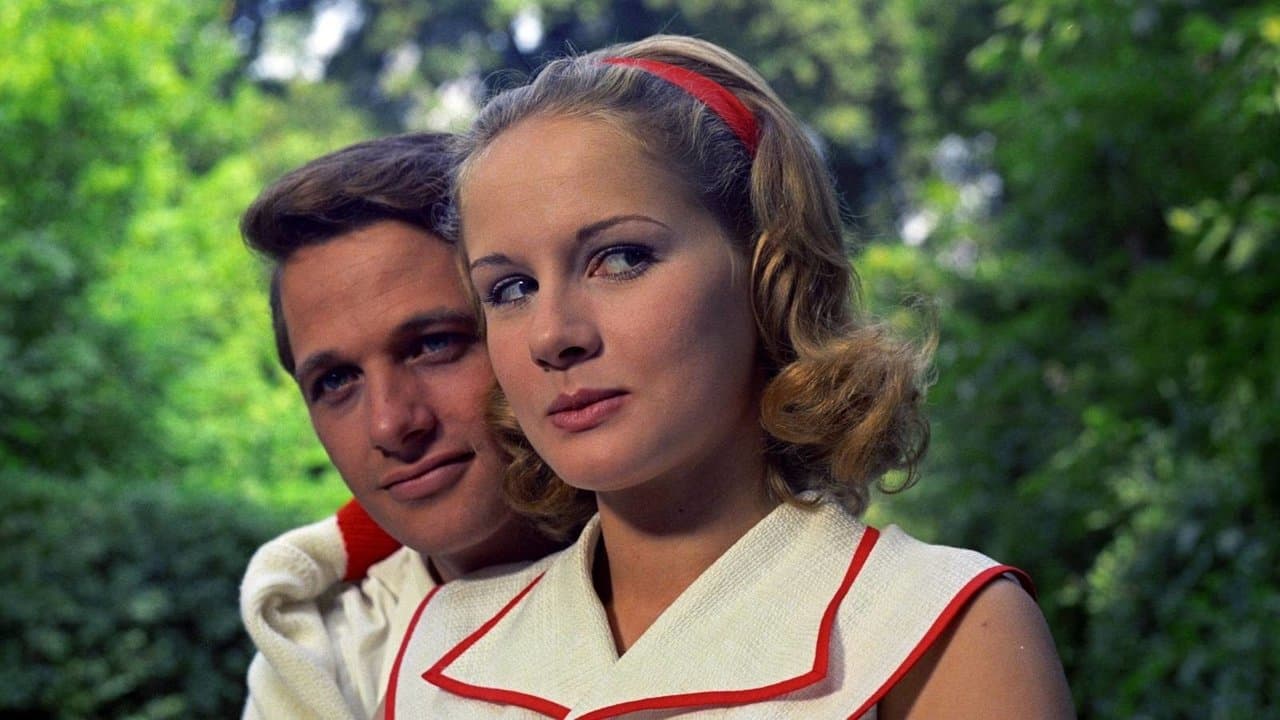
The Garden of the Finzi-Continis unfolds in 1930s Italy, where the title family occupies a rarefied social position in the city of Ferrara. They're wealthy, cultured, and seemingly insulated from the gathering darkness outside their villa walls. The film opens on a world of tennis matches, elegant garden parties, and the kind of casual privilege that assumes permanence. A young man from a less prominent Jewish family becomes drawn into their orbit, attending their gatherings, watching the Finzi-Continis move through their days with grace and apparent invulnerability. But this is a deceptive calm. As Fascism tightens its grip on Italy and anti-Semitic laws begin to take hold, the garden—that beautiful, protected space—becomes less a sanctuary and more a stage for watching people cling to a life that's already slipping away. The film doesn't rush toward catastrophe; it lets you sit in the tension between the surface elegance and the historical horror pressing in from the margins.
Behind the making of The Garden of the Finzi-Continis
Director Vittorio De Sica brought his considerable reputation to this 1970 adaptation of Giorgio Bassani's 1962 semi-autobiographical novel, working with screenwriters Ugo Pirro and Vittorio Bonicelli to translate Bassani's prose into visual language. De Sica—already a legend for Bicycle Thieves and his work in Italian neorealism—approached the material with a different sensibility here: less street-level immediacy, more the slow suffocation of a world collapsing from within. The cast included Lino Capolicchio in a lead role that anchored the narrative, Dominique Sanda bringing a luminous, tragic presence, and Helmut Berger as a member of the family. Fabio Testi appeared in what became his breakthrough role, marking the beginning of a significant career. The film was a co-production between Documento Film and CCC Filmkunst, pooling Italian and German resources for a story that demanded an international perspective. At 95 minutes, it moves with deliberate pacing—never rushed, always observant. The production design captures the villa and its gardens with almost archaeological precision, making the setting itself a character: beautiful, yes, but increasingly claustrophobic as history closes in.
What makes The Garden of the Finzi-Continis stand out
What's striking about De Sica's film is how it refuses easy sentiment. You won't find manipulative orchestral swells or characters spelling out their feelings for the camera. Instead, there's a kind of restrained observation—the way a glance lingers, the way someone doesn't speak at a dinner table, the way the camera holds on the garden gate. The performances anchor this restraint. Capolicchio carries the weight of witness without ever overplaying it; Sanda moves through scenes with an almost ethereal quality that makes her character's vulnerability cut deeper. The thing nobody mentions is how the film makes you complicit in the family's denial. You watch them play tennis. You watch them laugh. You want them to be okay, even as you know—because of history, because of the film's title and tagline—that they won't be. That's the real power here: not showing you the worst, but showing you people choosing not to see it until it's too late. Stylistically, De Sica favors long takes and natural lighting that gives the garden an almost dreamlike quality, as if the whole film exists in amber, preserved and doomed at once. The cinematography doesn't shout; it whispers. And that whisper is often more terrifying than a scream.
Where to stream The Garden of the Finzi-Continis online
The Garden of the Finzi-Continis is currently available on major OTT services, making De Sica's masterpiece accessible to anyone looking to explore one of cinema's most thoughtful engagements with the Holocaust and privilege. Movie OTT tracks current streaming availability across platforms, so you can see exactly where the film is playing right now in your region. Since streaming rights shift regularly, checking the Where to Watch widget at the top of this page will give you the most up-to-date information on which services are currently carrying the film. It's the kind of movie that benefits from a quiet evening and your full attention—not something to half-watch while scrolling, but worth finding the right platform and the right moment to sit with it.
Frequently asked questions
Q: Who directed The Garden of the Finzi-Continis?
Vittorio De Sica directed the film in 1970. De Sica was already a legendary figure in Italian cinema, known for Bicycle Thieves and his pioneering work in neorealism, bringing that same humanistic eye to this adaptation of Giorgio Bassani's novel.
Q: Is The Garden of the Finzi-Continis based on a true story?
The film is adapted from Giorgio Bassani's 1962 semi-autobiographical novel of the same name. While the Finzi-Continis are fictional characters, the historical context—Fascist Italy, the rise of anti-Semitism, and the Holocaust—is drawn from real events that Bassani himself witnessed and survived.
Q: What's the runtime of The Garden of the Finzi-Continis?
The film runs 95 minutes, a length that De Sica uses deliberately to create a sense of measured, almost meditative pacing rather than rushing toward its tragic conclusion.
Q: Who stars in The Garden of the Finzi-Continis?
The film features Lino Capolicchio, Dominique Sanda, Helmut Berger, Romolo Valli, and Fabio Testi in his breakthrough role. Each brings a distinct presence to the ensemble, though Capolicchio and Sanda carry much of the emotional weight.
Q: How is The Garden of the Finzi-Continis rated?
The film holds an IMDb rating of 6.935/10, reflecting strong critical appreciation among viewers who value its restrained approach and historical significance, though it's not a crowd-pleaser in the conventional sense.
Final thoughts on The Garden of the Finzi-Continis
The Garden of the Finzi-Continis isn't a comfortable watch. It's not meant to be. What De Sica has created is a film about the cost of beauty in the face of evil, about how privilege can blind you, about how a garden—no matter how perfect—can't protect you from history. It asks you to sit with people you come to care about and watch them fail to act until action becomes impossible. That's devastating. It's also exactly what cinema can do better than almost any other medium: let you inhabit someone else's moment of reckoning. If you're looking for a Holocaust film that doesn't rely on spectacle or explicit horror, that trusts you to understand the tragedy through implication and restraint, this is it. Don't expect catharsis. Expect something harder and more honest.