






The Story of The Man Who Saw Tomorrow
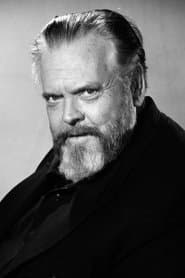
The Man Who Saw Tomorrow is a 1981 documentary-drama that dares to ask one of history's most persistent questions: Could a 16th-century French astrologer and physician named Michel de Notredame—better known as Nostradamus—actually see the future? Hosted and narrated by Orson Welles, the film weaves together dramatized reconstructions, archival news footage, period interviews, and stock imagery to examine whether Nostradamus's cryptic quatrains predicted some of history's most pivotal moments. The film doesn't shy away from the sensational: Did he foresee the fall of King Louis XVI? The rise of Napoleon? The assassination of President John F. Kennedy? Running just 90 minutes, The Man Who Saw Tomorrow doesn't pretend to offer scientific proof—but it's relentless in suggesting that maybe, just maybe, something eerie connects these prophecies to real events.
Behind the Making of The Man Who Saw Tomorrow
The Man Who Saw Tomorrow came together under the production banner of David L. Wolper Productions, a powerhouse documentarian outfit known for ambitious historical projects. Wolper's decision to cast Orson Welles as the film's narrator and host was inspired—Welles's voice carries gravitas, authority, and just enough theatrical flair to make the material feel urgent without tipping into camp. Released in 1981, the film arrived at a moment when New Age spirituality and interest in the paranormal were experiencing a cultural surge in North America, and audiences were primed to question conventional historical narratives. The film's construction is deliberately mixed-media: you'll see everything from oil paintings of Nostradamus himself to black-and-white newsreels of Kennedy's motorcade, to actors in period costume reenacting scenes from the astrologer's life. This patchwork approach—combining dramatization, documentary footage, and speculation—became the film's signature style. The runtime of 90 minutes keeps the pacing brisk, ensuring viewers don't get bogged down in scholarly minutiae. While The Man Who Saw Tomorrow didn't dominate the box office like a major studio release, it found its audience in theaters and later became a staple of home video and cable television throughout the 1980s and beyond. On IMDb, the film holds a respectable 7.0 rating, suggesting that audiences, then and now, find it entertaining even if they don't necessarily buy every claim.
What Makes The Man Who Saw Tomorrow Stand Out
What's striking about The Man Who Saw Tomorrow is how it manages to be both skeptical and credulous at the same time—a tightrope that works surprisingly well. Welles doesn't demand you believe; he invites you to wonder. The film presents historical parallels without conclusively proving causation, which is exactly how real prophecy-hunting works in the wild. You'll see a quatrain translated into English, then watch a dramatized scene of the predicted event, then hear an expert (or someone claiming expertise) explain the connection. The editing creates a kind of momentum, a sense that patterns are emerging—but the film never quite lets you settle into certainty. That's the hook. I keep coming back to how the last quarter of the film shifts its gaze toward the future—specifically, what Nostradamus supposedly predicted for the 1980s, 1990s, and beyond. In 1981, that was genuinely unsettling. We were still in the Cold War. Nuclear anxiety was real. The idea that a man dead for 400 years had already written our fate? It's the kind of thing that stays with you leaving the theater. The production design and archival selection feel meticulous; nothing is offered which conclusively proves Nostradamus's accuracy, yet the filmmakers clearly understand how to construct a compelling narrative. Welles's narration is the glue holding it all together—his cadence, his knowing pauses, his refusal to wink at the camera. He treats the material seriously, which makes the entire enterprise feel weightier than it might otherwise.
Where to Stream The Man Who Saw Tomorrow Online
The Man Who Saw Tomorrow is available on major OTT services, and Movie OTT tracks exactly which platforms currently carry it in your region. Because licensing agreements shift—especially for older documentaries—checking the "Where to Watch" widget at the top of this page will show you the most up-to-date availability. The film's 90-minute runtime makes it perfect for a weekend evening, and its mix of historical intrigue and speculative thinking holds up remarkably well on a modern screen. Whether you're a Nostradamus enthusiast, a fan of Orson Welles, or simply curious about 1980s-era documentary filmmaking, the streaming options make it easier than ever to see what all the fuss was about without hunting through dusty VHS collections.
Frequently asked questions
Q: Who narrates and hosts The Man Who Saw Tomorrow?
Orson Welles provides both the narration and hosts segments throughout the film, lending his distinctive voice and presence to the exploration of Nostradamus's prophecies.
Q: Does The Man Who Saw Tomorrow prove that Nostradamus was accurate?
No—the film presents parallels between Nostradamus's quatrains and historical events, but it doesn't claim to offer scientific proof. It invites viewers to draw their own conclusions.
Q: What historical events does The Man Who Saw Tomorrow connect to Nostradamus?
The film explores supposed predictions including the fall of King Louis XVI, the rise of Napoleon, and the assassination of President John F. Kennedy, among others.
Q: How long is The Man Who Saw Tomorrow?
The film runs 90 minutes, making it a brisk documentary that moves quickly through its material without excessive exposition.
Q: When was The Man Who Saw Tomorrow released?
The film was released in 1981 by David L. Wolper Productions, arriving during a cultural moment of renewed interest in the paranormal and alternative history.
Final Thoughts on The Man Who Saw Tomorrow
The Man Who Saw Tomorrow works best if you approach it as a thought experiment rather than a historical argument. It's a product of its time—the 1980s fascination with prophecy, the Cold War anxiety, the pre-internet hunger for mysteries that couldn't be instantly debunked online. Welles brings class to the proceedings. The filmmaking is competent and occasionally clever. It won't convince skeptics, but it'll give believers plenty to discuss. Whether you're returning to it for nostalgia or discovering it for the first time, The Man Who Saw Tomorrow remains a curious artifact—one that asks us to wonder if the future was written centuries ago, or if we're just very good at finding patterns in the dark.